
In May we travelled to the countries along the coast of the Adriatic Sea. It was a great trip. We were in 6 European countries, four of which were new for Paula and three of which were new for John. We made a total of eleven (11) border crossings, so the passports got a lot of use.
On Day 1 we arrived in Dubrovnik, Croatia and spent our first three days there and in the surrounding area. Dubrovnik is on the Adriatic Sea, with an Old City surrounded by walls begun in the 10th Century. Croatia is one of several countries we visited on the Balkan Peninsula, all of which were part of the former Yugoslavia that broke up around 1990. They were at war with each other in various combinations over the next five years due to nationalism and ethnic rivalries. This, along with thousands of years of history as part of many different empires ranging from Greece, Rome, Venice, Ottoman Turkish, Austro-Hungarian, Soviet Union and others meant lots of history to learn about, both old and recent.

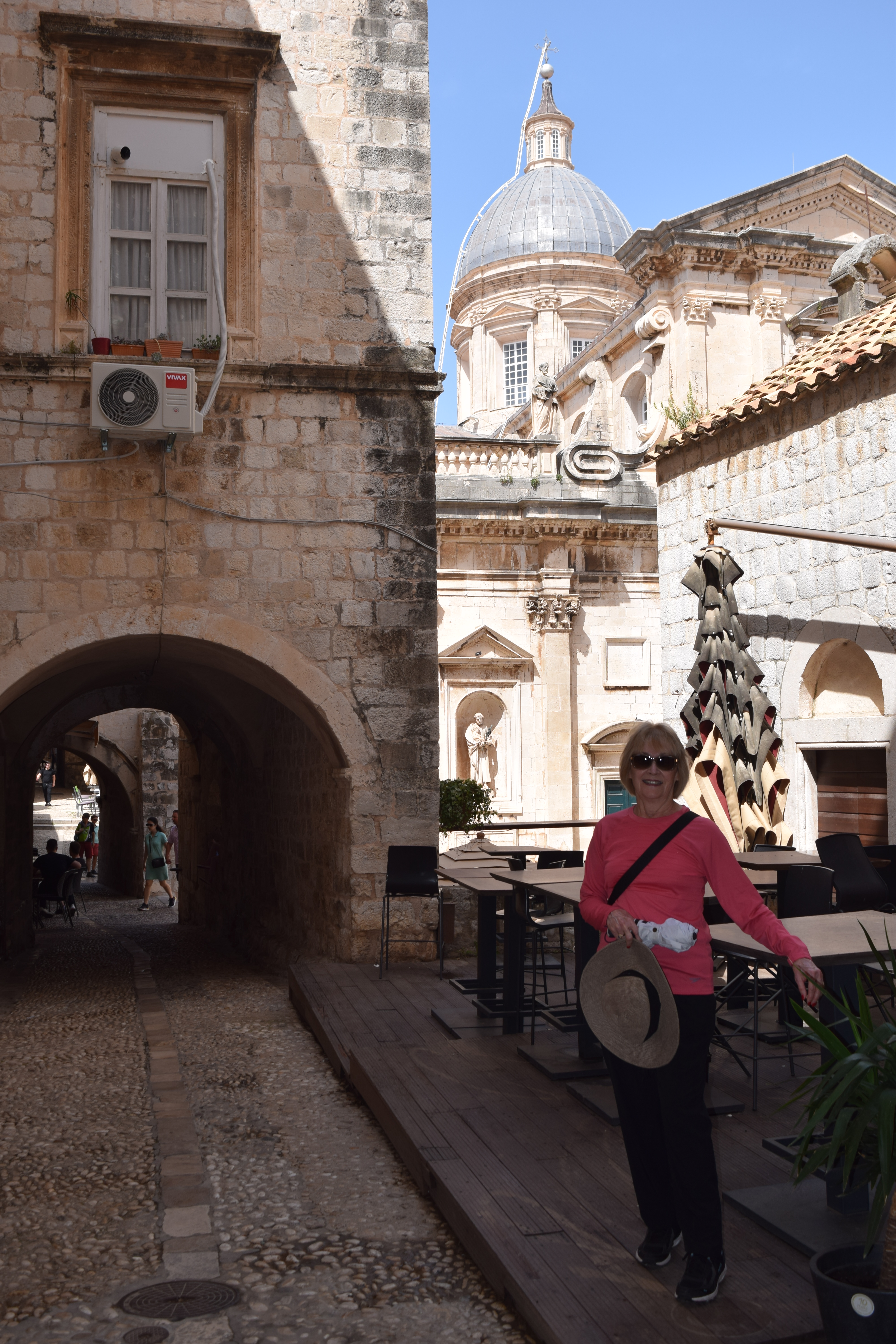

On Day 4 we travelled from Dubrovnik, Croatia to Montenegro, which is only 25 miles away. In the early 1990’s the countries were at war and Montenegro, along with Serbia, was bombarding and blockading Dubrovnik. Things have calmed down since then and the city of Kotar in Montenegro was beautiful.
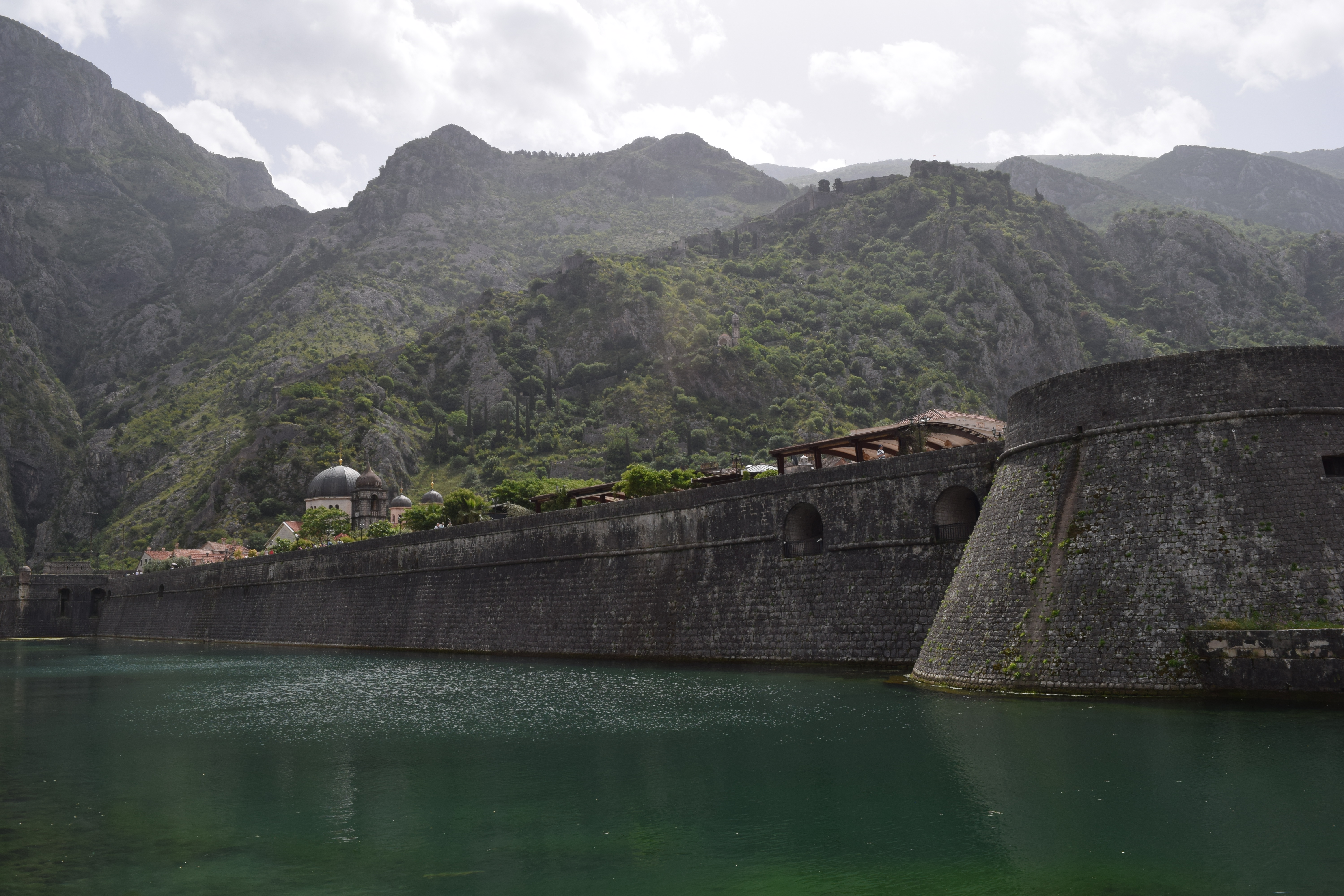

On Day 5 we travelled into Bosnia and Herzegovina, a majority Muslim country with many Ottoman influences. We visited the city of Mostar which still has many heavily damaged buildings and tragic memories from the war with Serbia in the 1990’s.

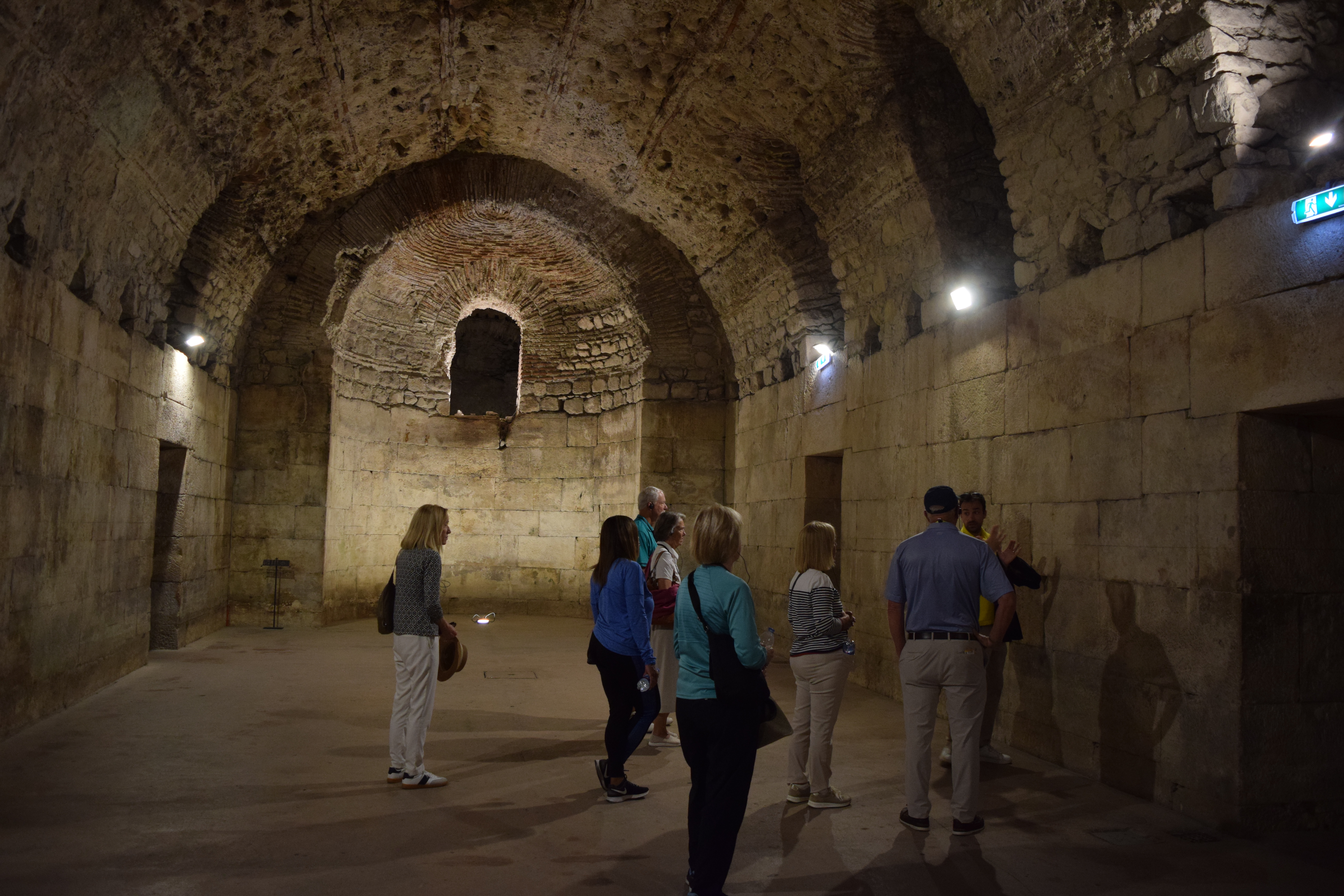
On Day 6 we were back on the Adriatic coast in Split, which was where Roman emperor Diocletian built his retirement palace with the help of 6000 Egyptian slaves in 300 AD. It is the most well-preserved Roman structure we have ever seen.

On Day 7 we went to the Croatian national park Krka, had dinner in Roca at the House of Dalmatian Smoked Ham and then flew to Zagreb in the evening. On Day 8 we toured Zagreb, the capital of Croatia and had a meeting with the former Minister of Tourism of Croatia to learn about her experiences during the Communist years and how she helped restore tourism after the war in the 1990’s.

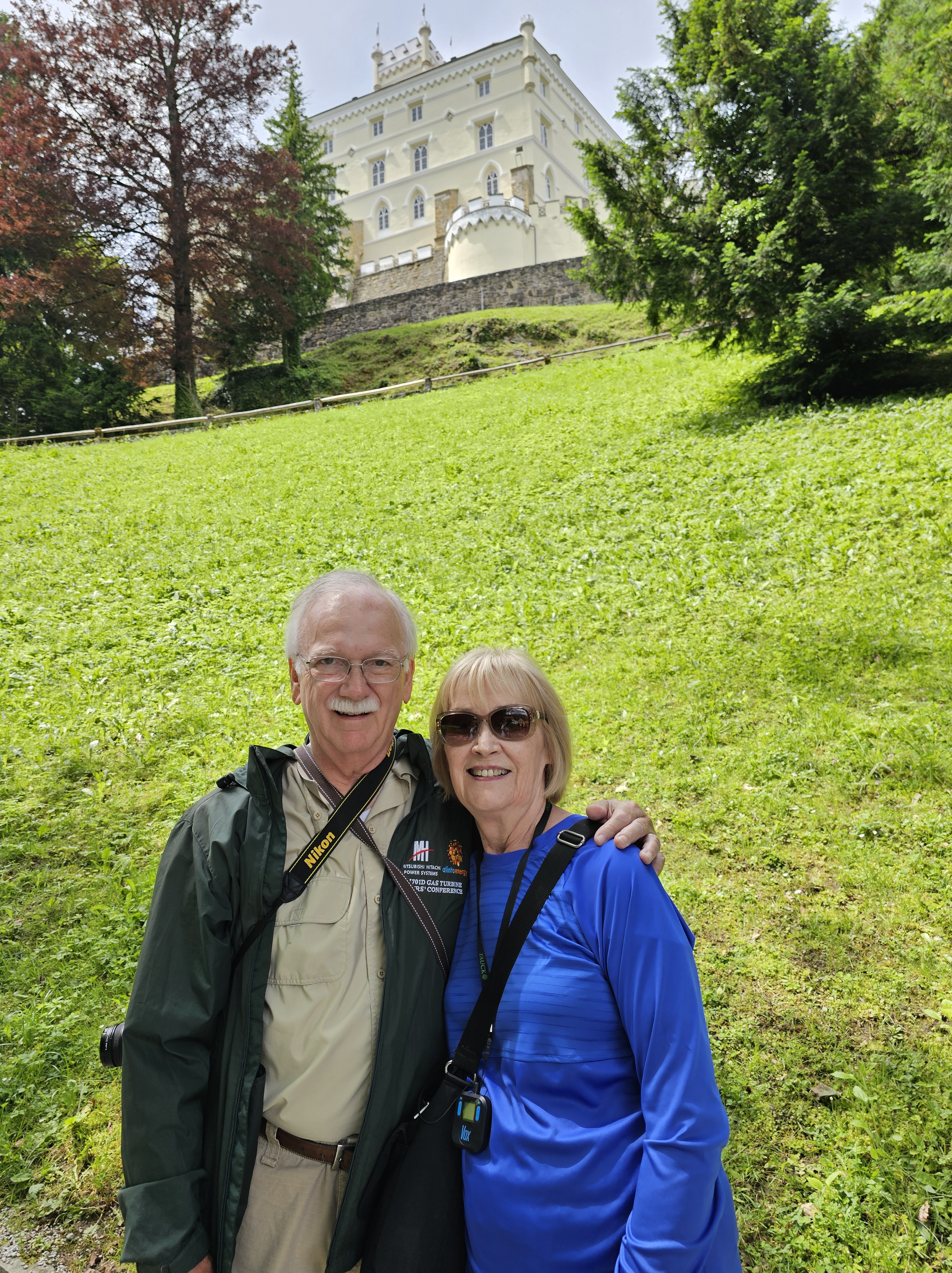
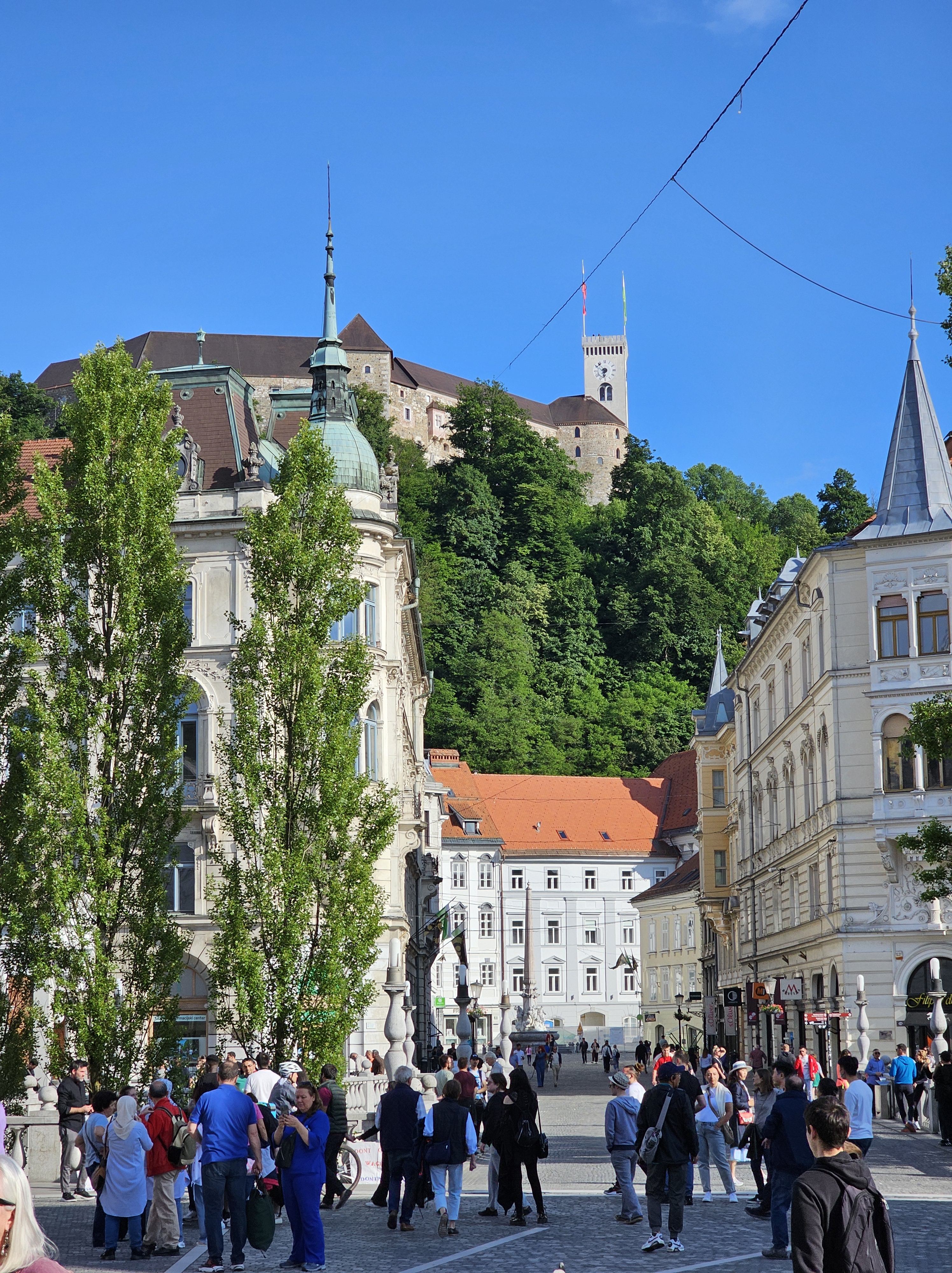
On Day 9 we visited Trakoscan Castle, one of the best preserved castles in Europe, and travelled across the border to Ljublana, the capital of Slovenia. John was last in Ljubljana in 1978 on a business trip. It has changed a lot from the Communist times….. On Day 10 we toured Ljubljana and drove to the nearby Slovenian Alps for lunch, a gingerbread demonstration in Radovljica and a visit to nearby Bled Castle.

On Day 11 we left Ljubljana and toured the spectacular Postojna Caves. After that we went to the family-run Prodan truffle farm to learn all about truffles, meet the truffle-hunting dogs and have a truffle-laden lunch


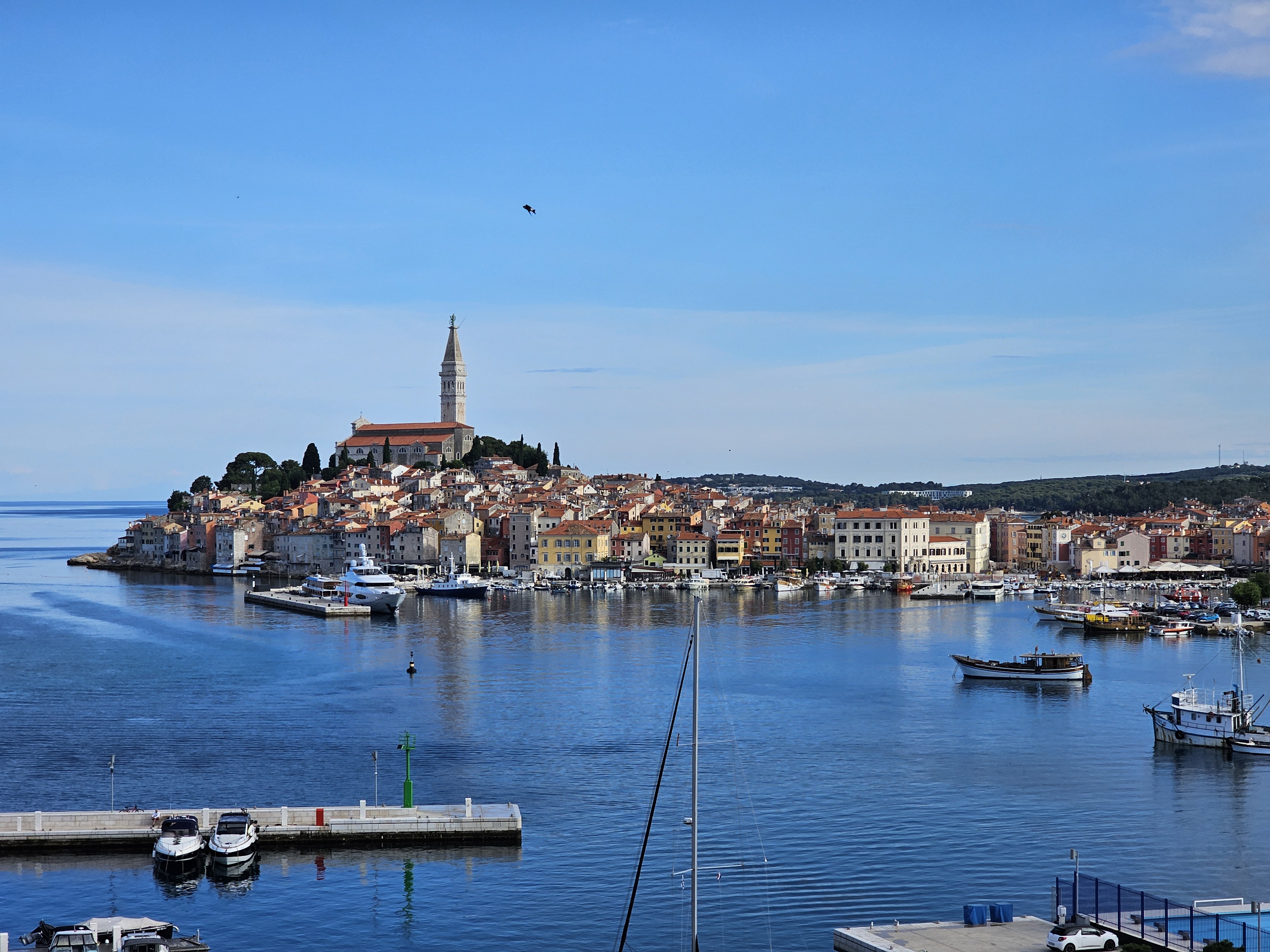
That evening we arrived in the lovely seaside town of Rovinj to spend the next two nights.
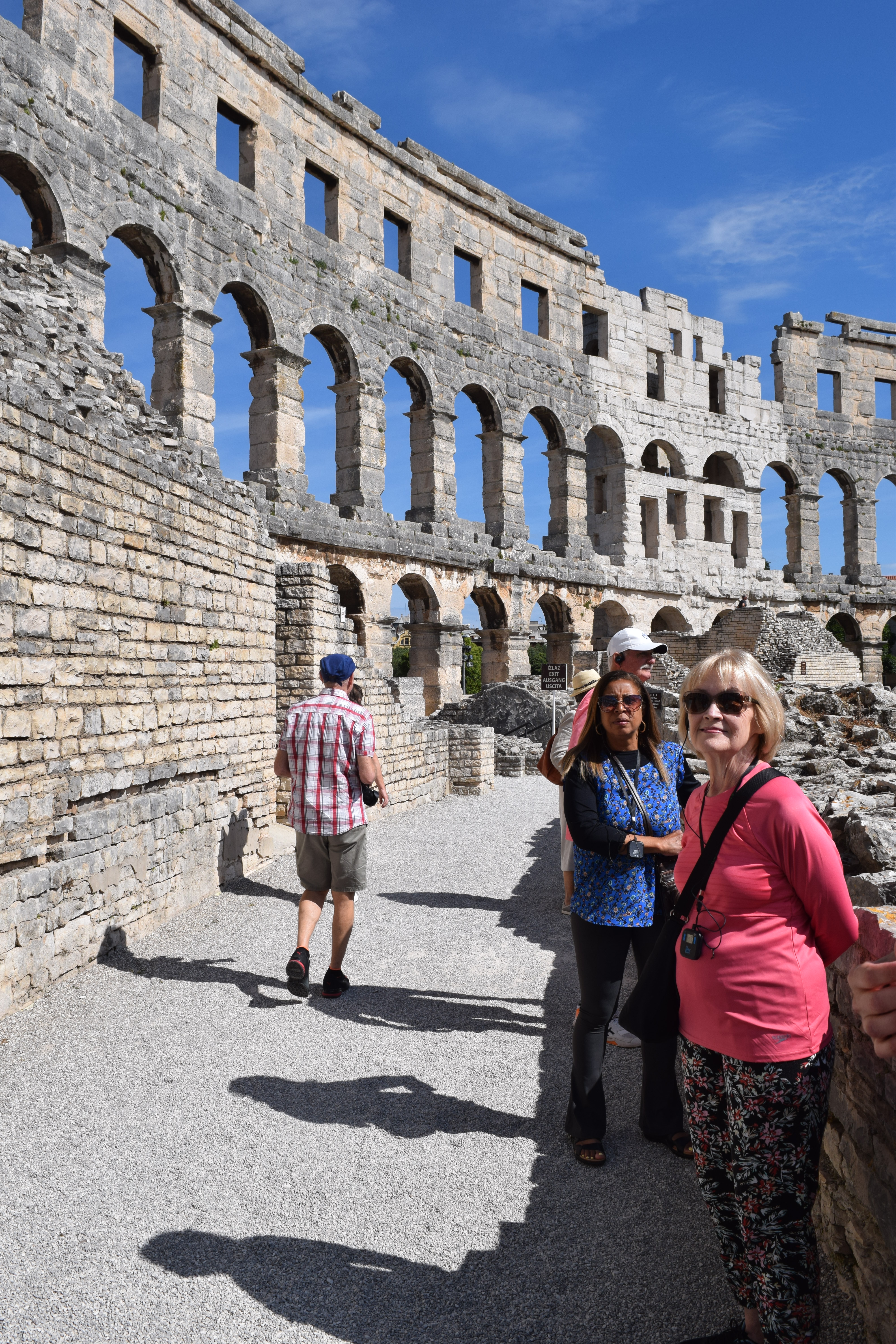
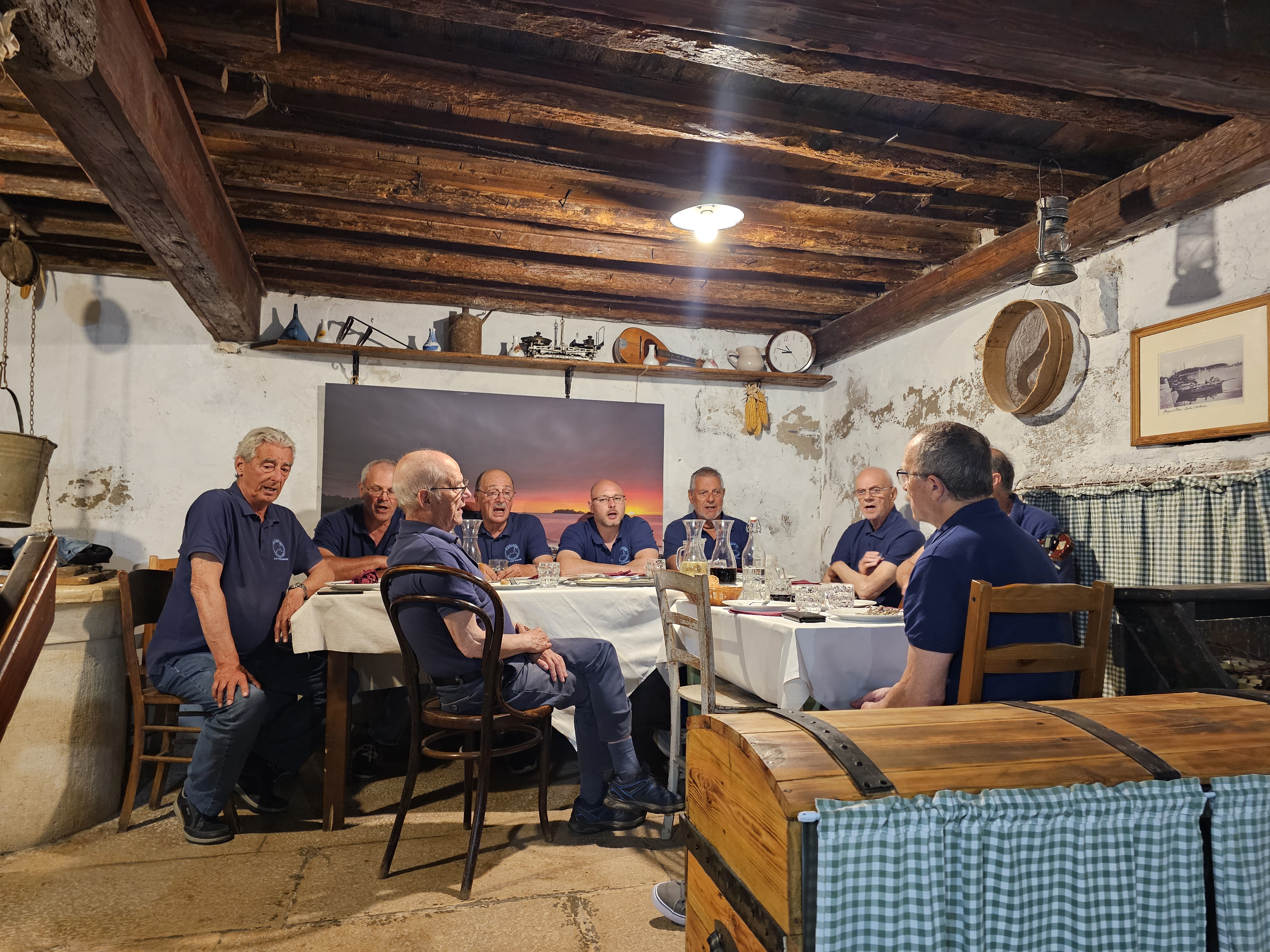
On Day 12 we toured the well-preserved 2000 year old Pula amphitheater which was the prototype for the Coliseum in Rome. Dinner was at an old fisherman’s tavern in the old town of Rovinj.
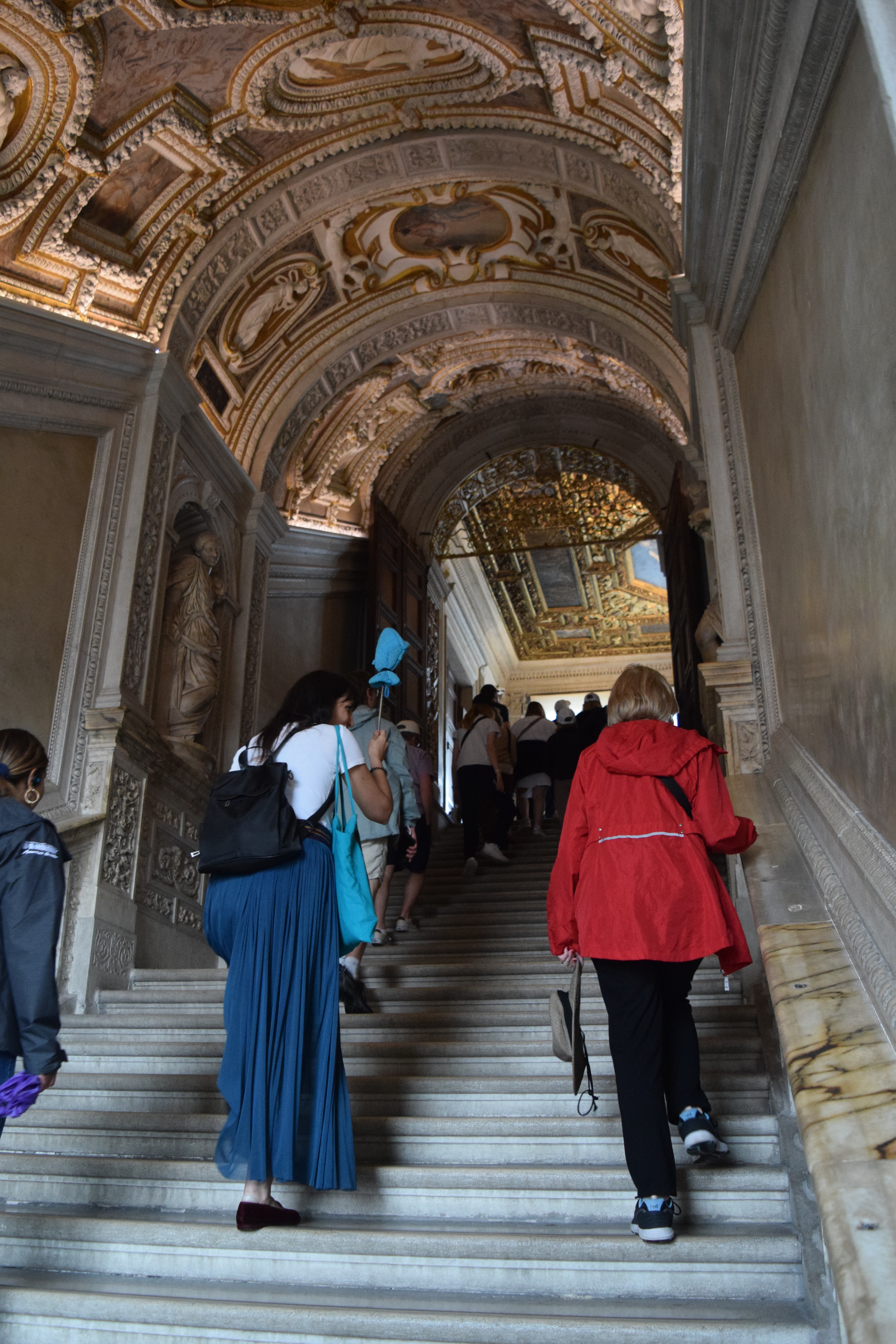
On Day 13 we entered Italy from Croatia and arrived in Venice. Venice was a relatively independent Christian republic for 1000 years from the 8th to the 18th Centuries, nominally connected for most of that time to the Byzantine Empire in Constantinople (Istanbul) after the fall of the Roman Empire. We visited the Doge’s Palace and, as recommended, got lost walking around the city. The old part of Venice basically has no surface roads and transportation is all by boat or by walking. It is built on 118 islands in the lagoon and has 400 bridges. We stayed in the Hotel Metropole, a building dating from about 1300 which has been a hotel for over 500 years. It was also the location of Antonio Vivaldi’s oratorio where he taught music and wrote many of his masterpieces in the early 1600’s.

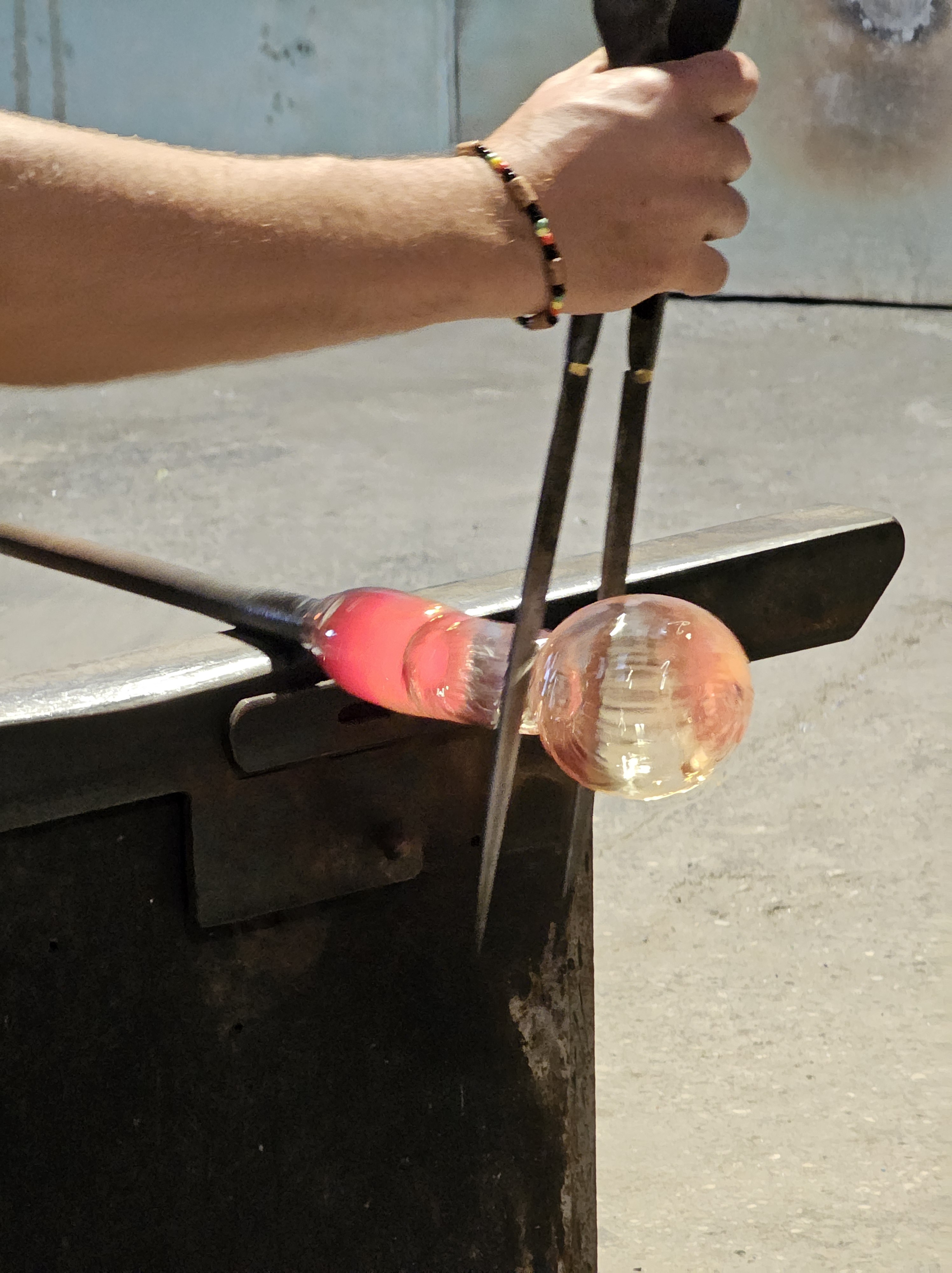
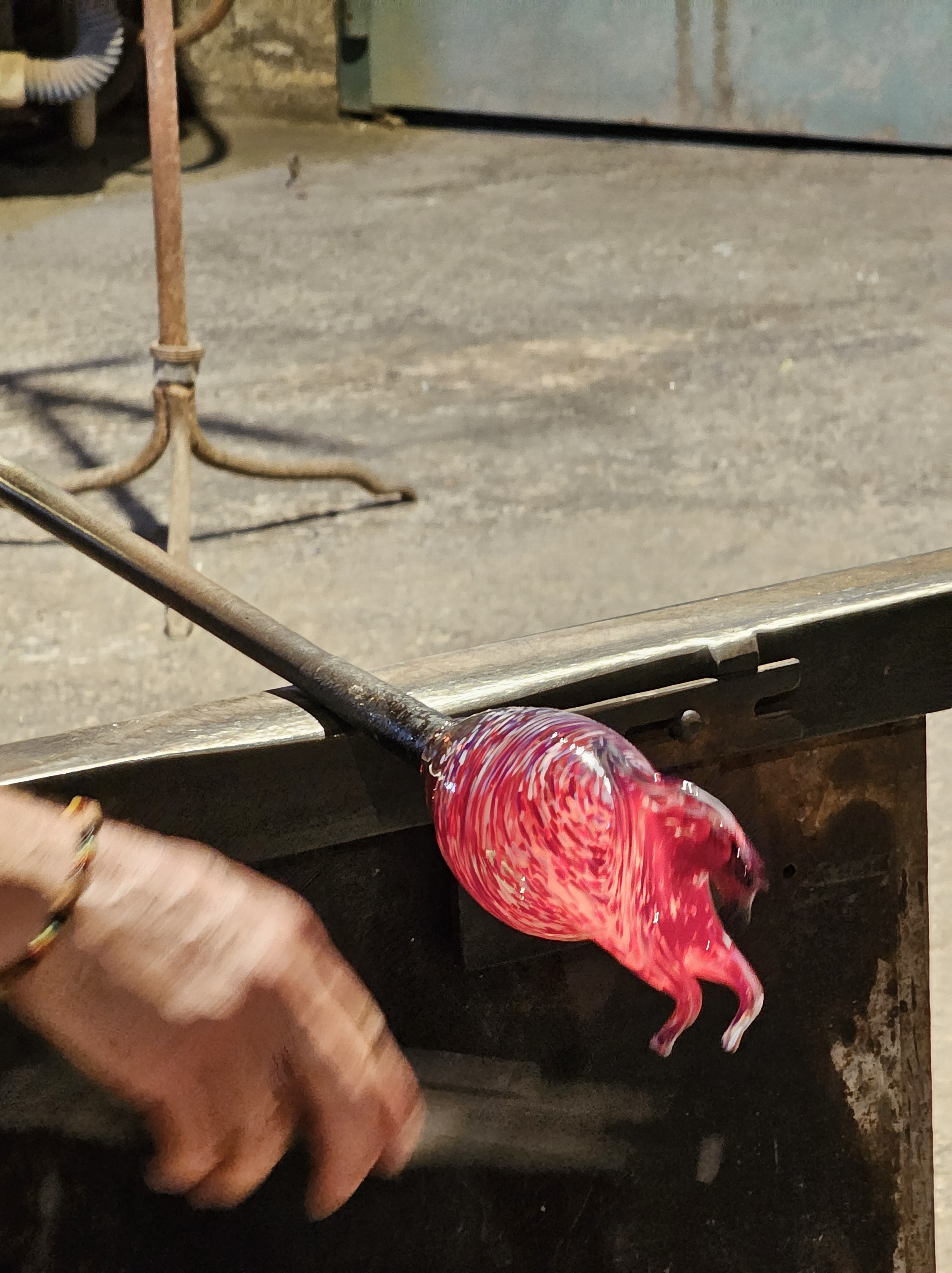
The next day we travelled by water taxi to two nearby islands. Murano is the center of the famous Venetian glass-making industry, moved there at the Doge’s order in 1291 to get the furnaces away from the mostly wooden buildings on the main islands. We had an amazing demonstration of the glass-making process and saw some spectacular glass products. The second island was Burano, center of the Venetian lace-making industry. Both were less crowded with tourists than the central islands.

 John and Paula's Blog