
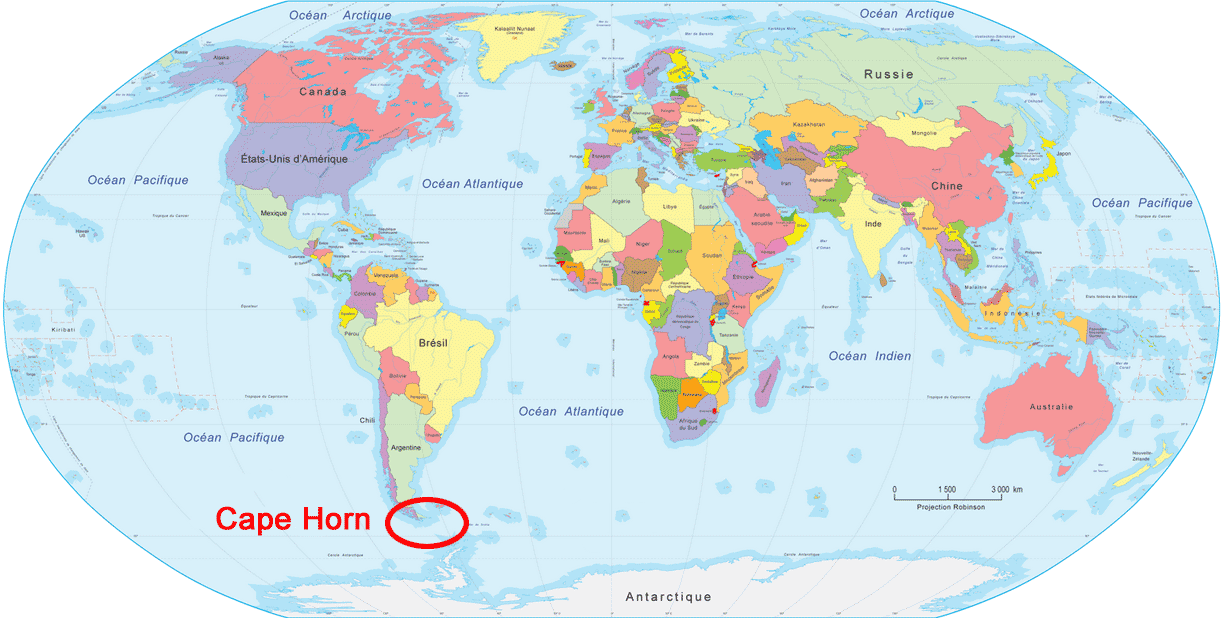
On this expedition we headed with our friends Peg and Roger to Ushuaia on Tierra del Fuego in Patagonia, known as the “Uttermost Part of the Earth”. Ushuaia is the southernmost city in the world, with the next stop going south beyond nearby Cape Horn being Antarctica.
On Day 1 we flew 5000 miles from Orlando to Buenos Aires, Argentina. We had been there twice before in 2012 for a Conference, but this time we stayed in the very nice neighborhood of Palermo which we highly recommend. We took a Palermo Food Tour which covered five restaurants and a wonderful range of Argentinian foods. Soccer is a big deal here and we didn’t see a TV that didn’t have a soccer game playing on it. As it turned out, the steak restaurant on the food tour was that of the mother of Maradona, the famous Argentinian soccer player who was a coach of Messi!


On Day 2 we flew another 1500 miles south from Buenos Aires to Ushuaia at the very southern tip of South America. Our hotel was directly on the Beagle Channel, of Charles Darwin fame, and it was sunny and 63 degrees F. The locals are saying this is the best day of the summer so far! But the surrounding mountains have a lot of snow on them!
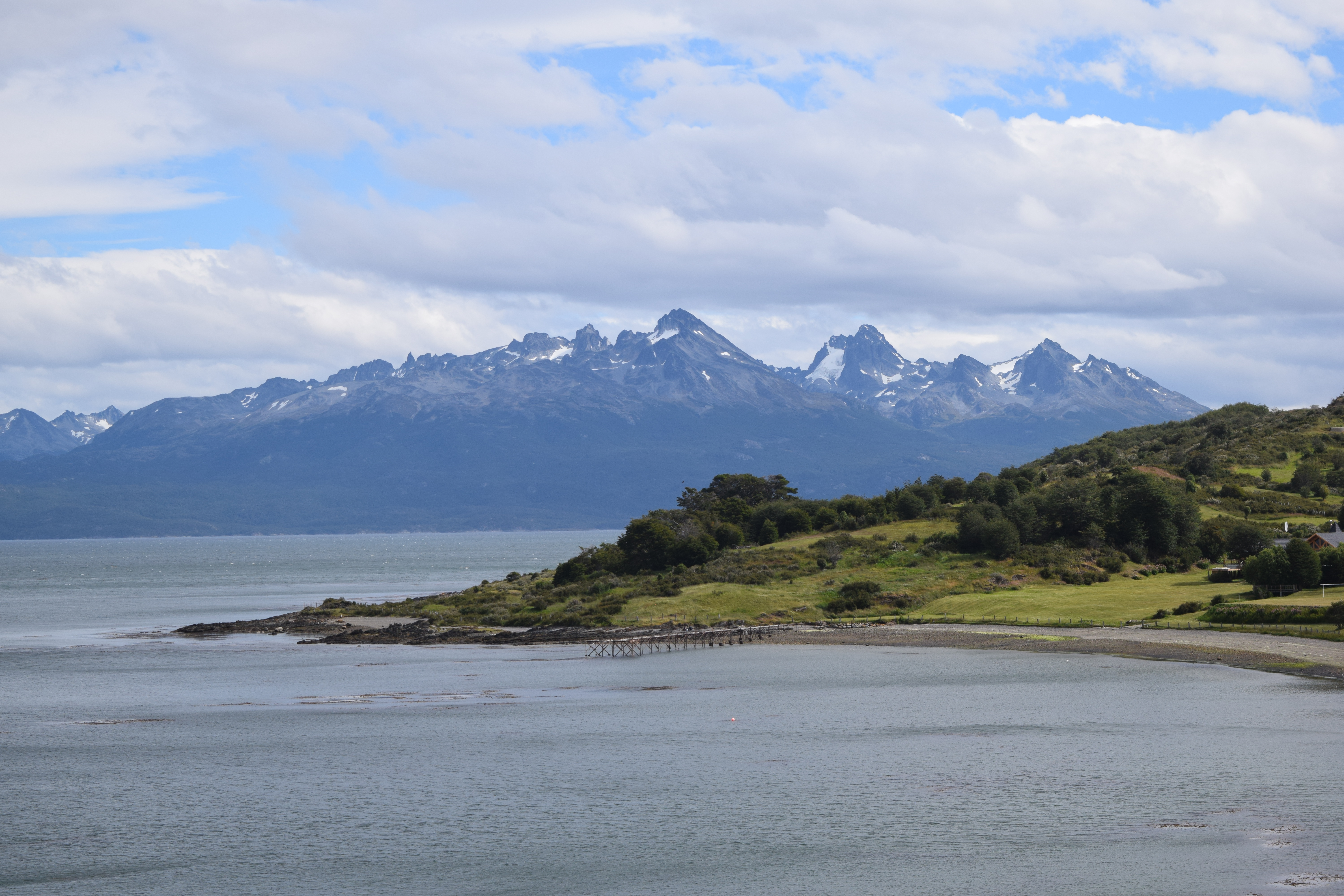
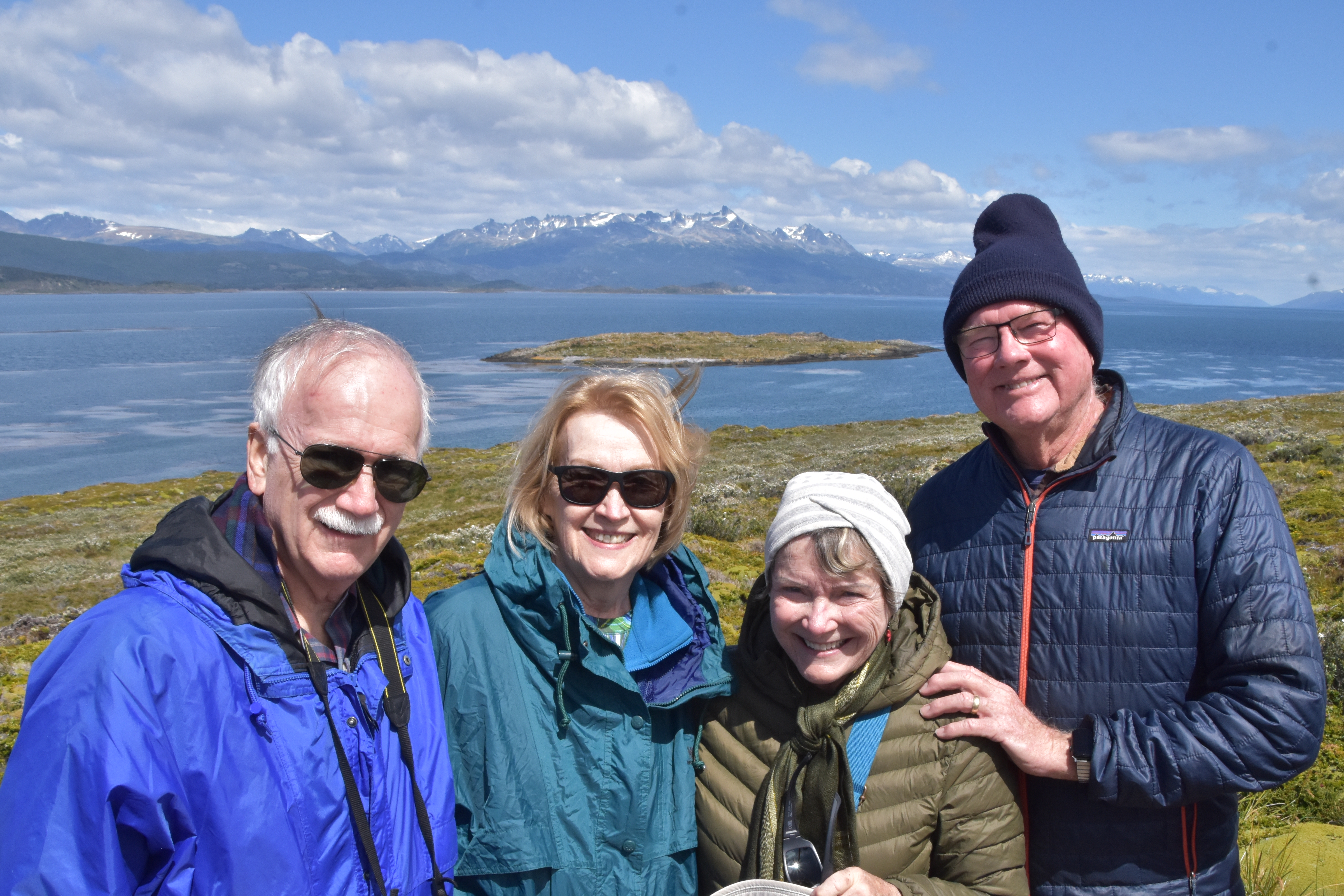
On Day 3 we went on a motorboat cruise of the Beagle Channel, heading east towards the Atlantic. The HMS Beagle made three visits to map the area in the 19th Century. Hence the name Beagle Channel. Charles Darwin was the naturalist on the third voyage, which took 5 years and provided much of the information for his later development of his theory of evolution. Ushuaia is in the center of the channel, about 90 km east to the Atlantic and 90 km west to the Pacific. The channel was formed by a glacier at the southern end of the Andes mountain chain. East from Ushuaia is the Faro Les Eclaireurs, known to the Argentines as the Lighthouse at the End of the World. It is on a rock that was heavily populated with imperial cormorants at one end and a harem of sea lions at the other end. We got off the boat to hike to the top of the highest mountain on Bridges Island, which was named for the Anglican missionary family that arrived in the 1870’s to minister to the local indigenous tribes. John is reading the book “Uttermost Part of the Earth” authored by E. Lucas Bridges of that family. He is son of the missionary Thomas Bridges and is known as the “third white native of Ushuaia”.
On Day 4 we were still near Ushuaia and went trekking in Argentina’s Tierra del Fuego National Park. Late in the day we boarded our expedition ship Ventus Australis and set sail for the Patagonian Fjords and Chile, the country where we spent the balance of our stay.
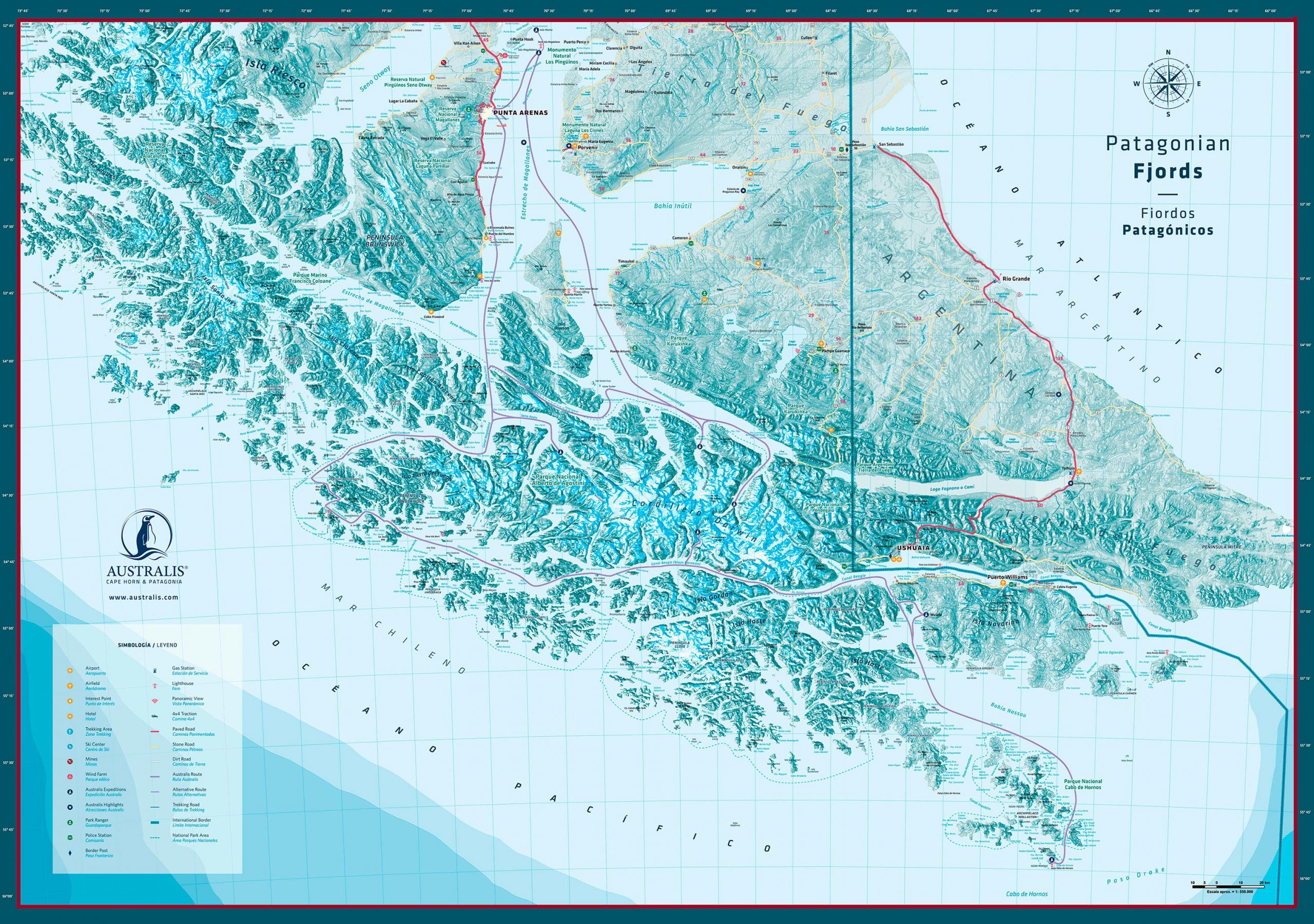
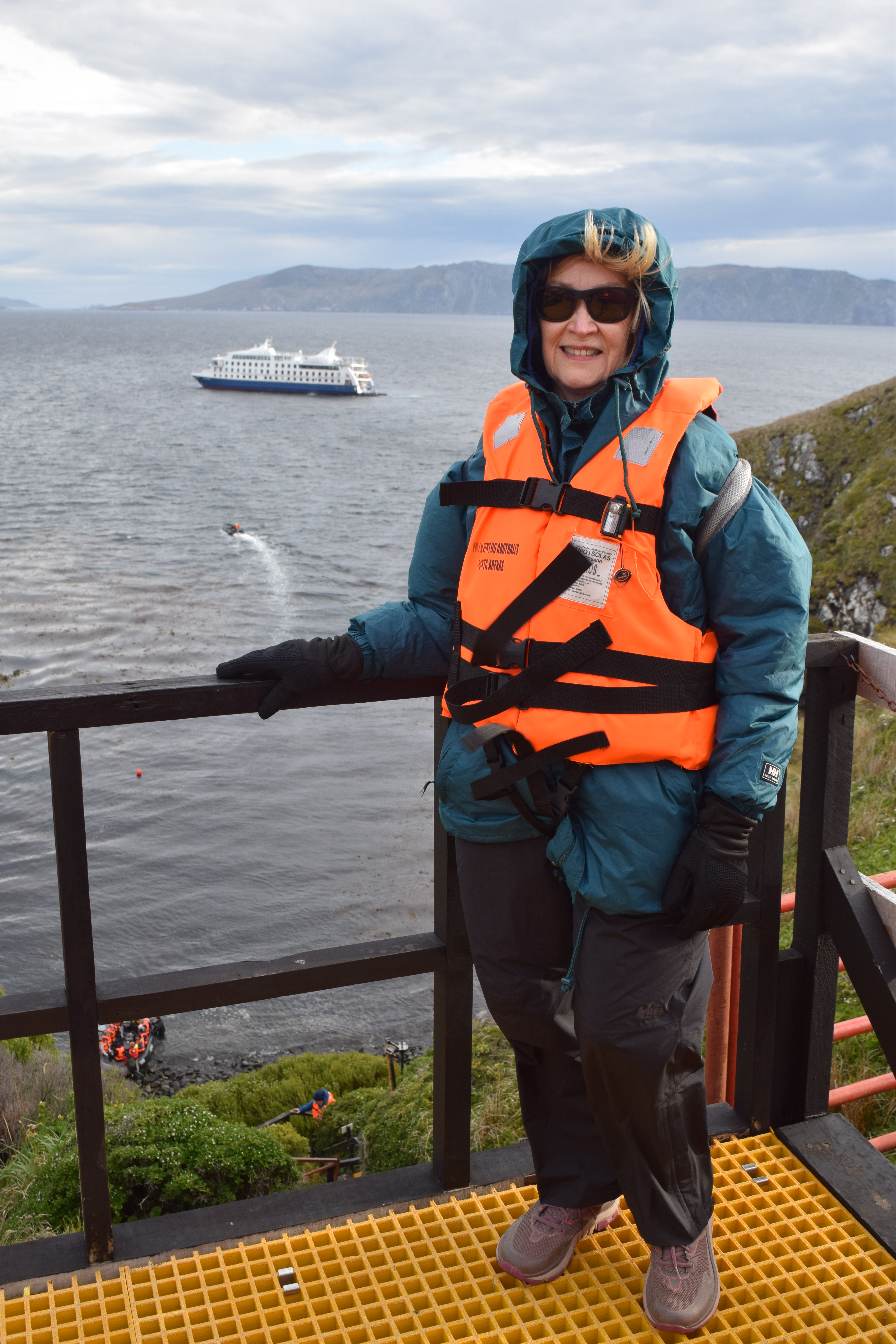
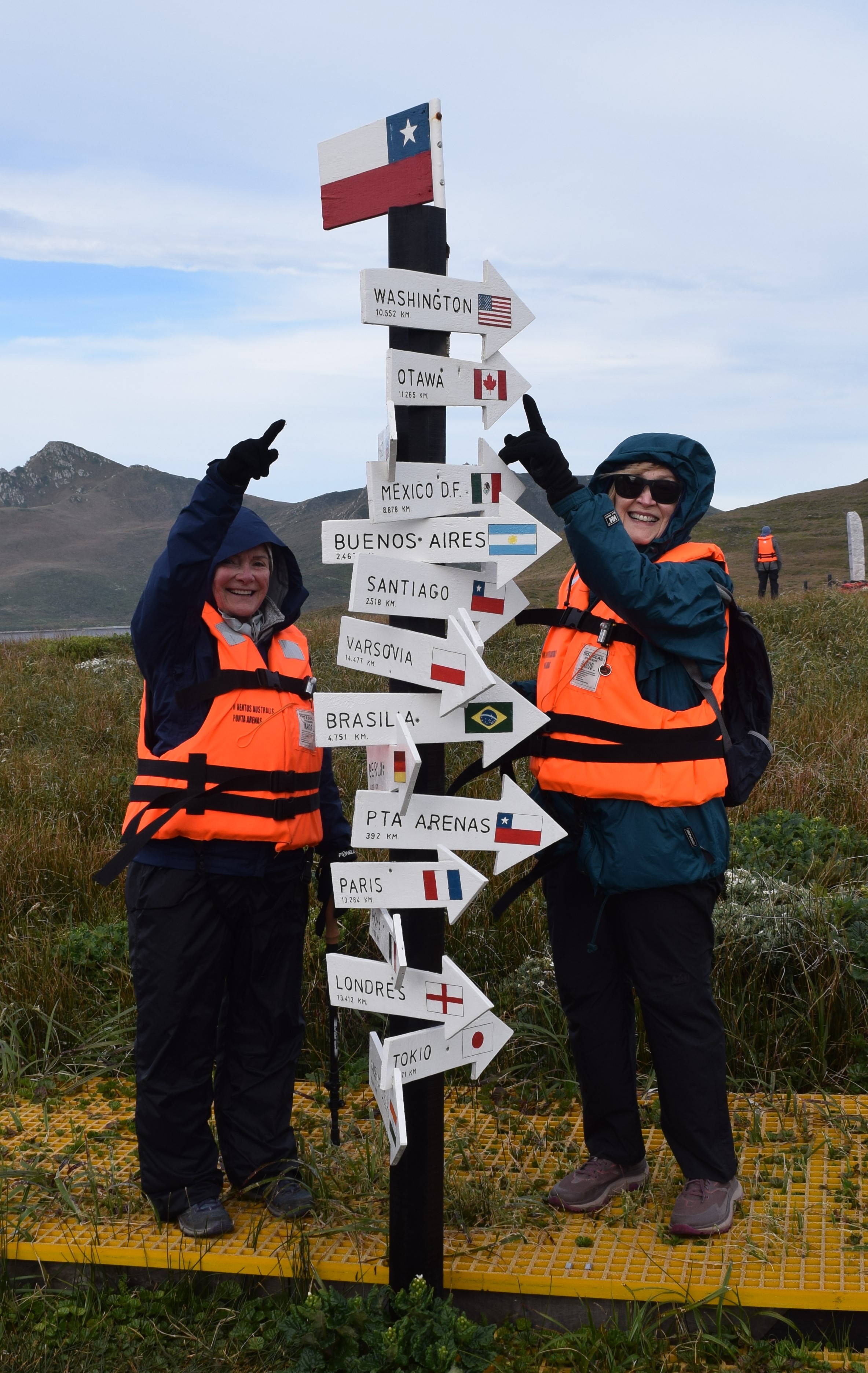
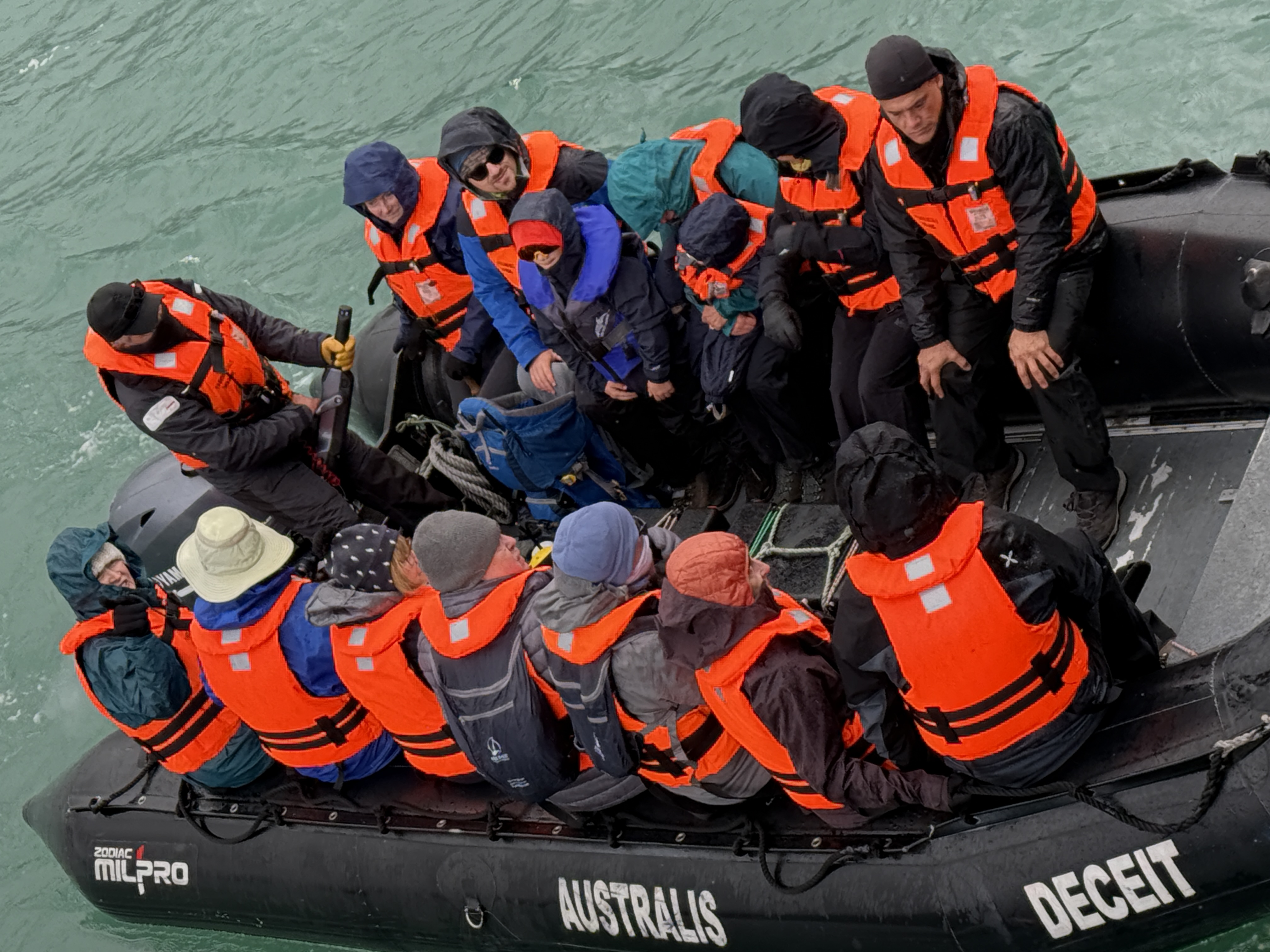
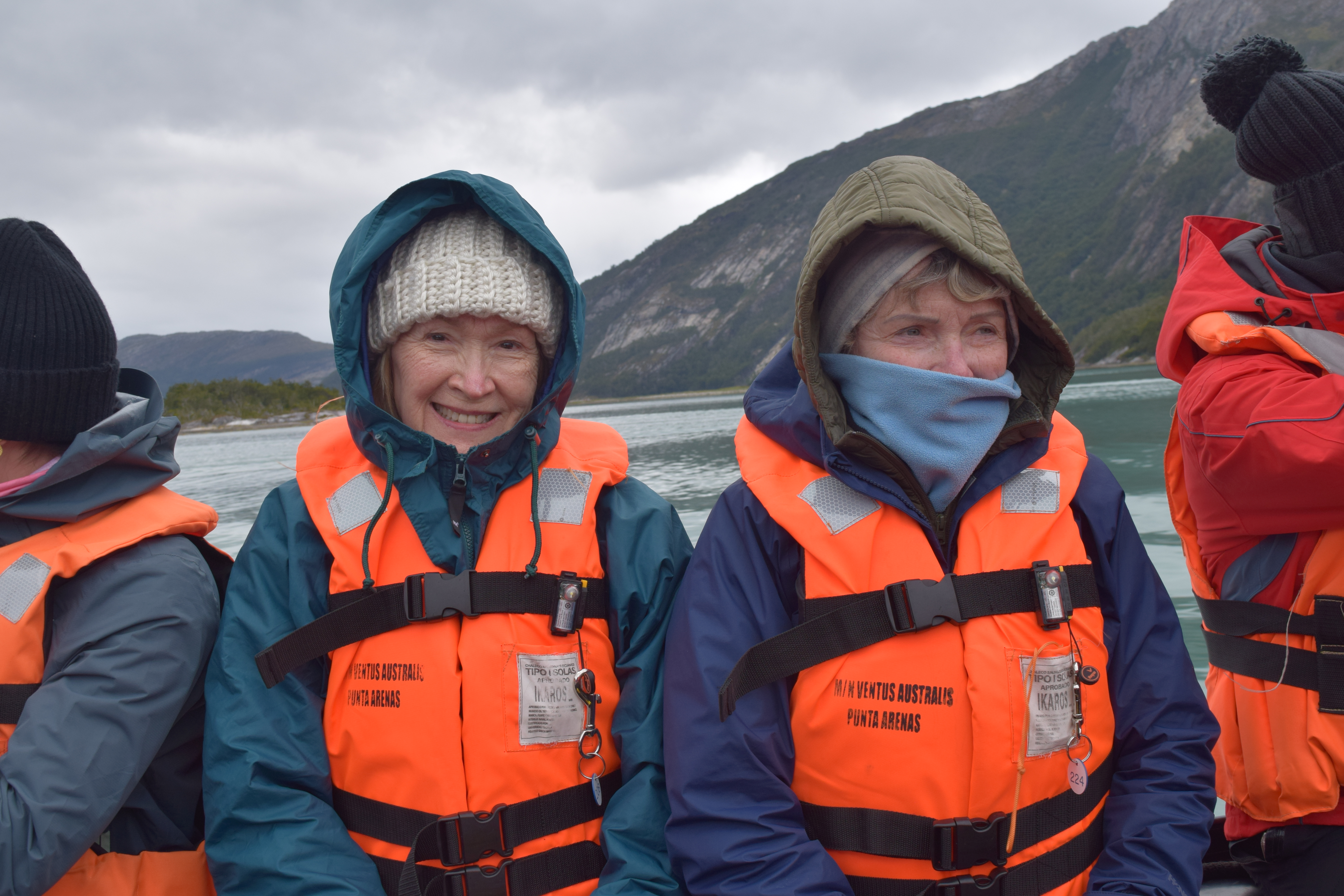
Bright and early on Day 5 (6:45 AM) we boarded zodiacs to do a semi-dry landing on Hornos Island at the tip of Cape Horn, the last land before Antarctica . We have heard various claims of the number of ships that have sunk trying to round Cape Horn since it was discovered by the Dutch in 1616 which range from 700 to 4000 ships. It was early because the captain said conditions for landing were going to be favorable early but deteriorate later. One of the criteria for favorable landing conditions was wind gusts less than 45 MPH! We
were told that our visit was on an unusually nice day. In the afternoon we hiked at Wulaia Bay.
Australis


On the evening of Day 5, we were at the ship’s bar when the water got rough and the ship assumed a continuous angle about 20 degrees off horizontal. That was a bit of a concern until the bartenders assured us it was no problem…saying it was normal. But their credibility came into question a few minutes later when all of the wine glasses slid out of their restraining rails and crashed to the floor causing a need to close the bar. We were told the next morning that we had been crossing an open, exposed area as we re-entered the Beagle Channel where the wind was 80 knots onto our port side.
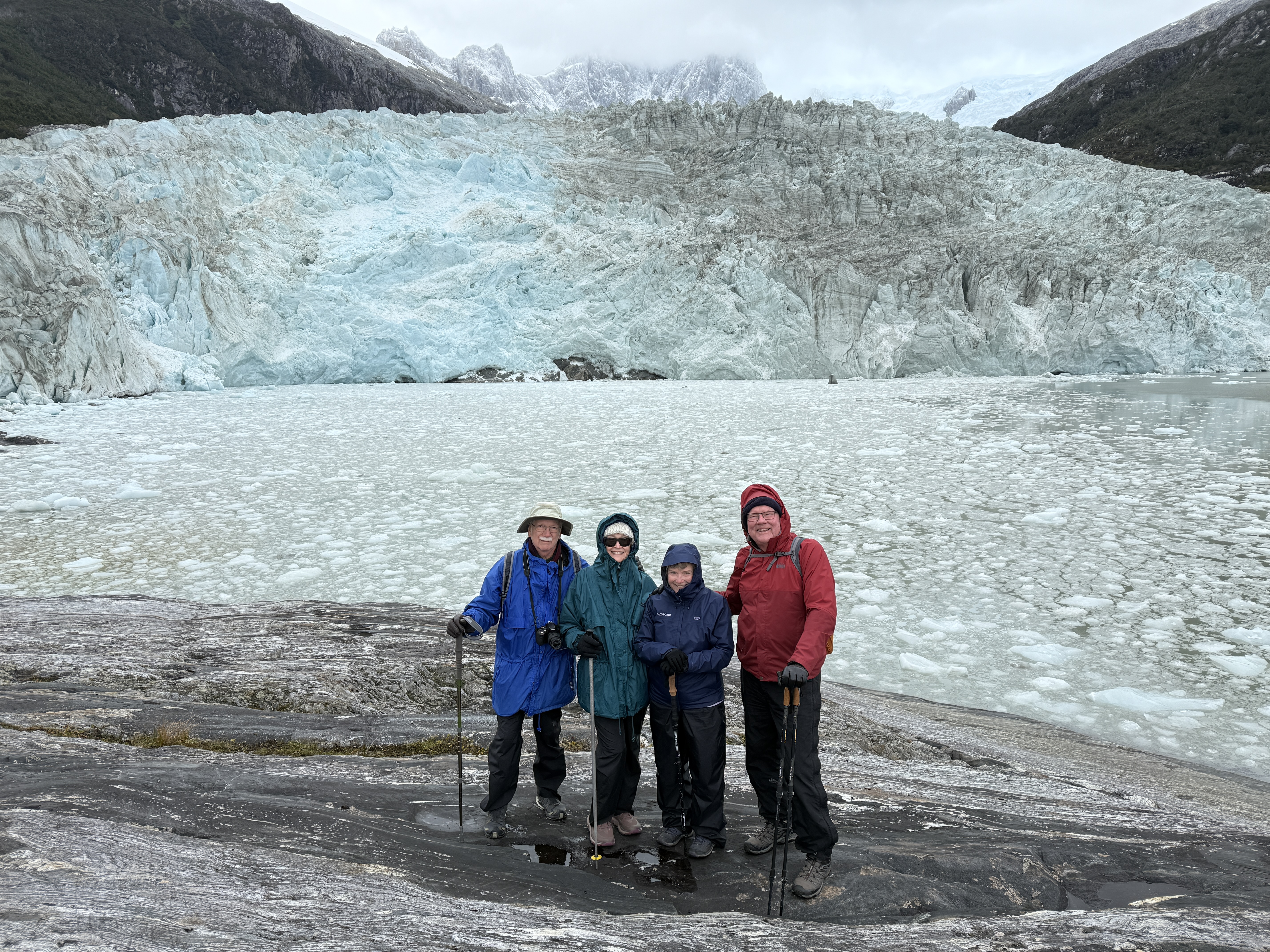
By morning things had calmed down and we visited a total of four glaciers over the next two days. We hiked to the bases of two of them, and stayed on the zodiacs which took us to the bases of the other two. We got some good video footage of a couple dramatic “calving” events when the glacier created loud cracking sounds, large portions broke off, and crashed into the water in front of us! For the largest of them the zodiac driver had to quickly
reverse to take us away from the large waves which resulted. That reminded us what they told us at the beginning: “This is an expedition not a tour.”

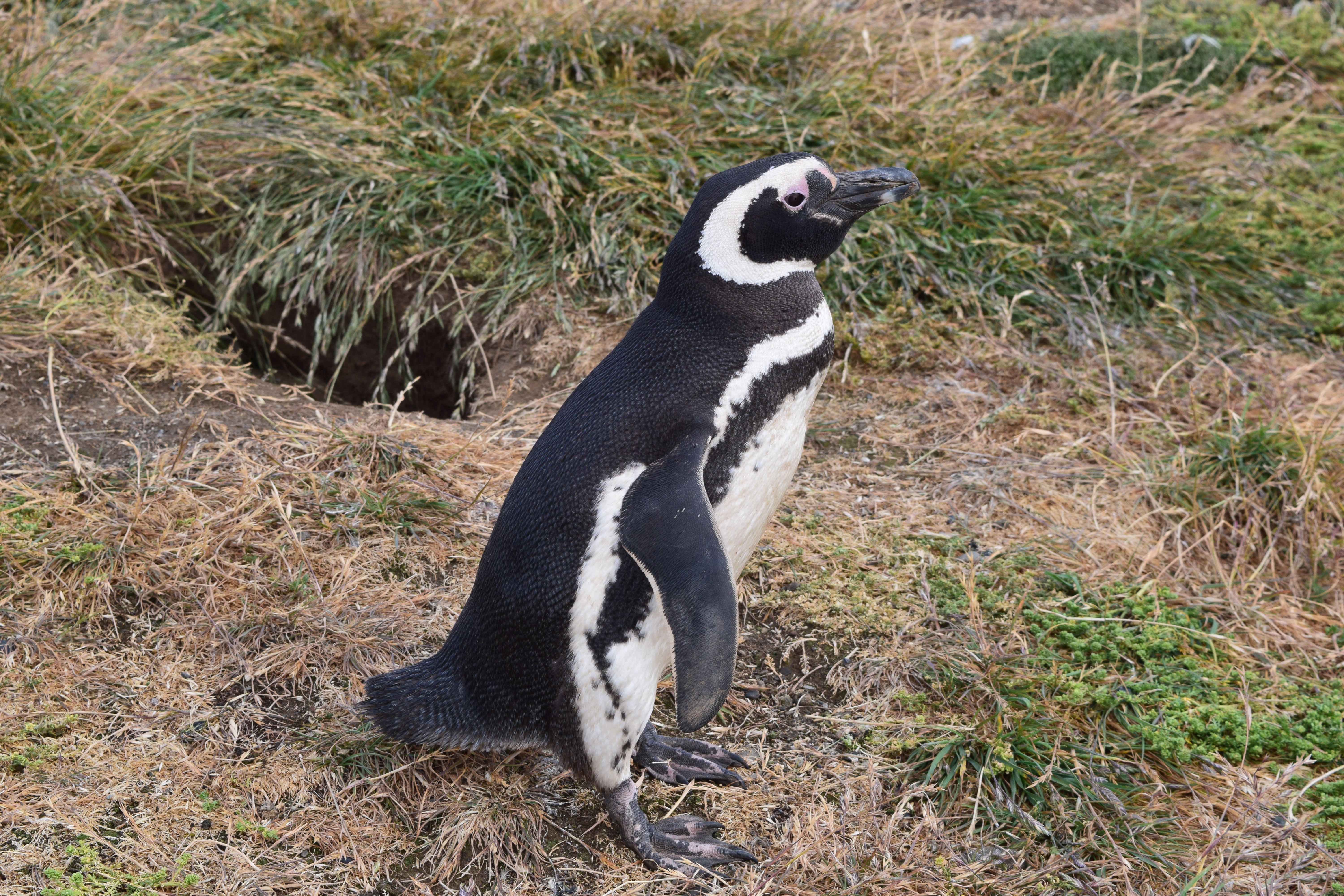
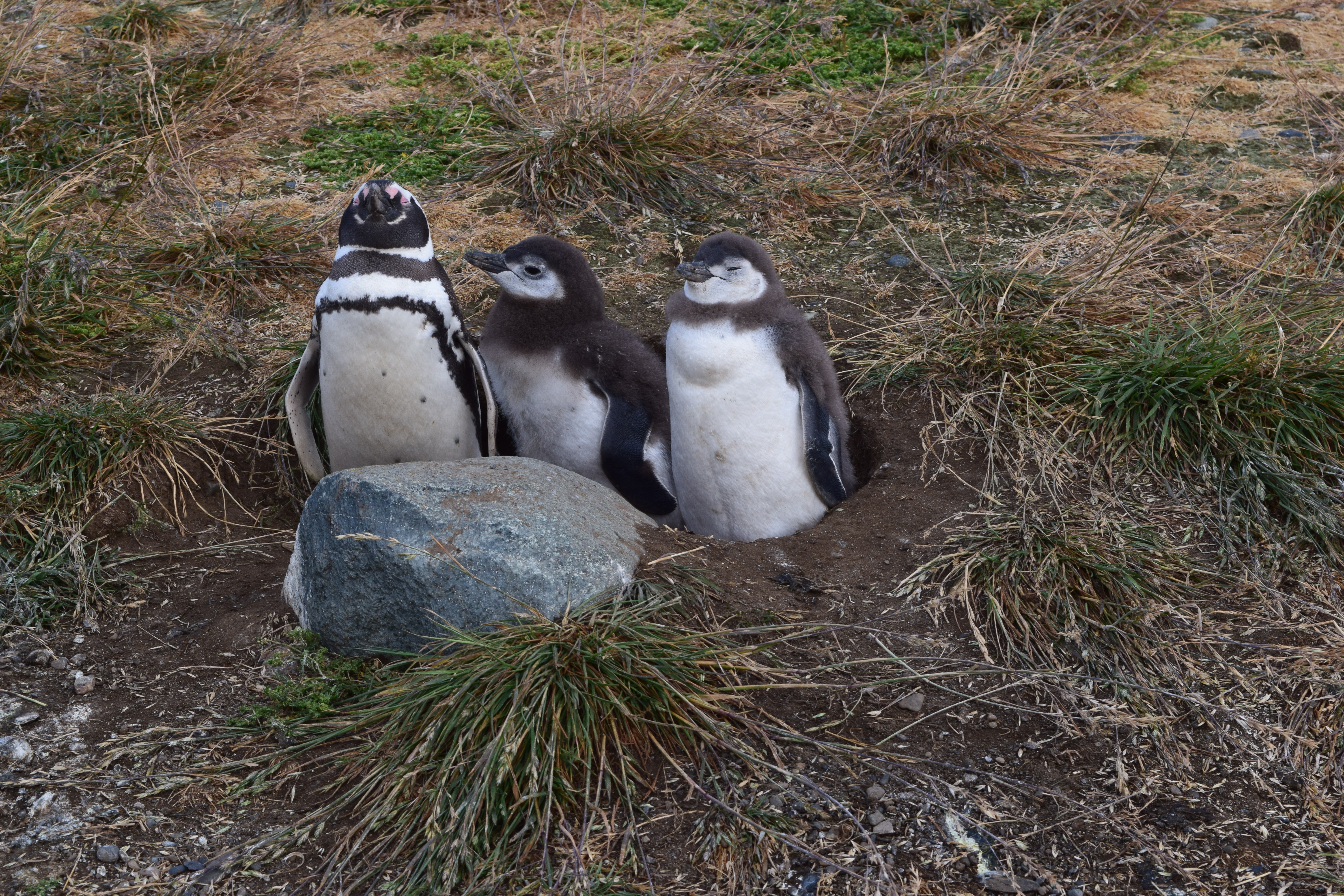
On the morning of Day 8 we took the zodiacs from our ship to visit the penguin colony on Magdalena Island. It was swarming with very cute penguins and many of their offspring. Interestingly, there were a lot of seagulls and their chicks there as well, which our naturalists said were relatively recent invaders who are predators for penguins. We saw a few examples of the cruelty of Mother Nature, but the penguins seemed to be hanging in there so far.

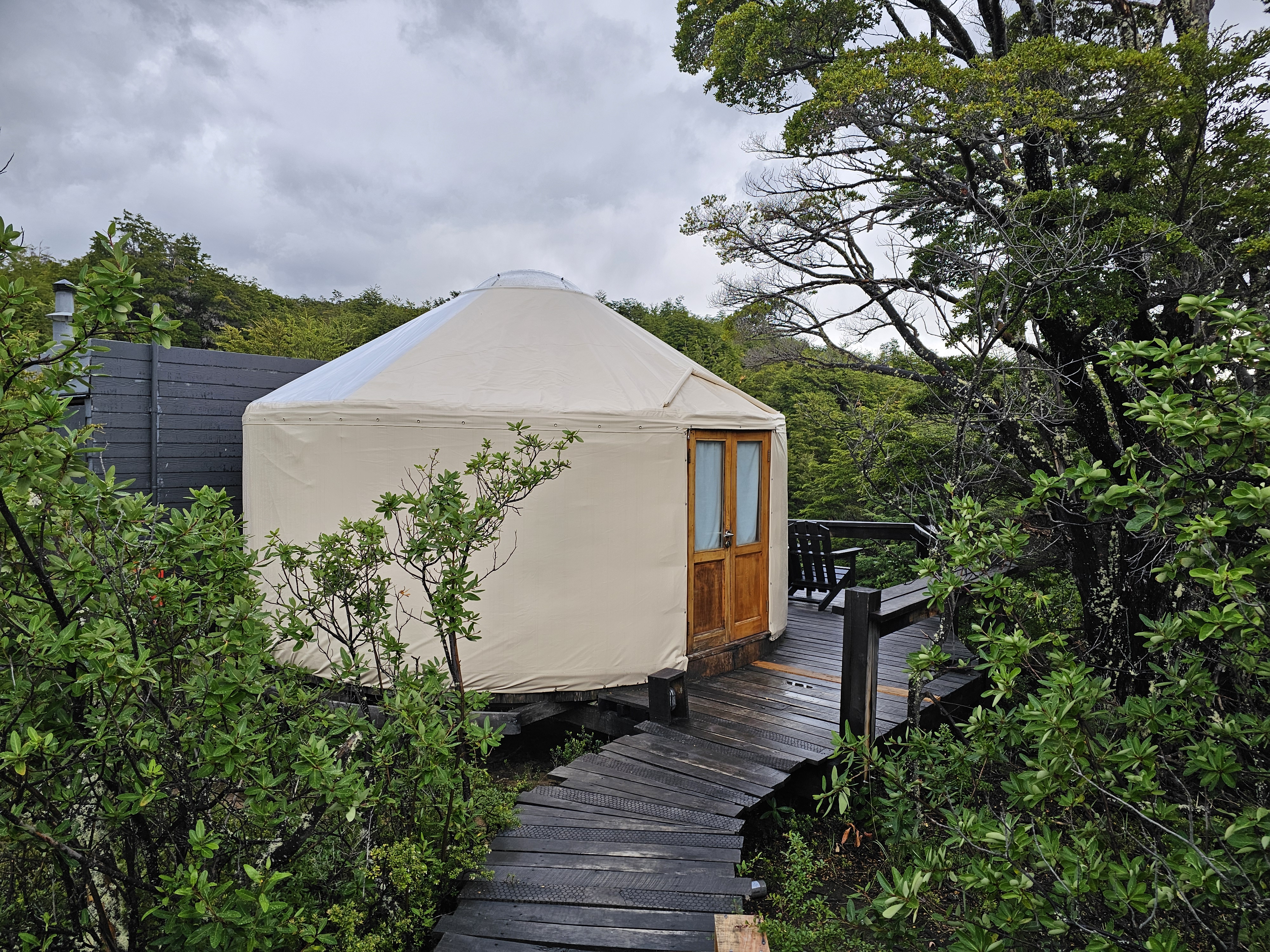
We then disembarked the ship at mid-day in Punte Arenas, which was an important stop on the Straits of Magellan during the California Gold Rush – before the Panama Canal and airplanes were invented to get to San Francisco quicker. After a 4 hour van ride, we arrived at Patagonia Camp for our next 4 days. It is just outside the southern entrance to Chile’s Torres del Paine National Park. We are staying in yurts, which is a new experience. More
tomorrow on the yurt experience after the first night………….
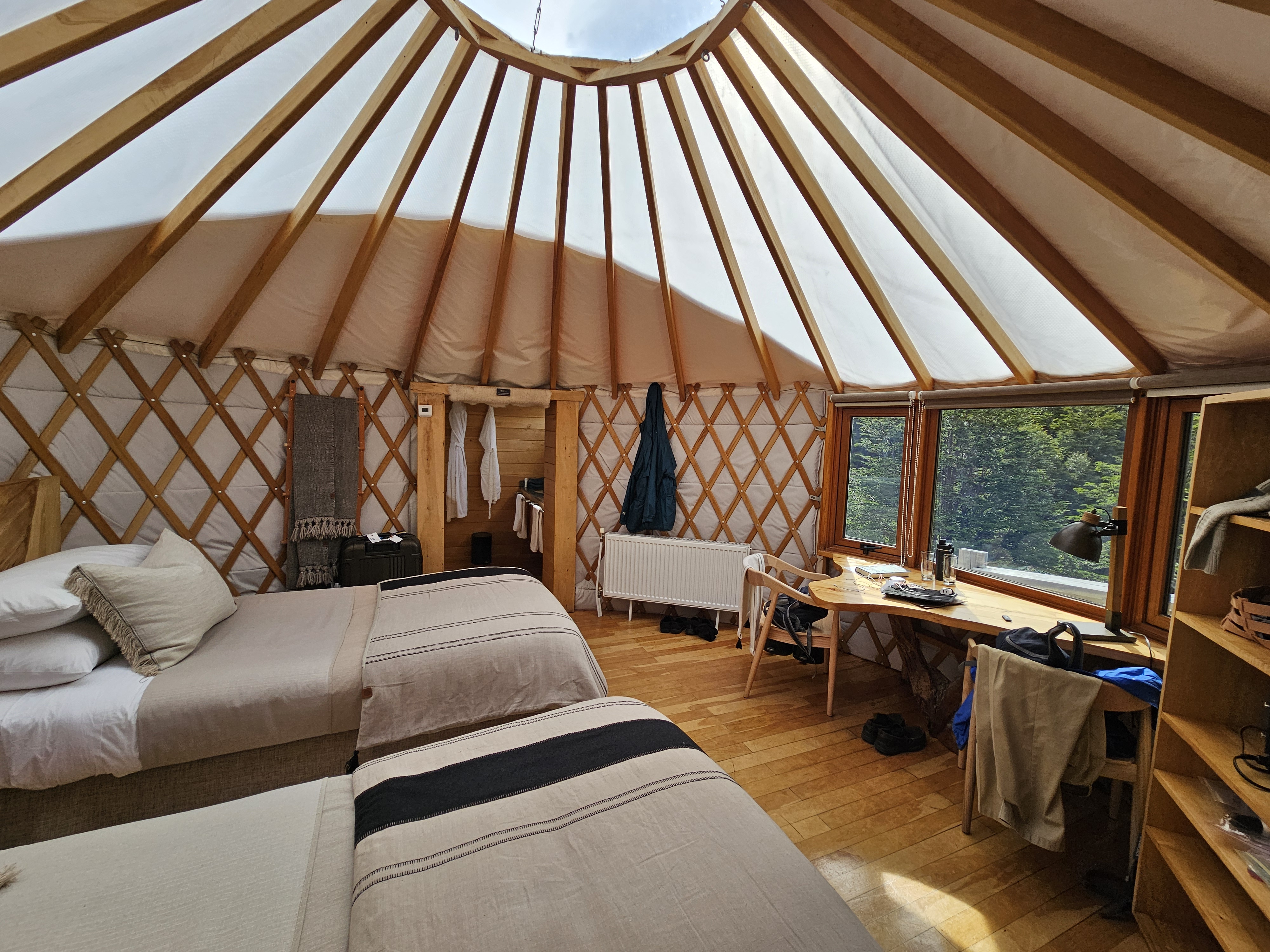
On Day 9 our guide told us early in the day that you cannot truly experience Patagonia without the rain and the wind. We experienced Patagonia today!

We also spent our first night in our yurt last night. It is very cozy, but with canvas walls and roof the sounds of the rain and the wind are impressive. There is also a glass dome at the top which is noticeable when the sun rises at 5 AM. If one wakes up during the night, the stars are also very bright. But it was clearly “glamping”, and very comfortable.
On Day 10 our guide Katalina’s quote of the day was: “You have to enjoy the wind! That’s Patagonia!” And it really was windy!
The Torres del Paine National Park is a UNESCO World Biosphere Reserve. The skies cleared this morning and we had some spectacular views of the Paine Massif and its key features.
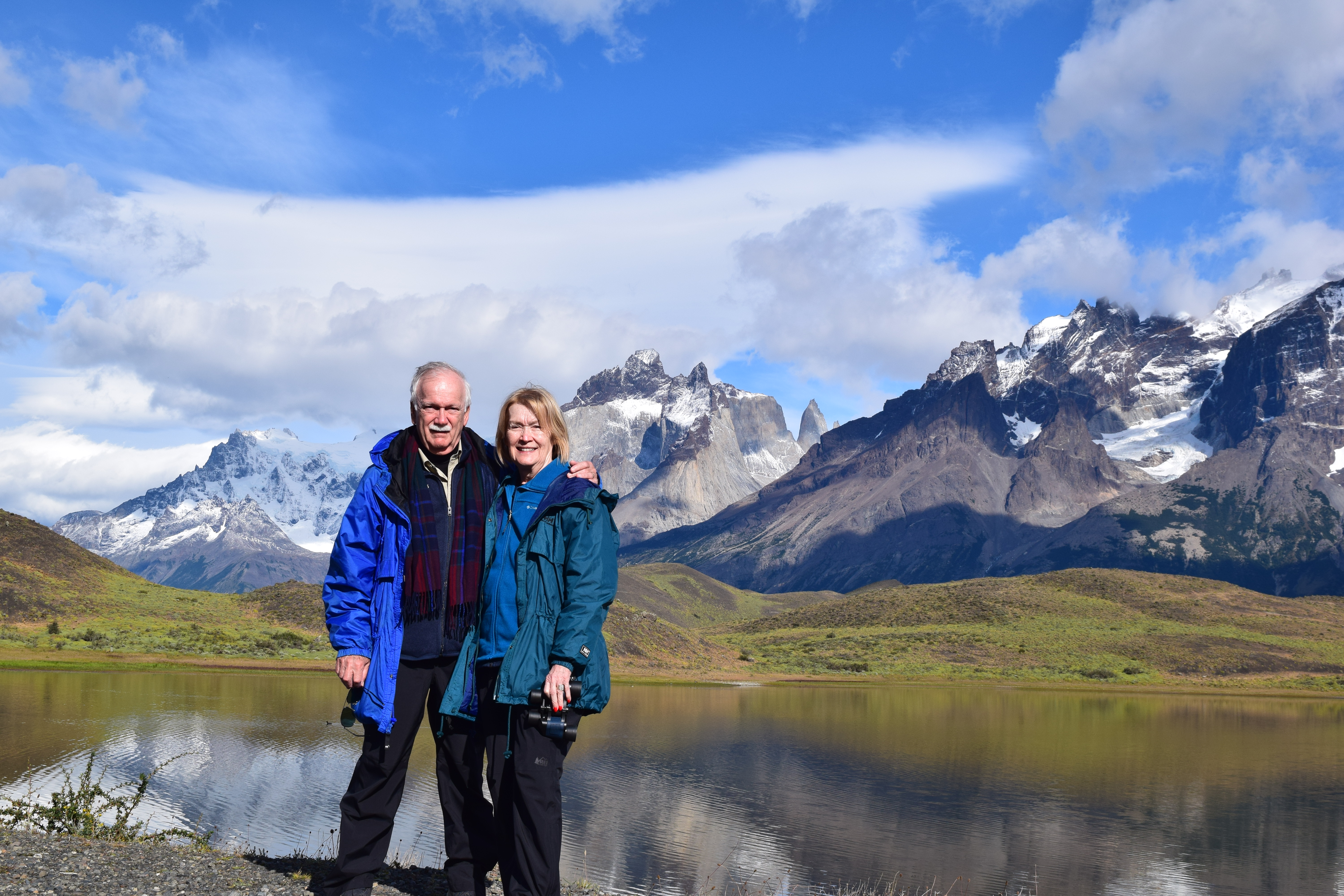
We trekked for 6 miles in the Patagonian Steppes in the eastern part of the park, with a vertical rise of 1000 feet to some caves that had rock paintings that were thought to be made by the native Indians thousands of years ago. That hike was in an area inhabited by guanacos (llamas) and pumas (mountain lions). Our guide said it would be very special if we saw a puma and we should stay together if we see one, but they are not normally a threat to humans since they prefer the taste of guanacos. We did see live guanacos and guanaco bones.
On Day 11 the weather was clear and dry and we took two great hikes. The first was to Cuernos del Paine (the “horns” of Torres del Paine rock formations). This trail is known to have the highest winds in the national park and is often closed due to winds over 80 km/hour that make it impossible to stand up. Our guide Katalina told us we were very lucky that the winds were only 55-60 km/hour today. That still seemed plenty windy. But the hike was great. We viewed the “Horns” and “Big Paine” from several angles.

The second hike was another nice one, to see the thrombolites in Lake Sarmiento. These are one of the earliest forms of life when there was only algae around about 100 million years ago. They can only be found in a few places around the world, mostly in the Southern Hemisphere. The only place in the US is Green Lakes State Park near Syracuse New York!
According to my watch, we covered 23,732 steps, 10.15 miles and 65 floors of elevation gain today. This was our last day of the expedition. The next day we headed to Santiago, Chile to catch our flight back to Orlando the following day.
 John and Paula's Blog