
In April we took another Lindblad/National Geographic expedition, this time to the US Pacific Northwest titled “Colombia and Snake Rivers: Food, Wine, and History”.
We arrived in the Lewiston, Idaho and Clarkston, Washington. The city names come from their association with the Lewis and Clark Expedition of Discovery in 1803-1805, shortly after much of the western US was obtained from France by Thomas Jefferson via the Louisiana Purchase. Our expedition followed the route they followed downriver to the Pacific and back upriver to the Continental Divide. We had a historian accompanying us who gave a very relevant lecture every day.
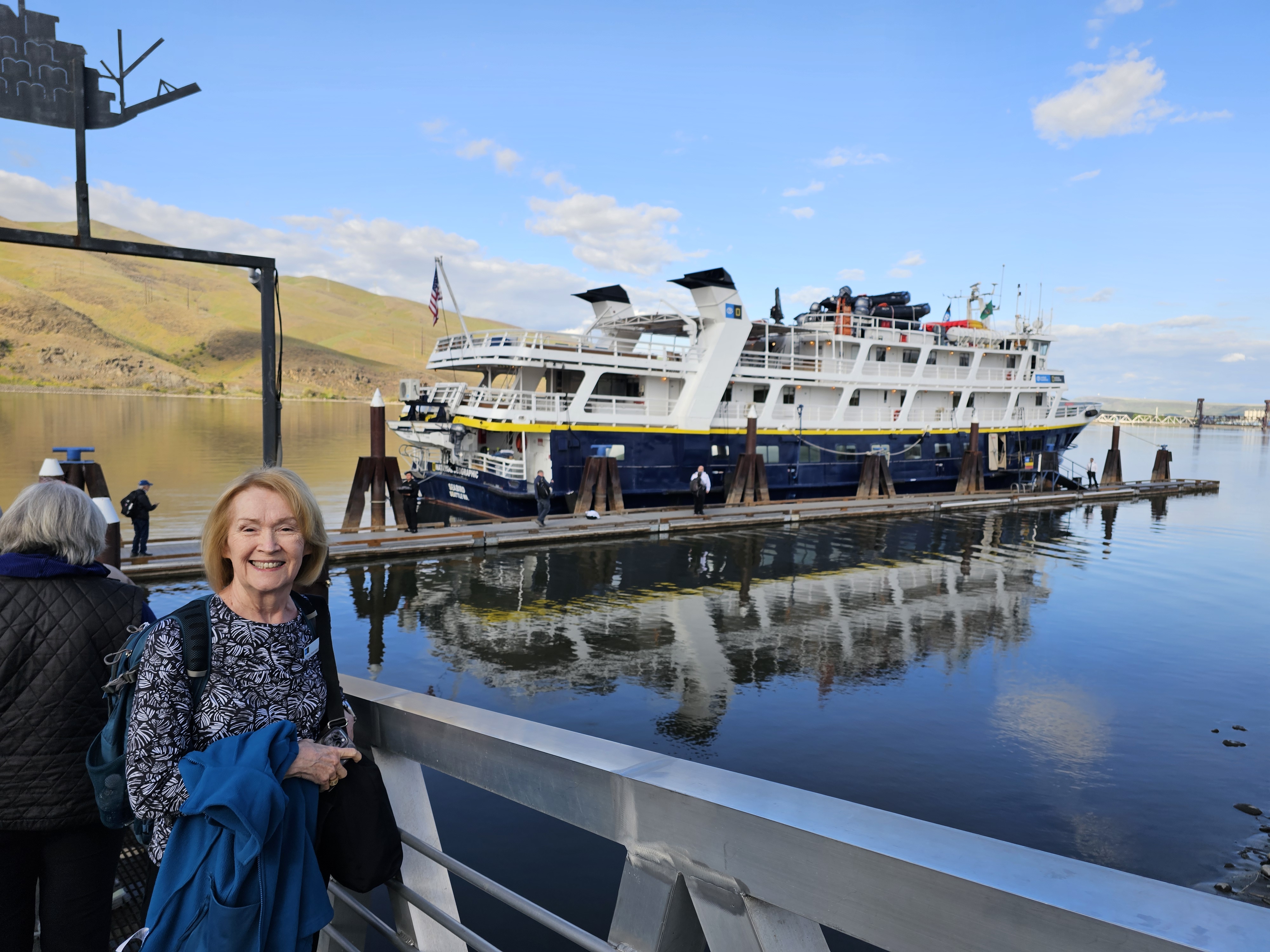
We boarded our expedition ship in the evening, the National Geographic Sea Bird.
The next day we took jet boats 50 miles up into Hells Canyon, a 125 mile-long canyon that was carved by the waters of the Snake River and at 7993 feet is North America’s deepest river gorge – most of it inaccessible by road. For comparison, the Grand Canyon is only 6093 feet deep.

After returning to the ship we had three lectures. One from a Nez Perce Indian storyteller. One by a local winemaker. And one by the accompanying National Geographic photographer on techniques to take pictures with our phones.
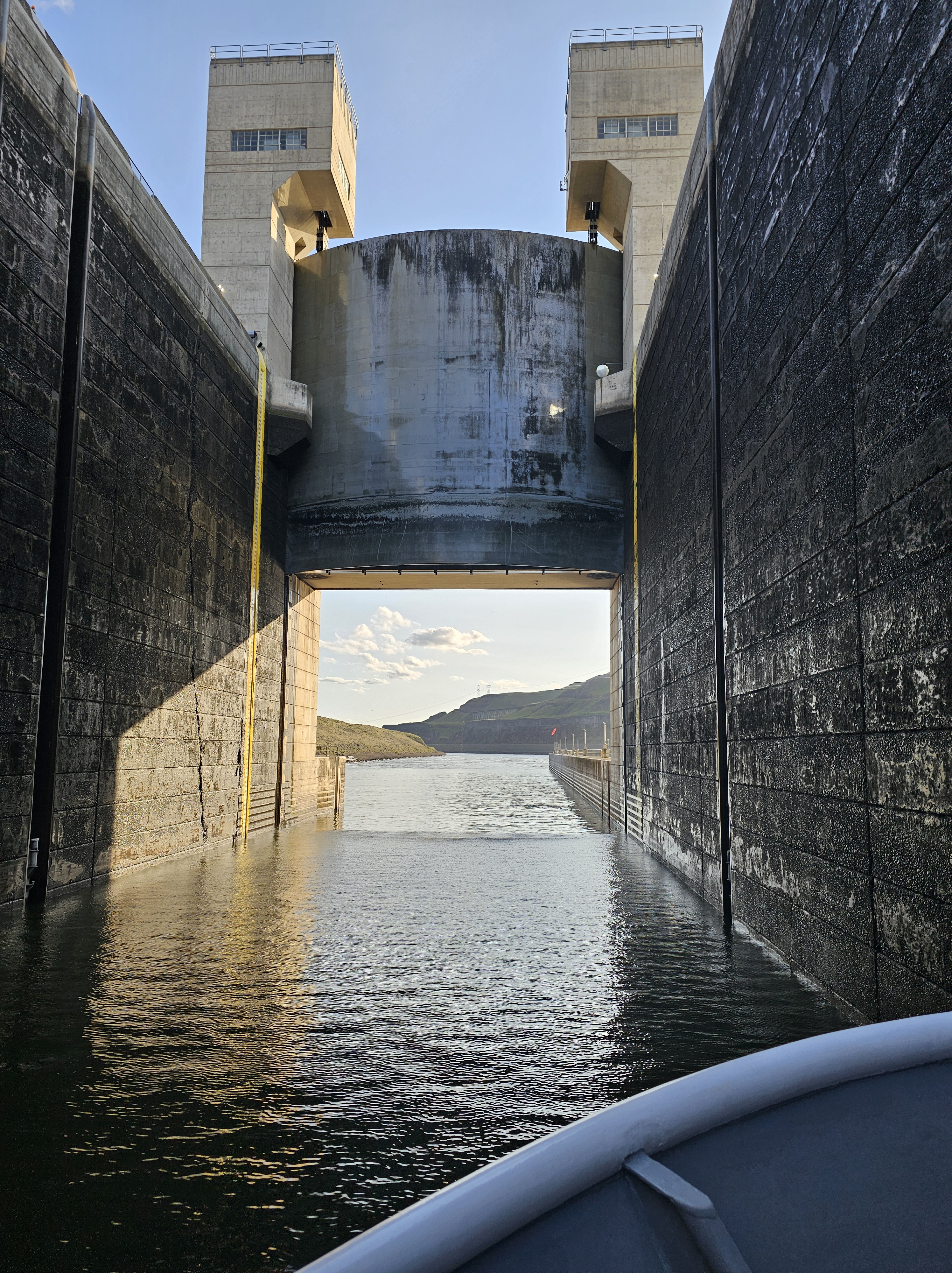
On Day 3 we visited the top of Palouse Falls and then took the Zodiacs up the Palouse River for birdwatching and inspection of the local geology. That evening we were on deck while we passed through one of several locks on the Snake and Columbia Rivers that we traversed, each dropping us about 100 feet as we traveled from 750 feet above sea level in Idaho to the Pacific Ocean in Washington.

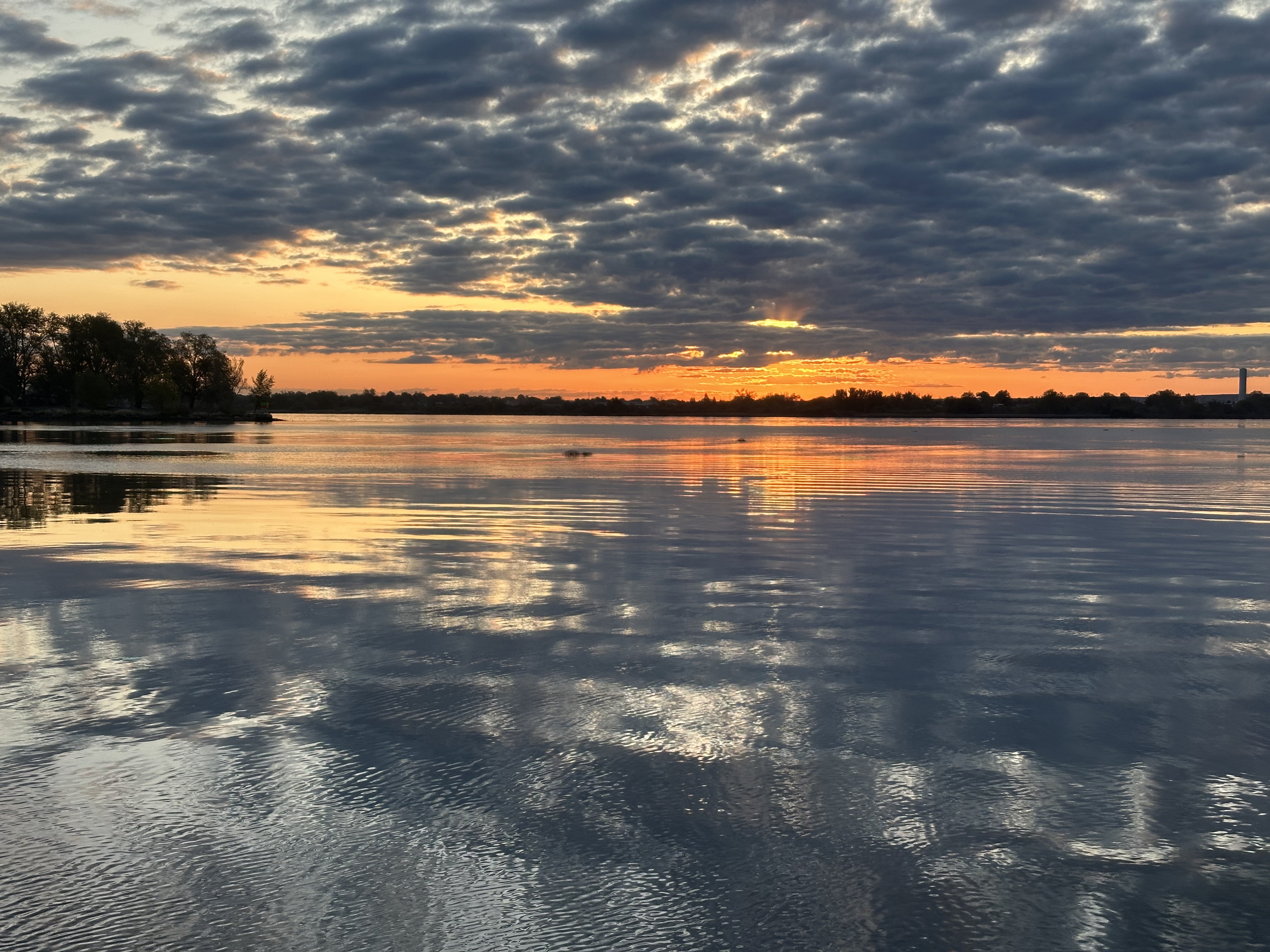
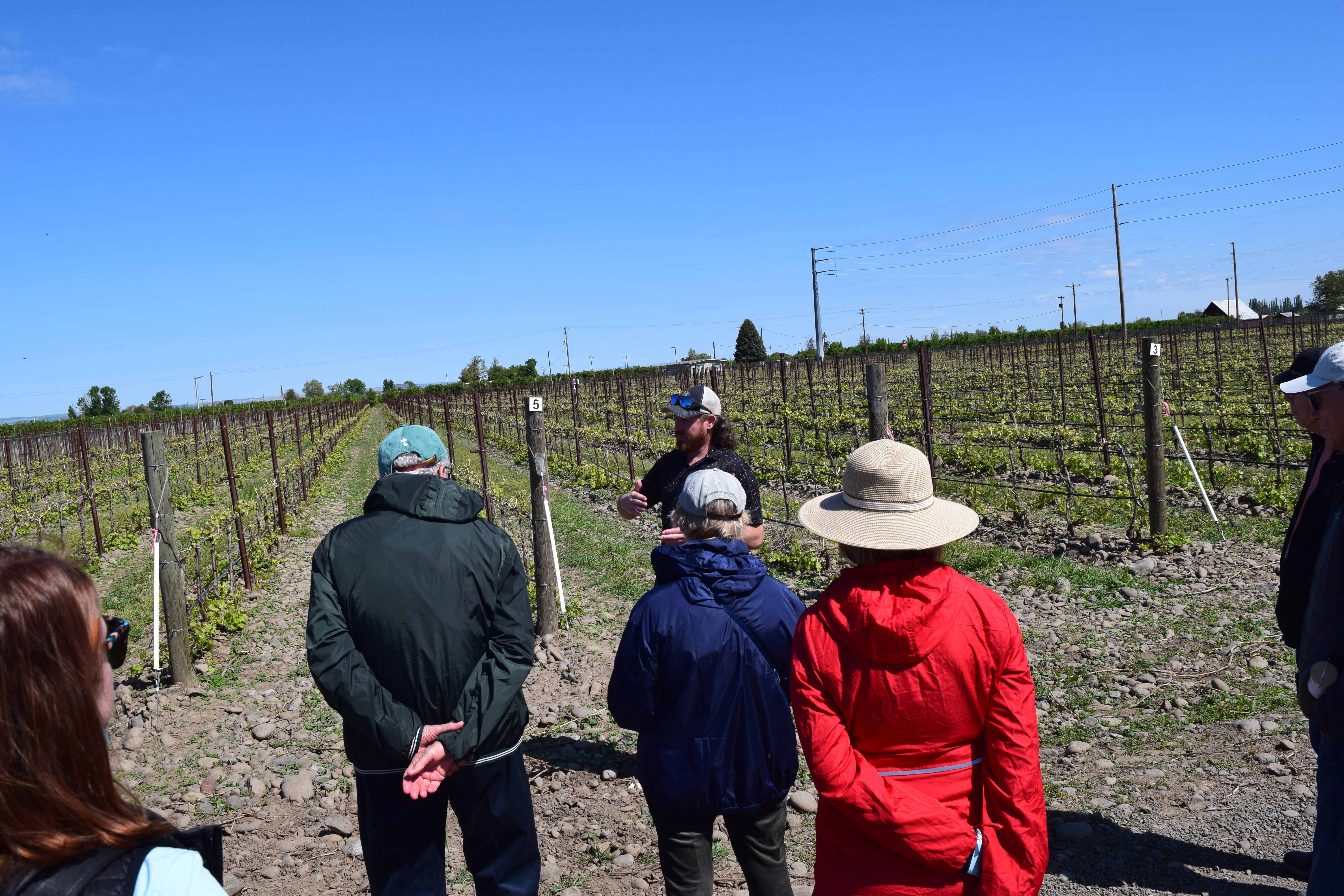
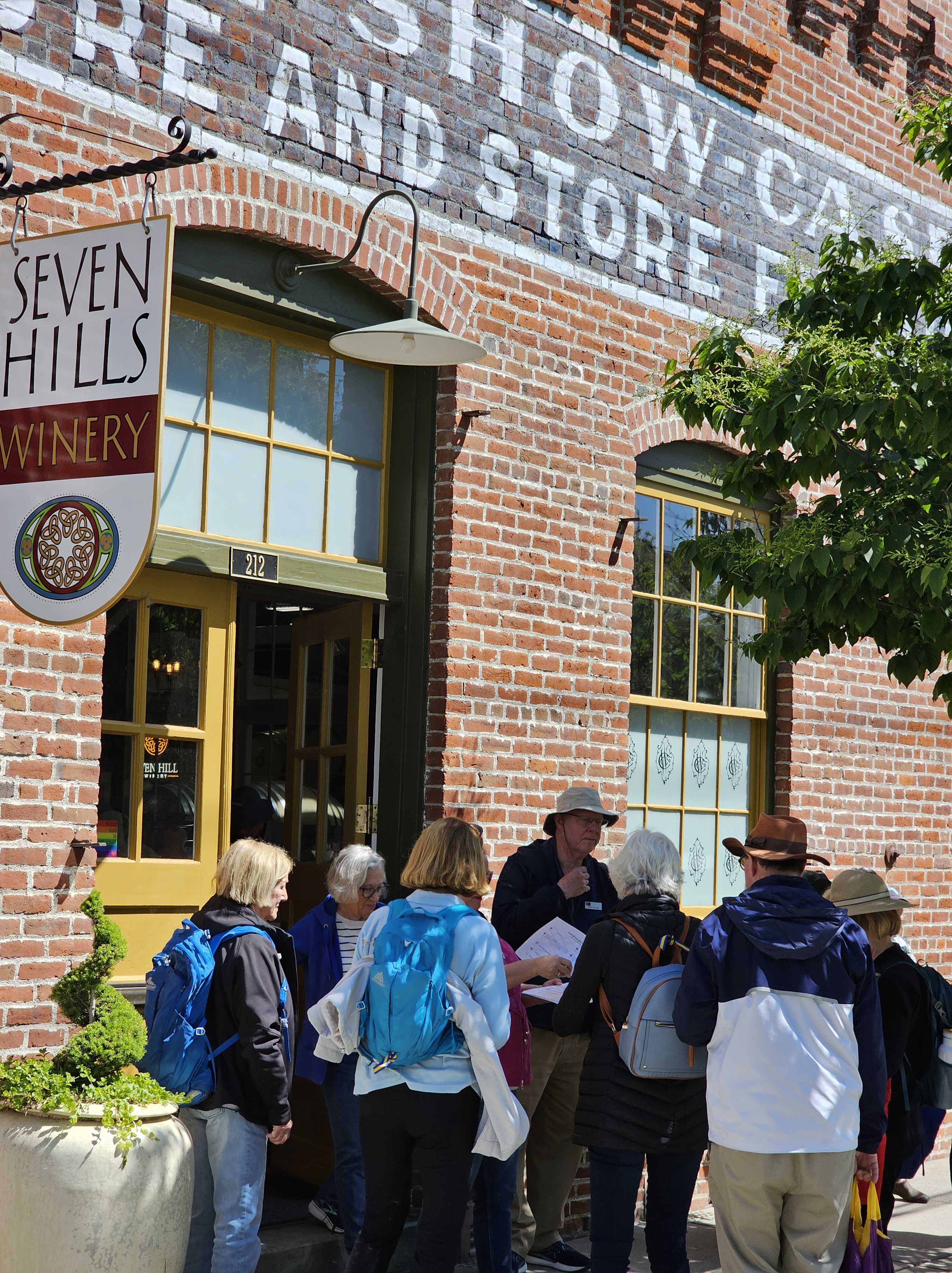
On Day 4 we viewed a spectacular sunrise from the window in our cabin and then were transported to the cute little town of Walla Walla which has been reincarnated as a vineyard and winery destination, with approximately 130 small wineries. In the morning we inspected the varied estate vineyards of the Seven Cellars Winery with the winemaker, followed by lunch and a guided tour of the winery in town.
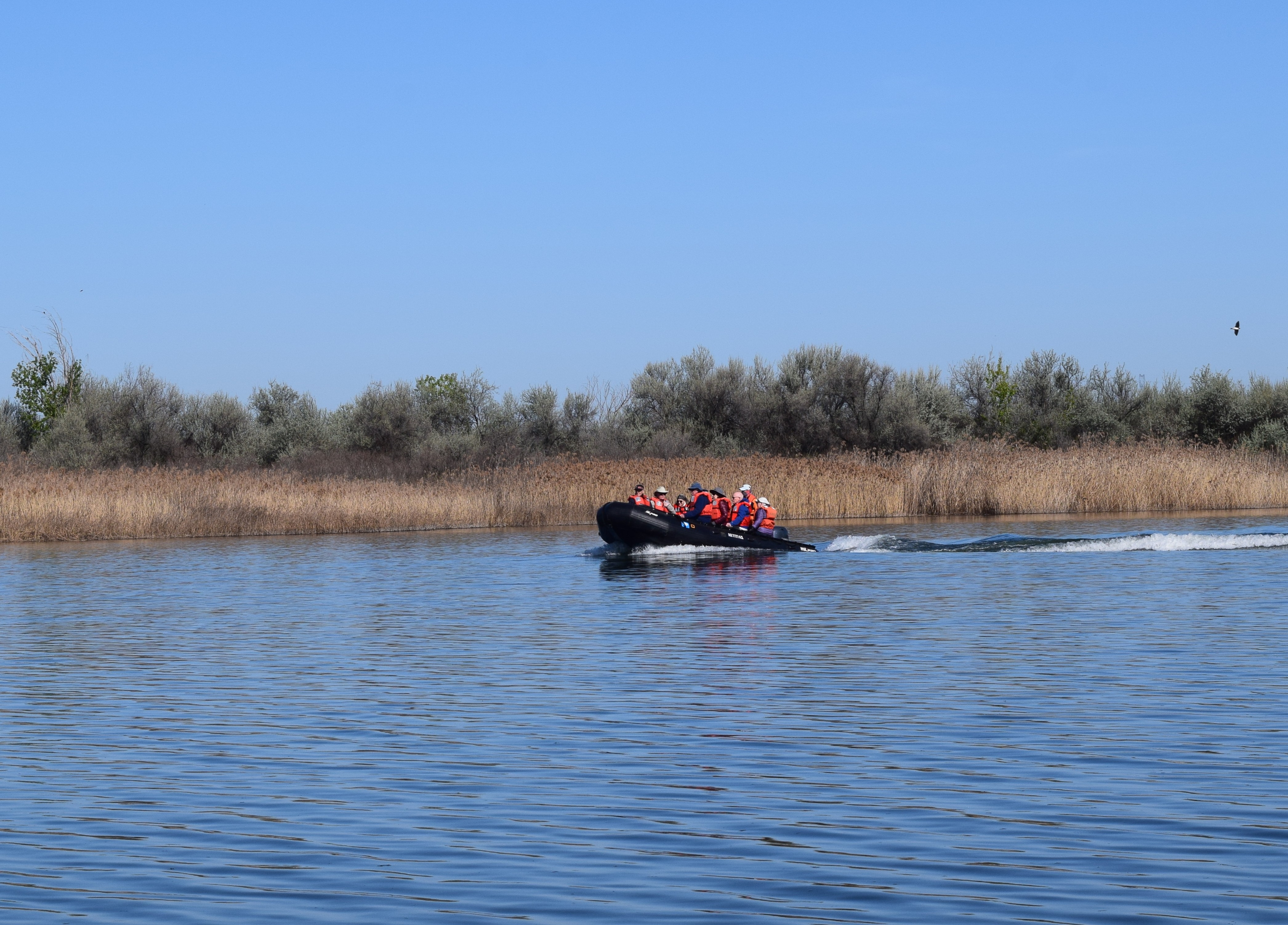
On Day 5 we continued our expedition, now on the Columbia River running between Washington and Oregon. In the morning we went out in the Zodiacs with a naturalist to view wildlife in the Blalock Islands. Among other things our wildlife sightings included an American Bald Eagle and many “orange-breasted rubber-neckers”, which are plentiful in the most beautiful parts of the world. They are social animals that practice mimicry and will often wave back if you wave at them. 😊



In the afternoon, we hiked to the top of the highest mountain on Crow Butte Island, created in the middle of the Columbia when the dams were built and flooded the rest of the valley. Our ship is below us in the background of this picture. The panoramic view from there included a massive wind farm and several Bonneville Power Authority high voltage transmission lines. Beautiful….(to John anyway).

Lectures today included one from the naturalist on the challenges facing migrating salmon and their significant predator orca whales, as well as another in a series from the expedition historian after dinner.
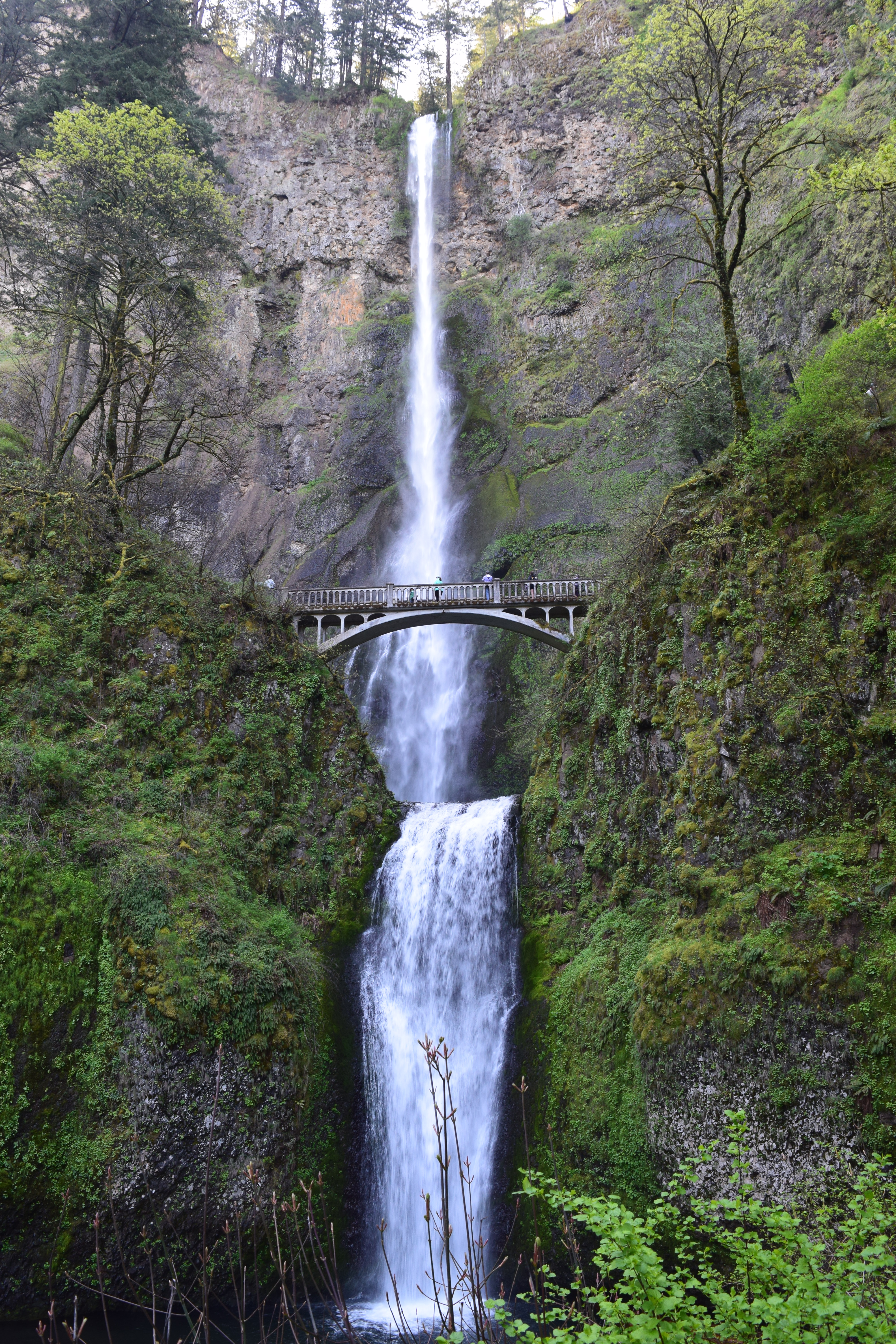
On Day 6 we docked at Hood River, Oregon and travelled by coach to the 620 foot tall Multnomah Falls, the most visited natural recreation area in the Pacific Northwest, getting there early before too many tourists arrived.
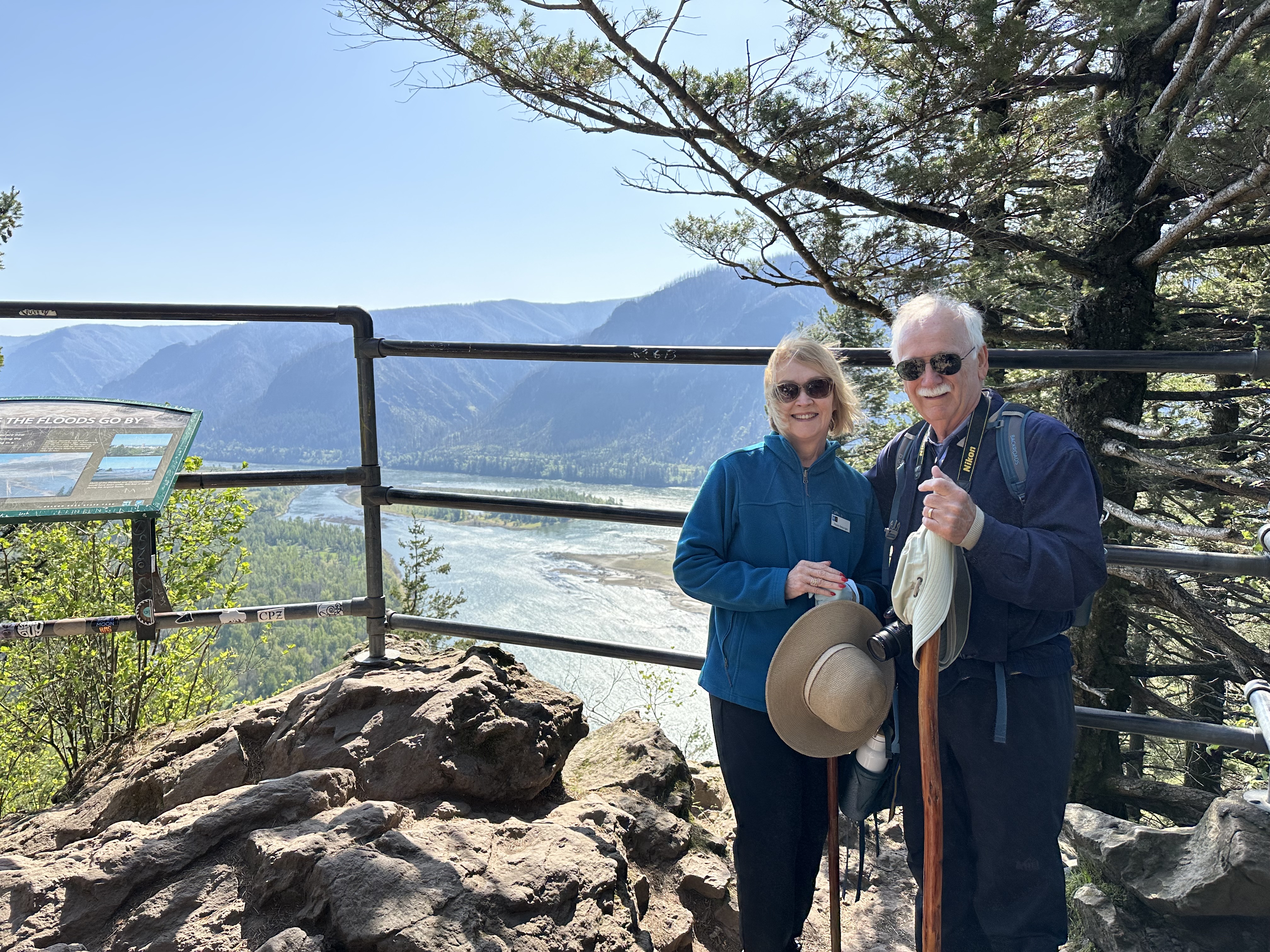
After a lunch winetasting at the Columbia Gorge Museum we did the “energizing” summit trek to the top of Beacon Rock on a trail crated in 1915 with a vertical rise of 575 feet incorporating 53 switchbacks in the trail. The view of the Columbia gorge and Bonneville Dam from the top was spectacular.

On Day 7 we reached the Pacific Ocean at Point Disappointment in Washington, which was where Louis and Clark’s “Corps of Discovery” reached the ocean with the written exclamation: “Ocien (sic) in View: Oh the Joy!”
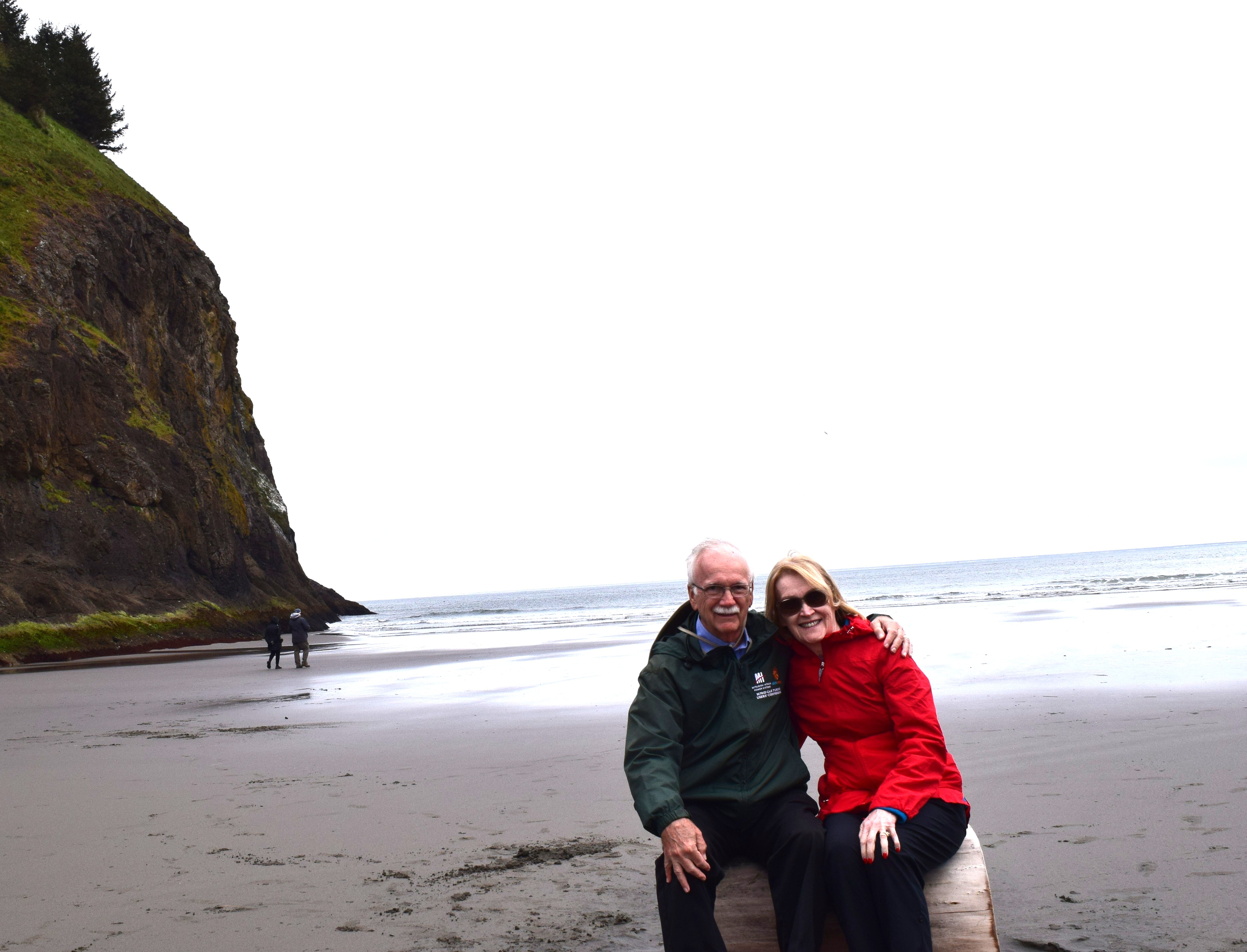
In seven days we had travelled downriver about 475 miles from the near-desert of Lewiston, Idaho where annual rainfall is 6-9 inches to the coast in Washington’s temperate rainforest where annual rainfall averages 56 inches. And we had great weather all the way with the sun appearing most of every day. There were 58 of us on the expedition and we were well-entertained and taught every day by the accompanying naturalists, wine expert, photographer and historian. A good trip that we highly recommend.
 John and Paula's Blog