In November we spent two weeks in Egypt coordinating the annual 50 Hz. Users’ Conference. We had last been there in February/March 2020 and had contracted Covid on the Nile River. It worked out better this time.
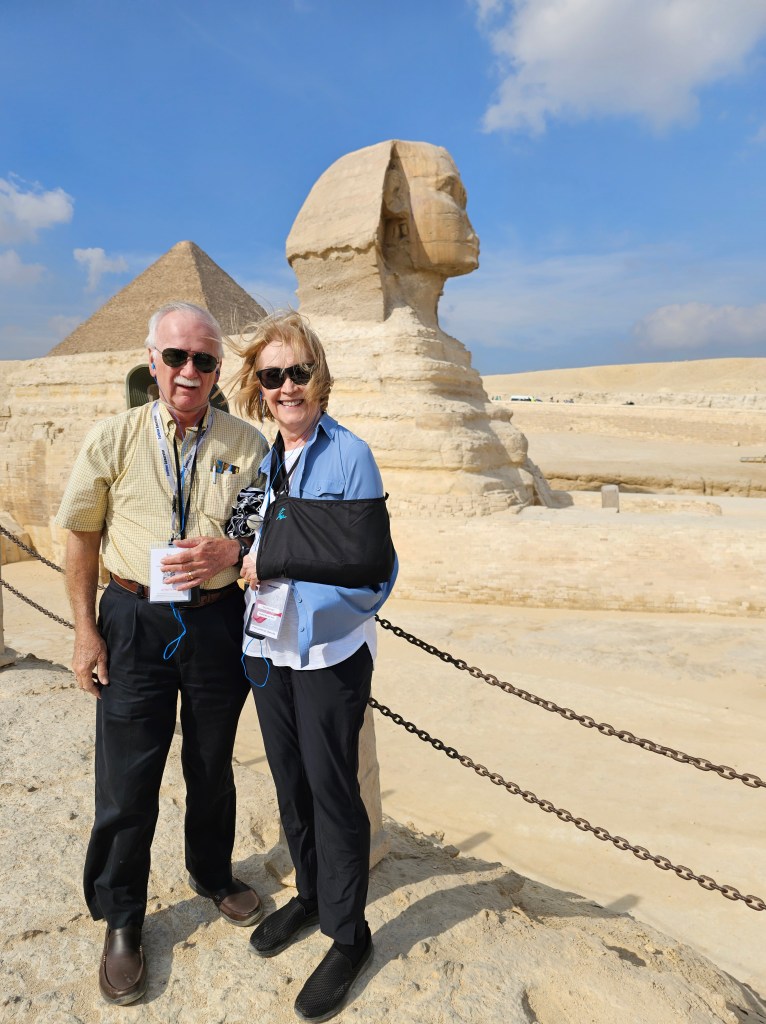
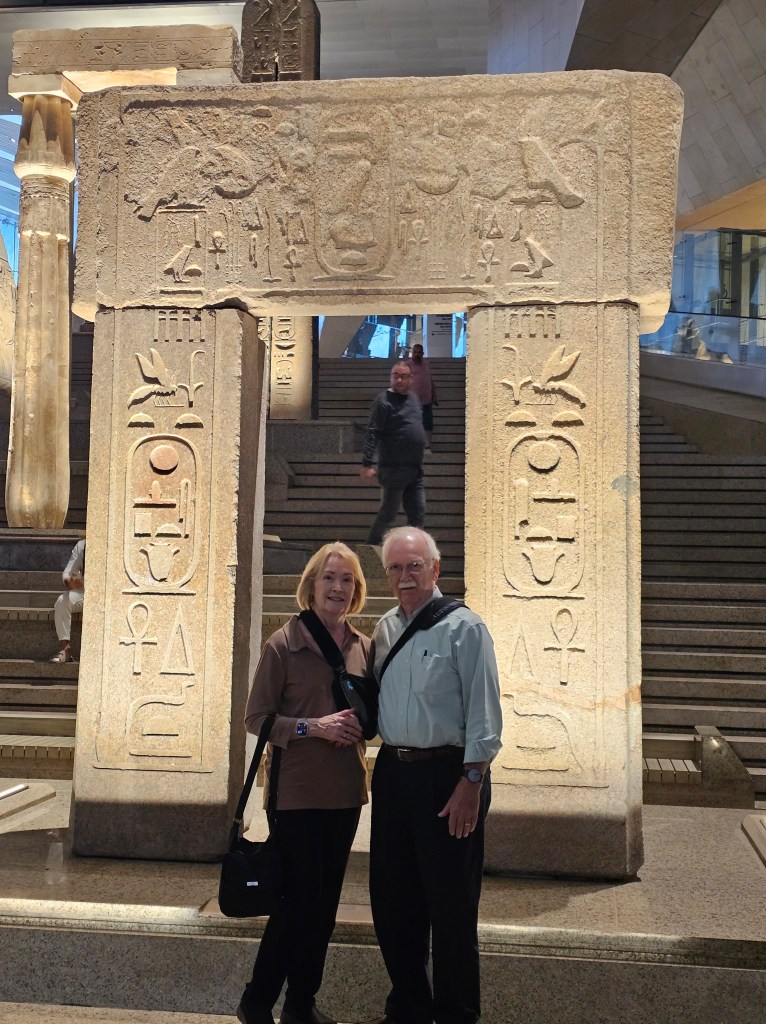
In addition to the Conference itself, we had the opportunity to visit the Pyramid Plateau, the Sphinx and the soft opening of the new Grand Egyptian Museum in Giza, the largest archeological museum in the World.
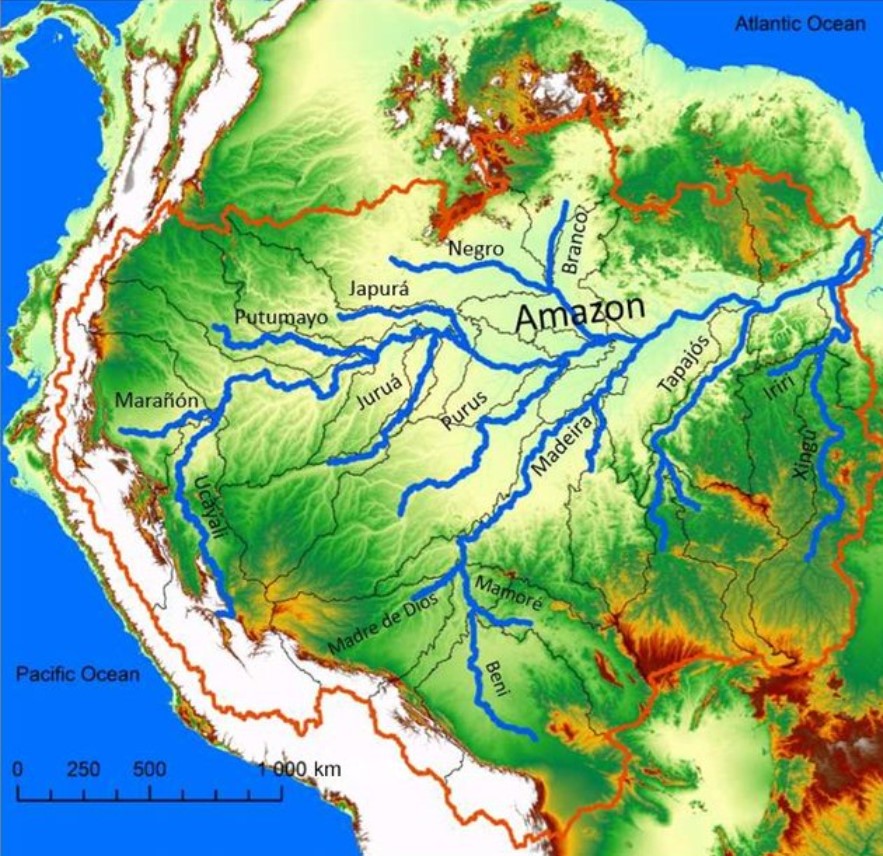
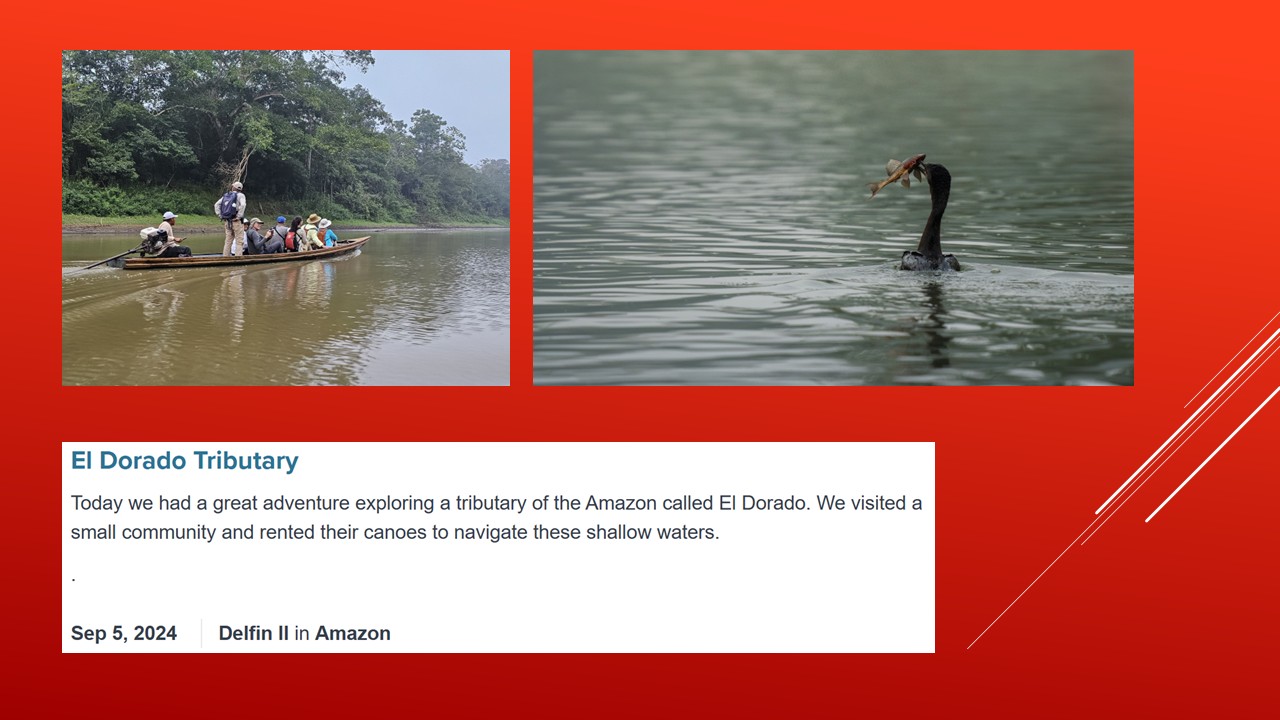
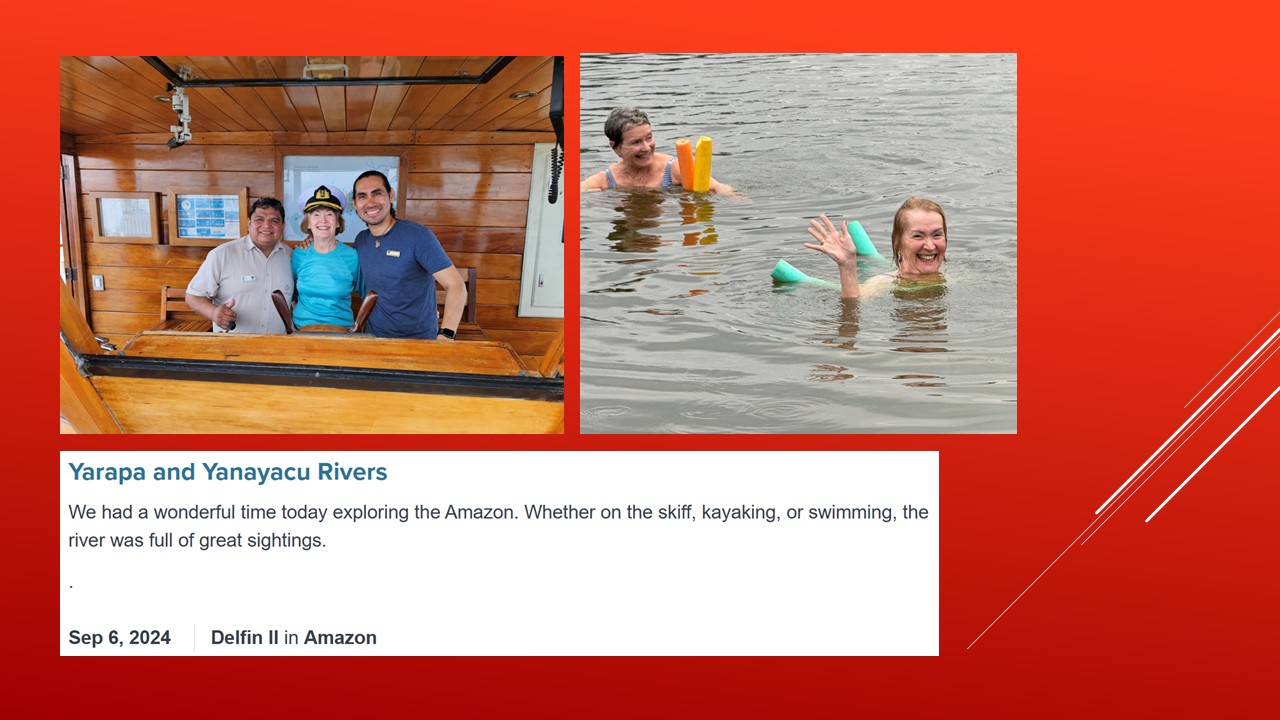
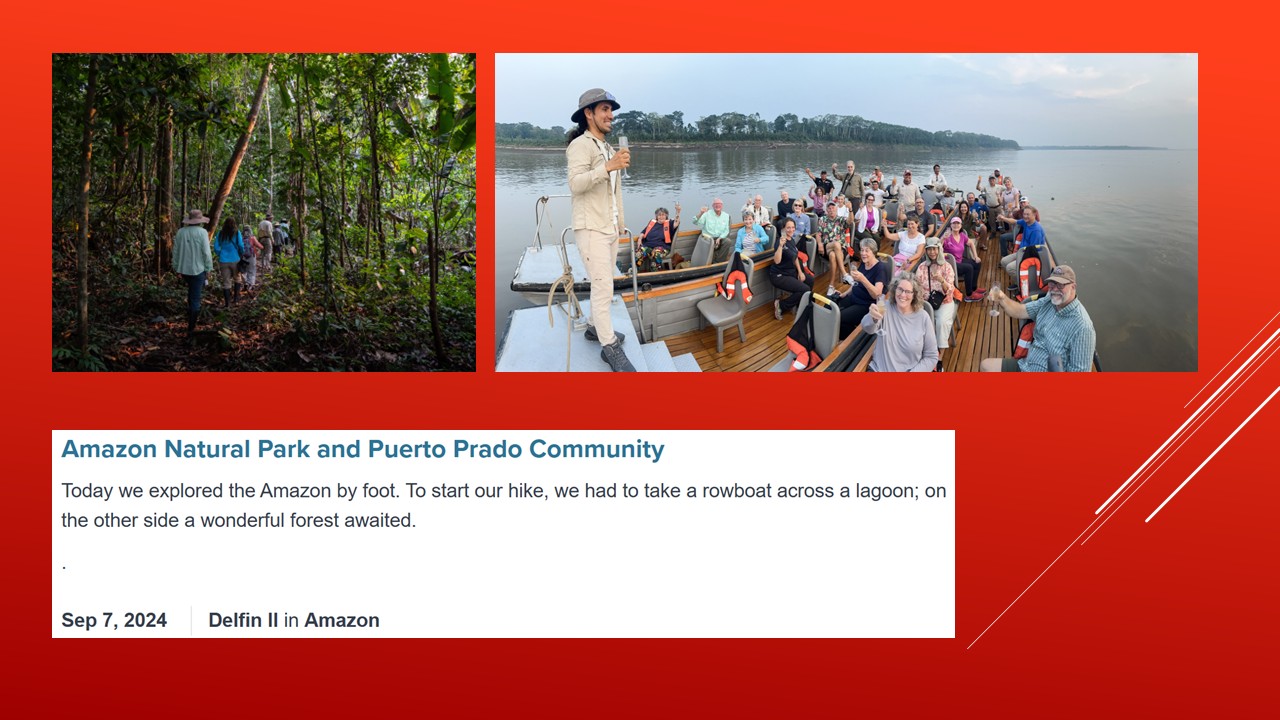
In late August and early September we journeyed with our friends Peg and Roger to South America. This was an “Expedition, not a Tour” organized by Lindblad Expeditions and National Geographic to the Upper Amazon region of Peru. We explored two of the major tributaries of the Amazon, the Ucayali and the Maranon, which arise in the Andes Mountains of Peru and come together at Nauta, Peru to form the Amazon. The Amazon proceeds from there for another 3000 miles through parts of Peru, Columbia and Brazil before emptying into the Atlantic. It delivers 30% of all of the fresh water in the world. It is considered the longest river on the planet at 4345 miles in length, allegedly longer than the Nile by 87 miles (but other trips to Egypt found folks there who disputed that).
August 31, 2024: LIMA, Peru
We began the expedition in Lima, Peru, where we visited Plaza de Armas and surroundings in the heart of colonial Lima. In 1988, UNESCO declared the historic center of Lima a World Heritage site for its high concentration of historic buildings constructed during the Spanish colonial era. Ornate facades line centuries-old streets, adorned with more than 1600 intricate balconies, plus palaces and cathedrals begun in 1535 under Francisco Pizarro.
We stayed at the Country Club Hotel in fashionable San Isidro and visited Huaca Pucllana, an adobe pyramid built by the pre-Inca Lima Culture in 200-700 AD and now one of several pyramids surrounded by the city of Lima.
Pyramid remains in background, made of millions of bricks stacked vertically
September 1, 2024: LIMA to Iquitos to Nauta
The next day we flew 1.5 hours over the Andes Mountains from Lima to Iquitos, Peru, a city of 500,000 that is only accessible by air or river. Only one road leads out of the city, going about 50 miles to Nauta where we boarded our ship, the Delfin II. Iquitos was the center of the Peruvian “rubber rush” in the late 19th Century and early 20th Century when rich rubber-barons built lavish mansions, opera houses, etc. in the grand European style.
In May we travelled to the countries along the coast of the Adriatic Sea. It was a great trip. We were in 6 European countries, four of which were new for Paula and three of which were new for John. We made a total of eleven (11) border crossings, so the passports got a lot of use.
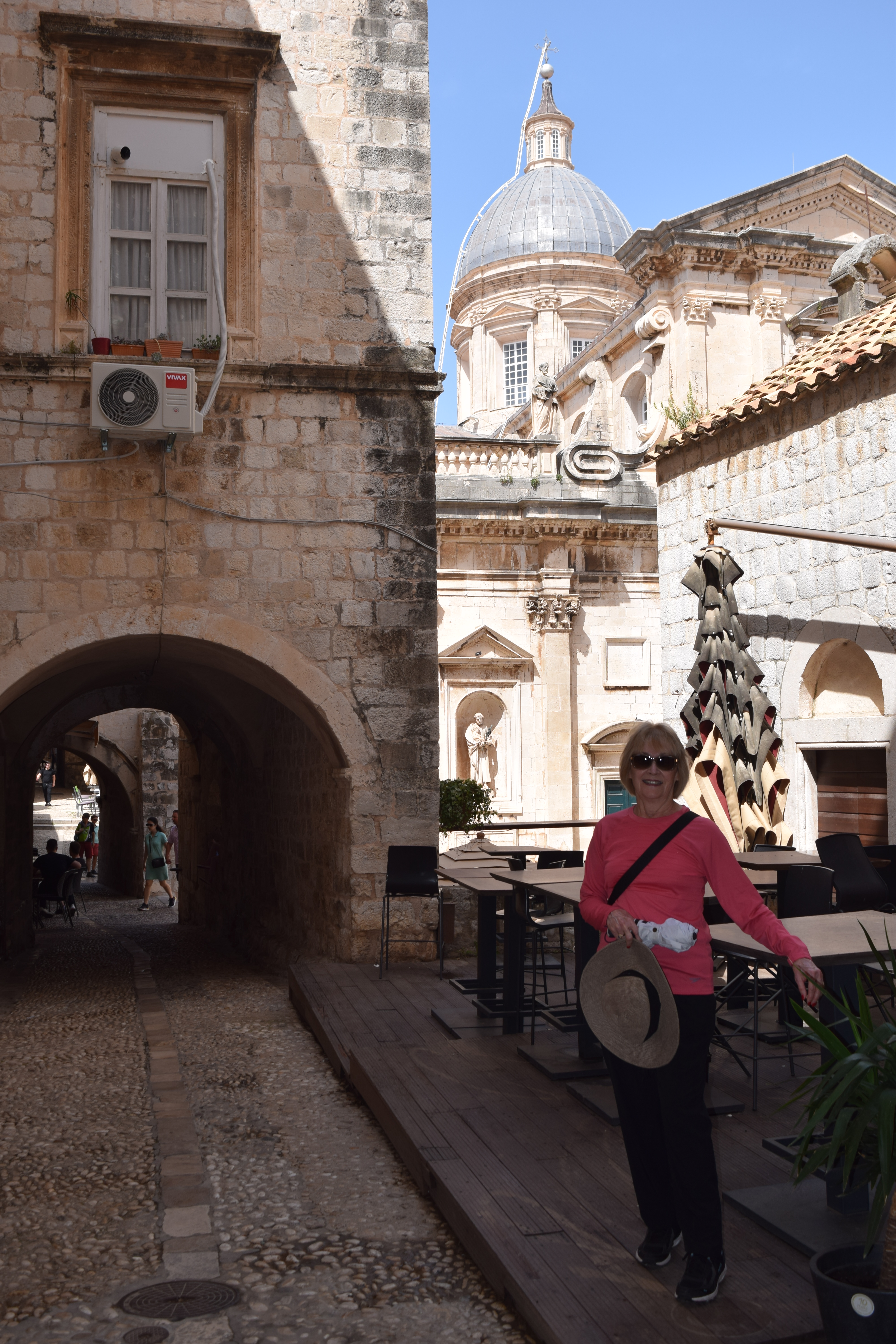
On Day 1 we arrived in Dubrovnik, Croatia and spent our first three days there and in the surrounding area. Dubrovnik is on the Adriatic Sea, with an Old City surrounded by walls begun in the 10th Century. Croatia is one of several countries we visited on the Balkan Peninsula, all of which were part of the former Yugoslavia that broke up around 1990. They were at war with each other in various combinations over the next five years due to nationalism and ethnic rivalries. This, along with thousands of years of history as part of many different empires ranging from Greece, Rome, Venice, Ottoman Turkish, Austro-Hungarian, Soviet Union and others meant lots of history to learn about, both old and recent.
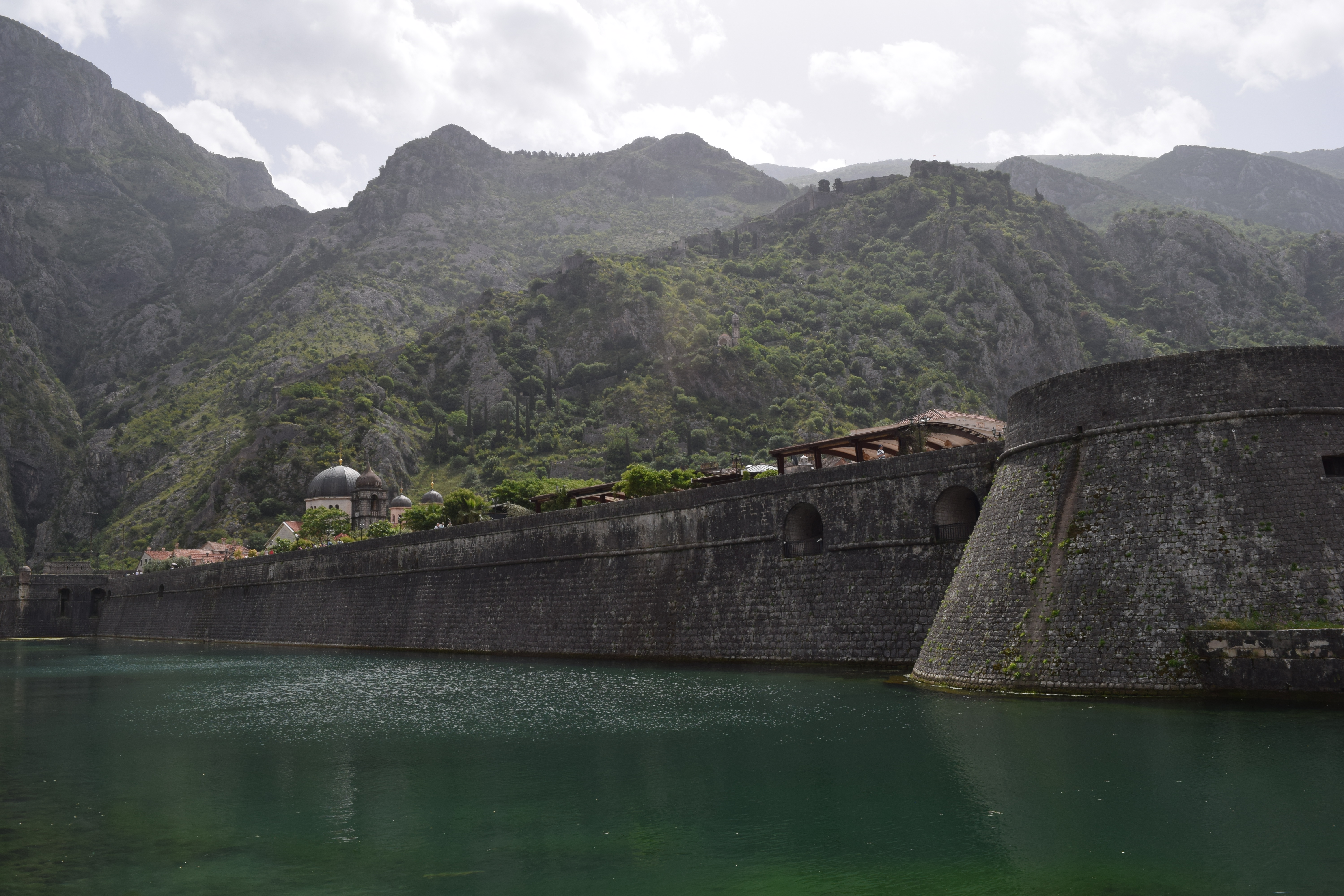
On Day 4 we travelled from Dubrovnik, Croatia to Montenegro, which is only 25 miles away. In the early 1990’s the countries were at war and Montenegro, along with Serbia, was bombarding and blockading Dubrovnik. Things have calmed down since then and the city of Kotar in Montenegro was beautiful.
On Day 5 we travelled into Bosnia and Herzegovina, a majority Muslim country with many Ottoman influences. We visited the city of Mostar which still has many heavily damaged buildings and tragic memories from the war with Serbia in the 1990’s.
In front of Stari Most Bridge, built by the Ottomans in 1557, destroyed in 1993 war and rebuilt
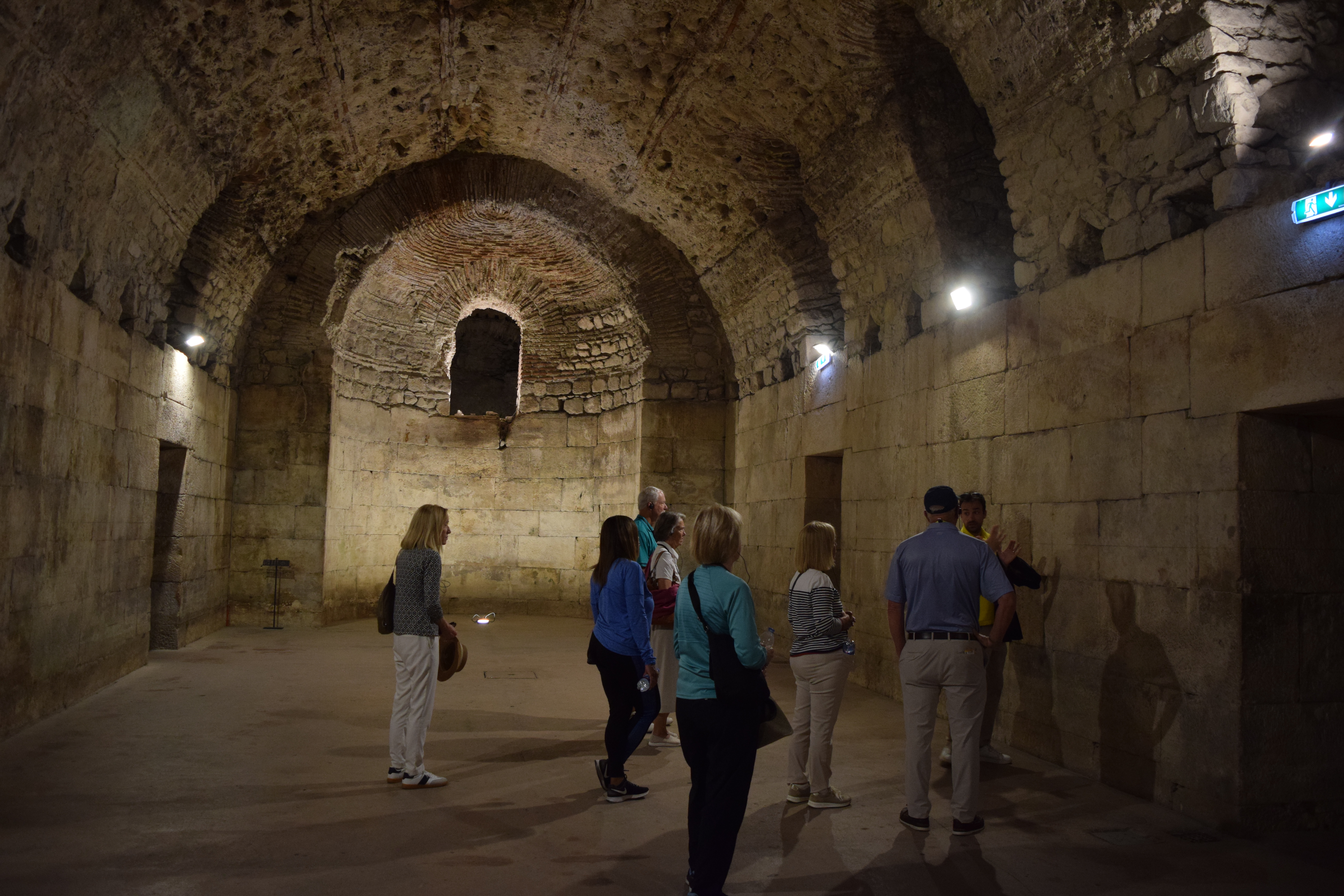
On Day 6 we were back on the Adriatic coast in Split, which was where Roman emperor Diocletian built his retirement palace with the help of 6000 Egyptian slaves in 300 AD. It is the most well-preserved Roman structure we have ever seen.
On Day 7 we went to the Croatian national park Krka, had dinner in Roca at the House of Dalmatian Smoked Ham and then flew to Zagreb in the evening. On Day 8 we toured Zagreb, the capital of Croatia and had a meeting with the former Minister of Tourism of Croatia to learn about her experiences during the Communist years and how she helped restore tourism after the war in the 1990’s.
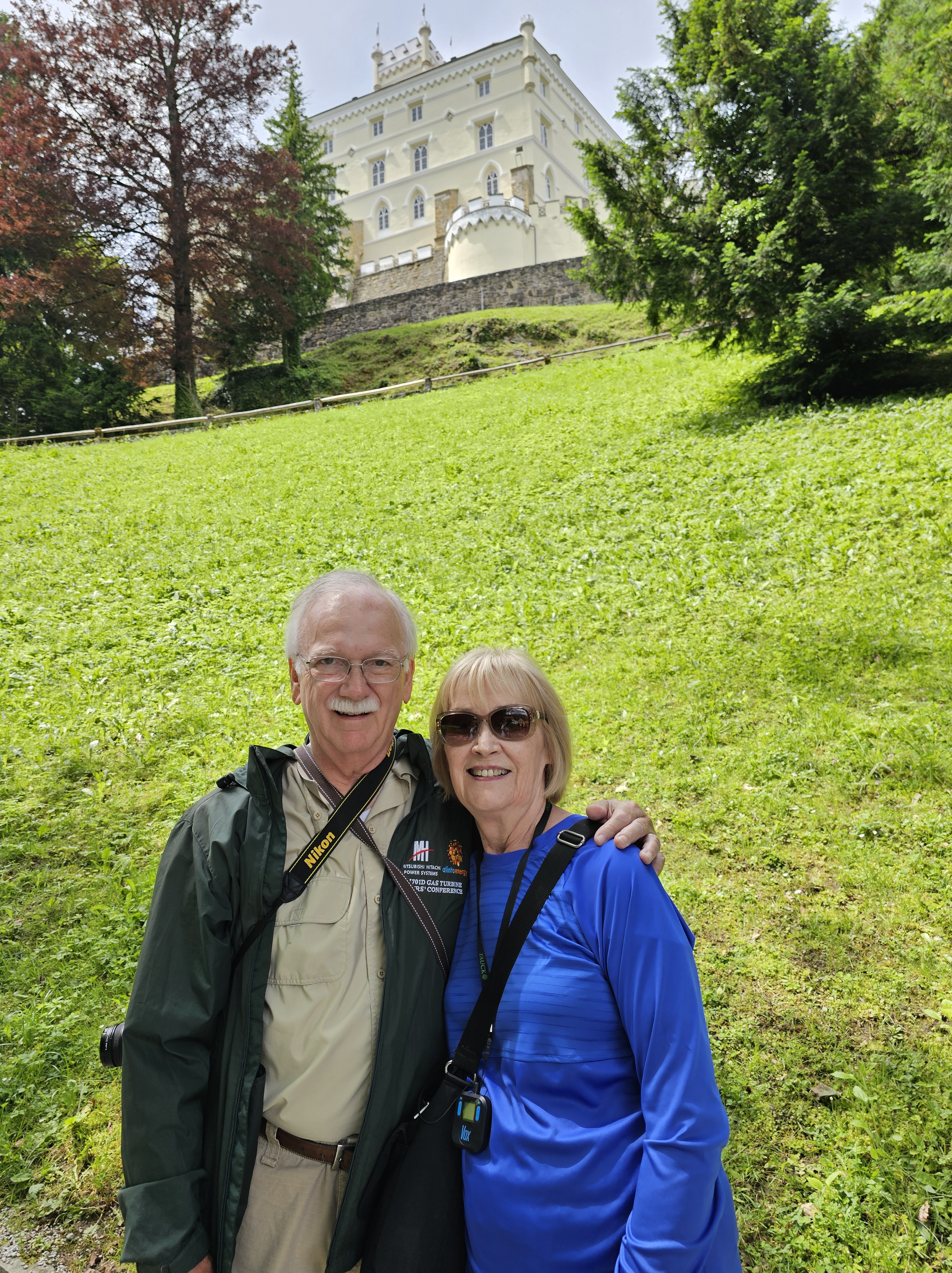
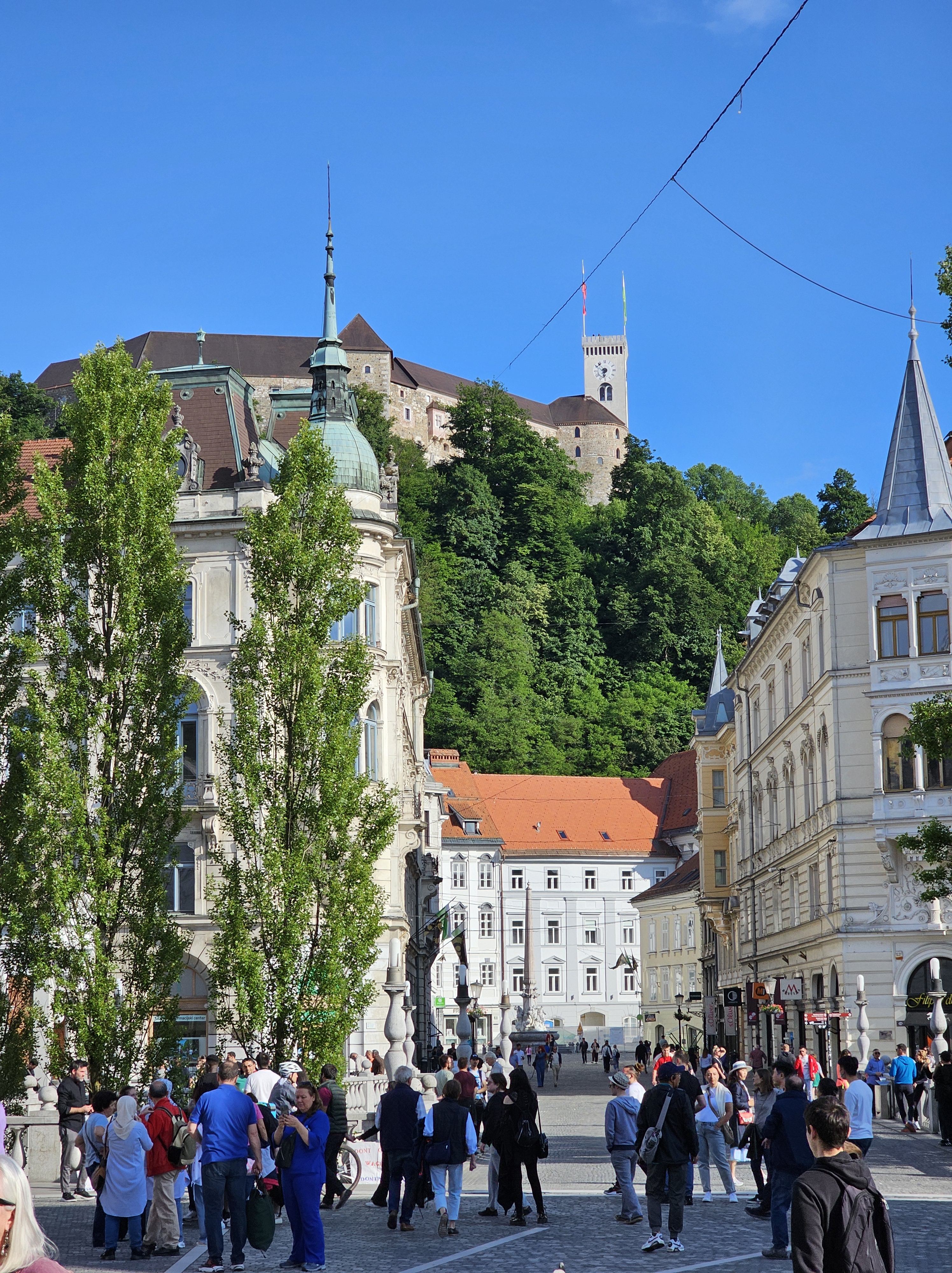
On Day 9 we visited Trakoscan Castle, one of the best preserved castles in Europe, and travelled across the border to Ljublana, the capital of Slovenia. John was last in Ljubljana in 1978 on a business trip. It has changed a lot from the Communist times….. On Day 10 we toured Ljubljana and drove to the nearby Slovenian Alps for lunch, a gingerbread demonstration in Radovljica and a visit to nearby Bled Castle.
On Day 11 we left Ljubljana and toured the spectacular Postojna Caves. After that we went to the family-run Prodan truffle farm to learn all about truffles, meet the truffle-hunting dogs and have a truffle-laden lunch
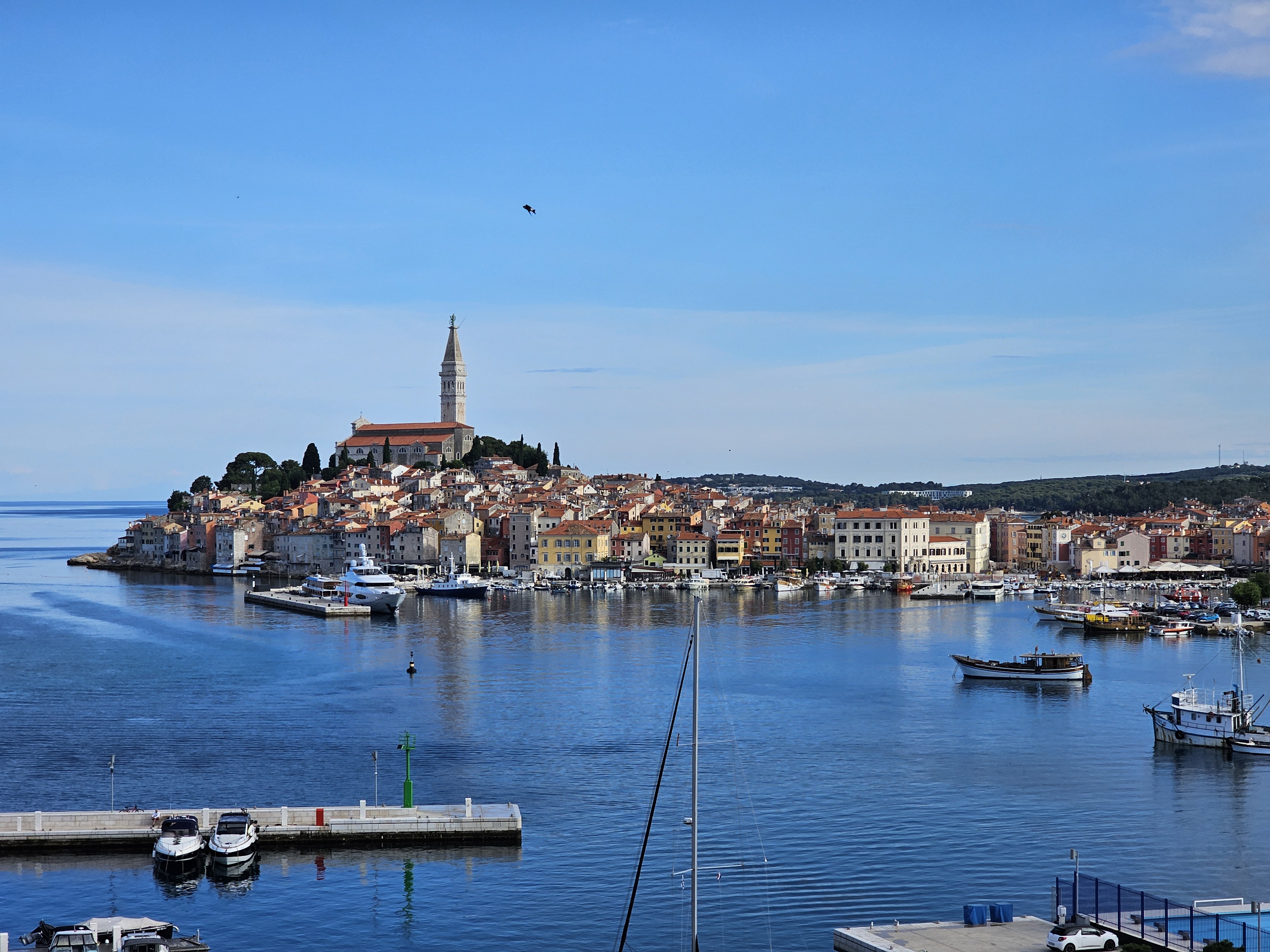
That evening we arrived in the lovely seaside town of Rovinj to spend the next two nights.
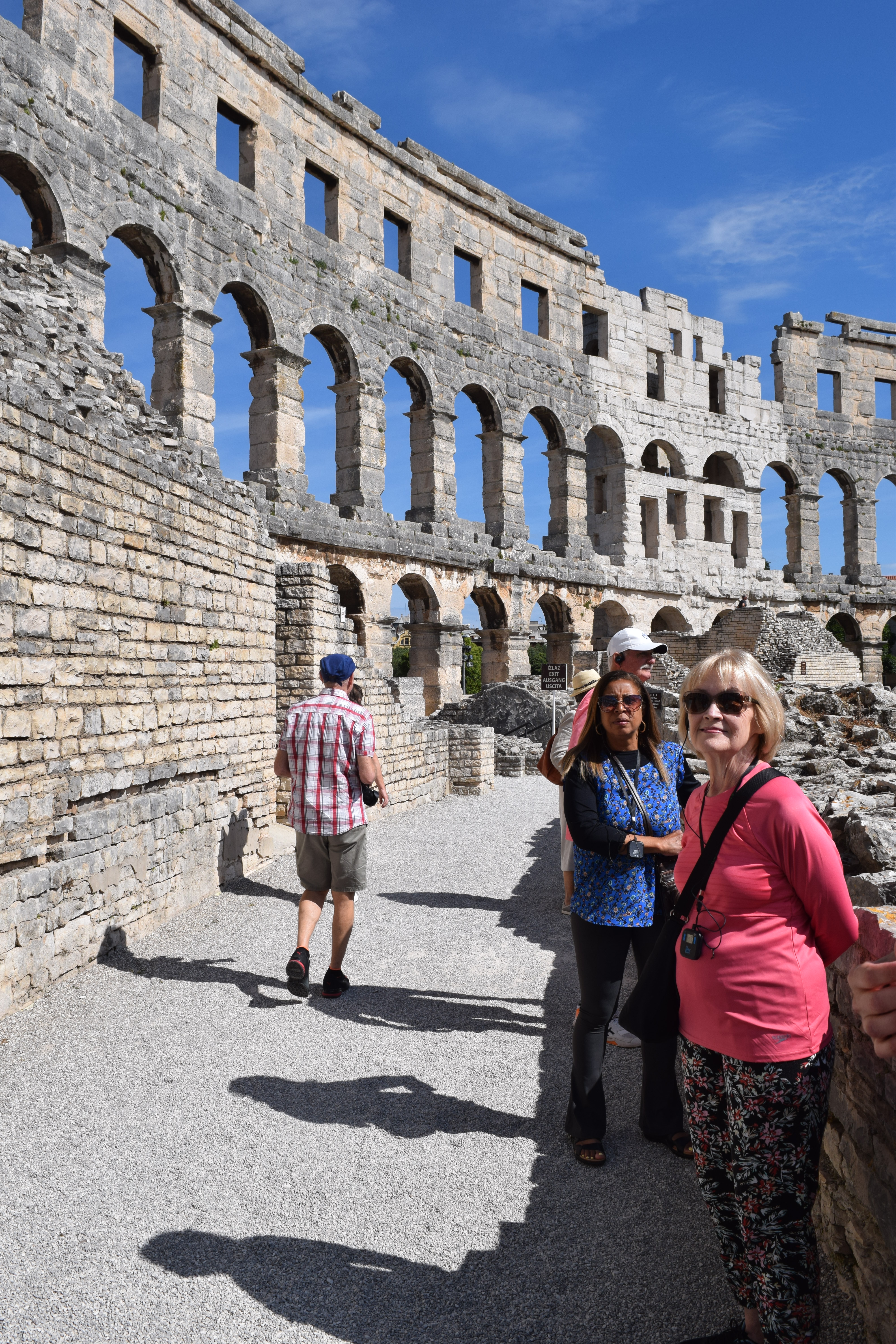
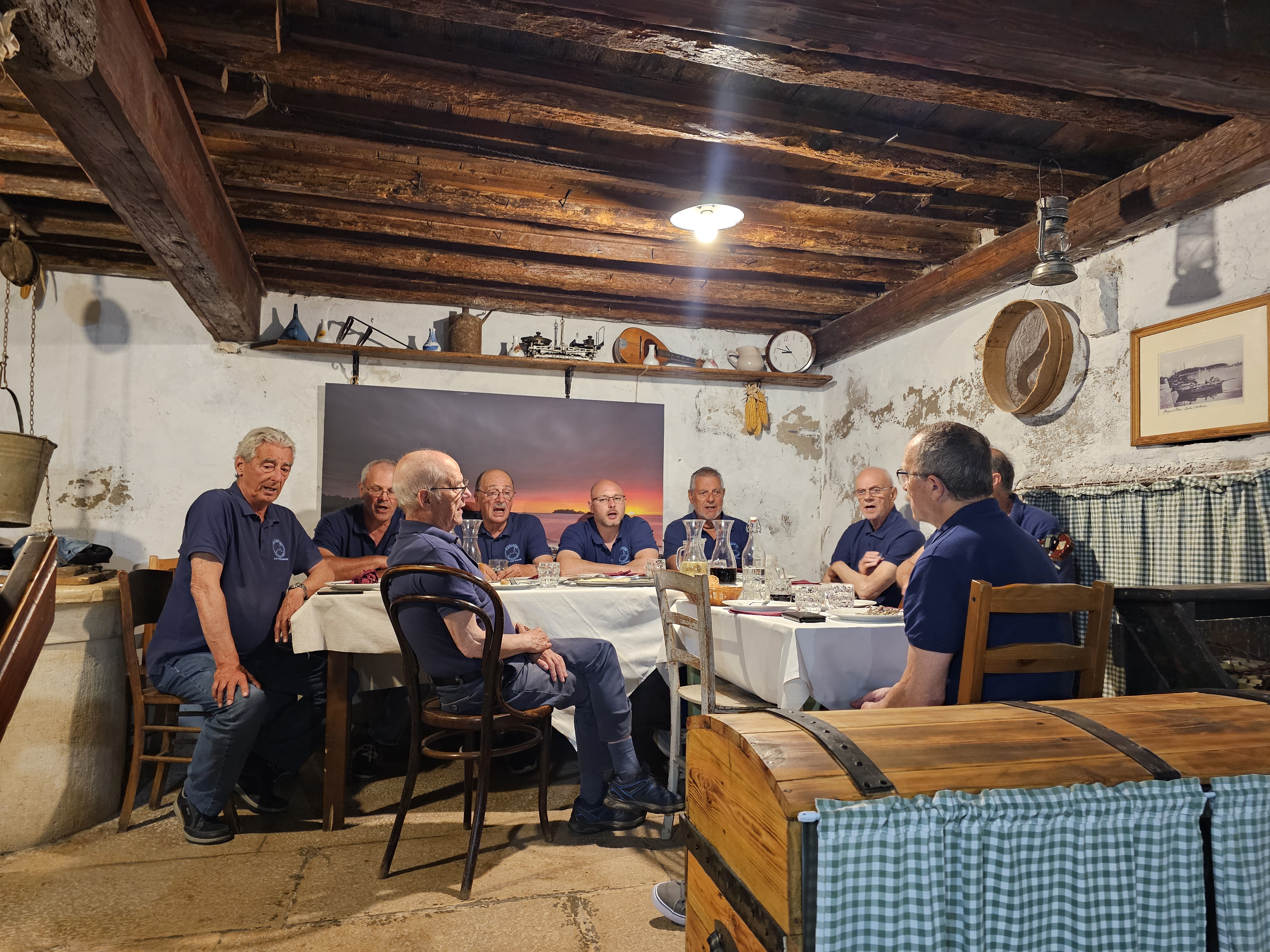
On Day 12 we toured the well-preserved 2000 year old Pula amphitheater which was the prototype for the Coliseum in Rome. Dinner was at an old fisherman’s tavern in the old town of Rovinj.
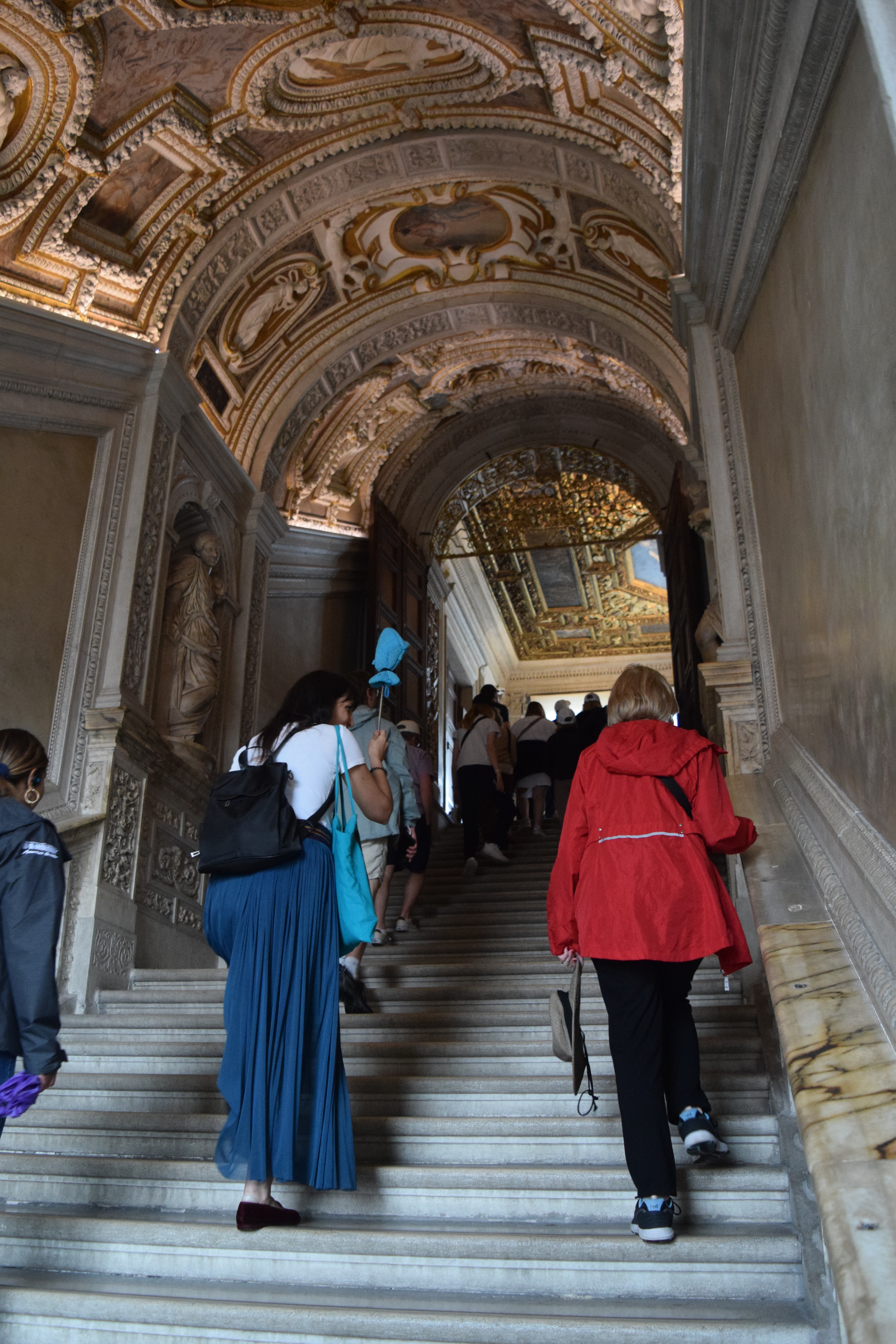
On Day 13 we entered Italy from Croatia and arrived in Venice. Venice was a relatively independent Christian republic for 1000 years from the 8th to the 18th Centuries, nominally connected for most of that time to the Byzantine Empire in Constantinople (Istanbul) after the fall of the Roman Empire. We visited the Doge’s Palace and, as recommended, got lost walking around the city. The old part of Venice basically has no surface roads and transportation is all by boat or by walking. It is built on 118 islands in the lagoon and has 400 bridges. We stayed in the Hotel Metropole, a building dating from about 1300 which has been a hotel for over 500 years. It was also the location of Antonio Vivaldi’s oratorio where he taught music and wrote many of his masterpieces in the early 1600’s.
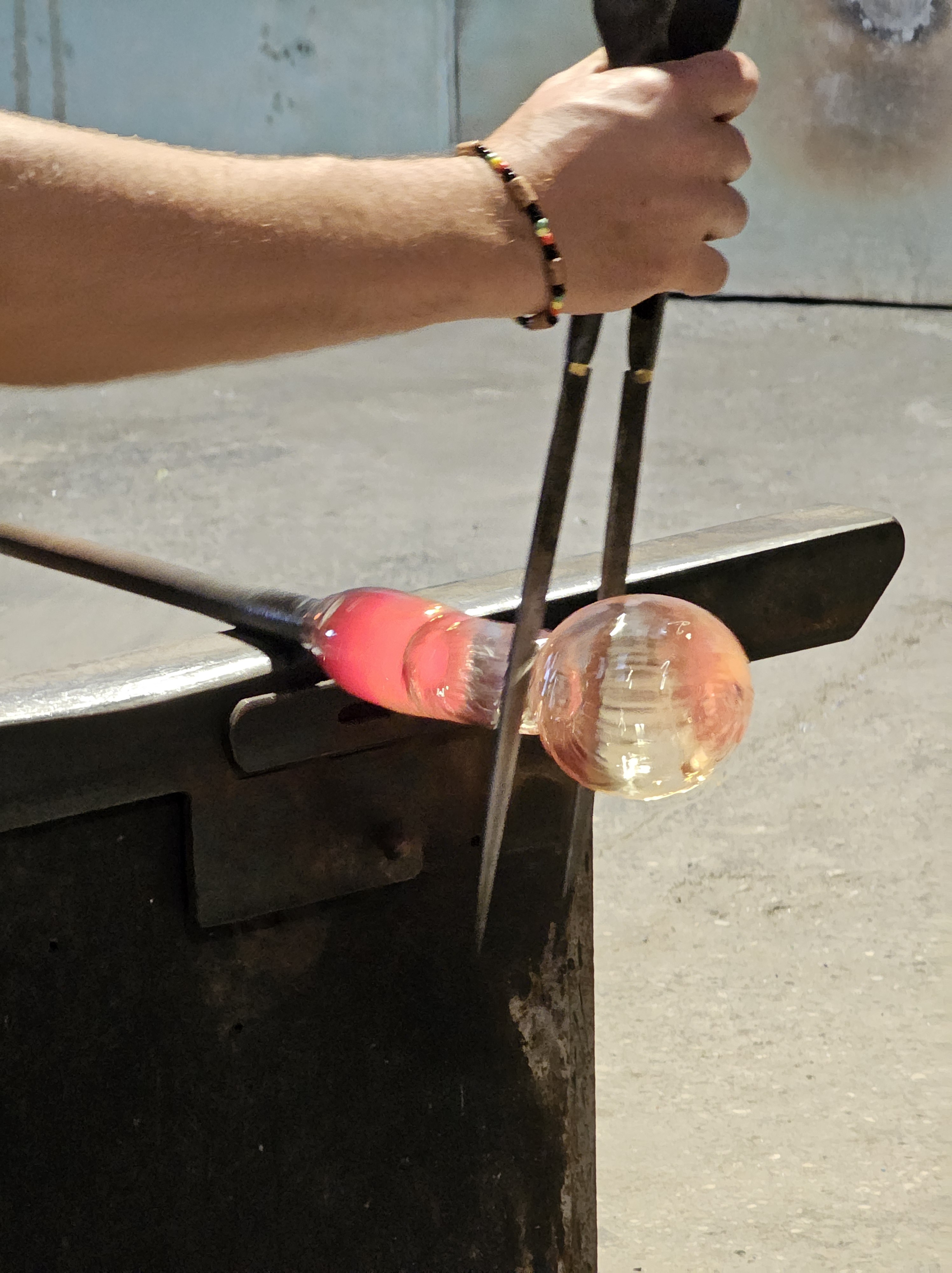
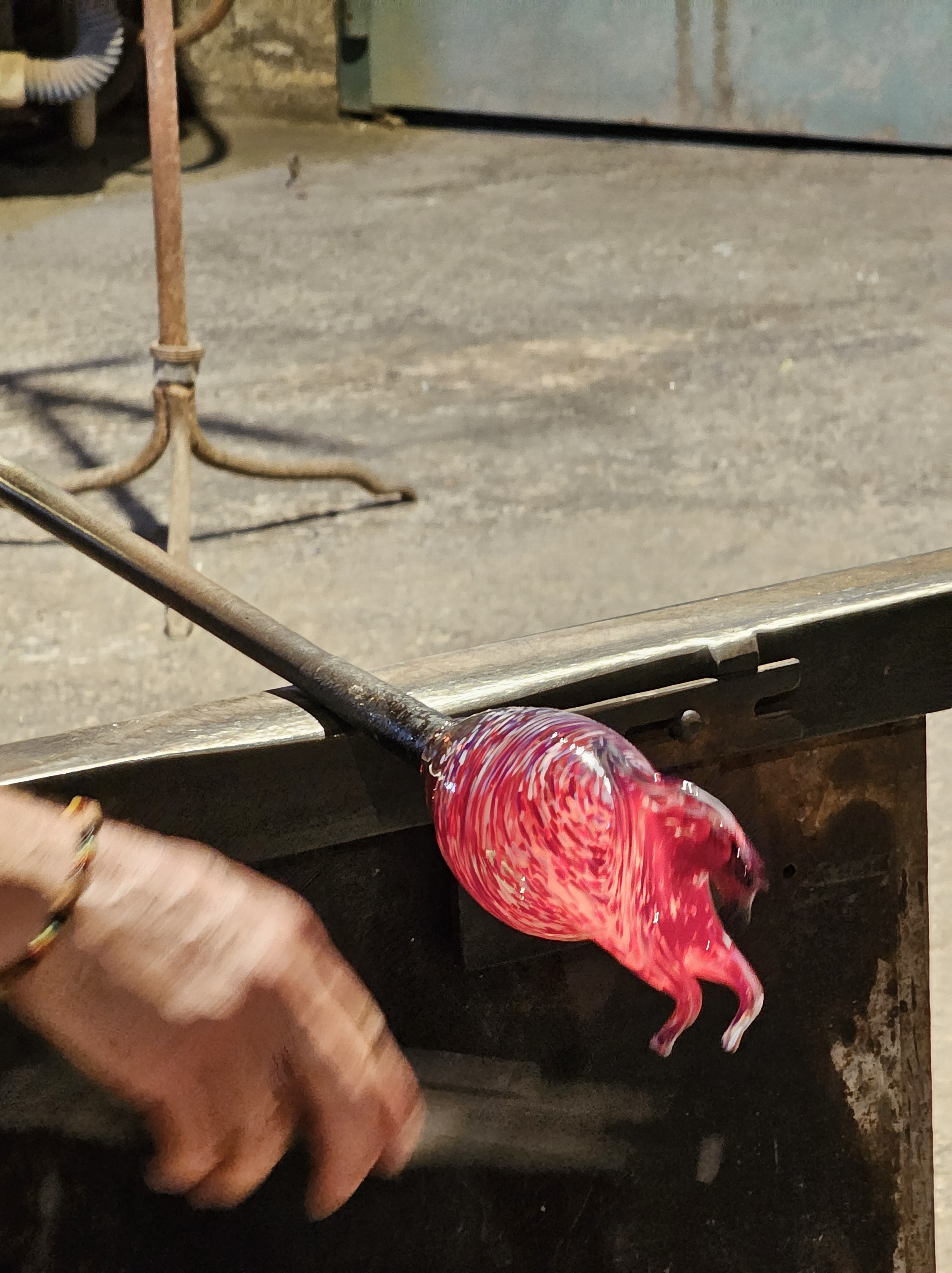
The next day we travelled by water taxi to two nearby islands. Murano is the center of the famous Venetian glass-making industry, moved there at the Doge’s order in 1291 to get the furnaces away from the mostly wooden buildings on the main islands. We had an amazing demonstration of the glass-making process and saw some spectacular glass products. The second island was Burano, center of the Venetian lace-making industry. Both were less crowded with tourists than the central islands.
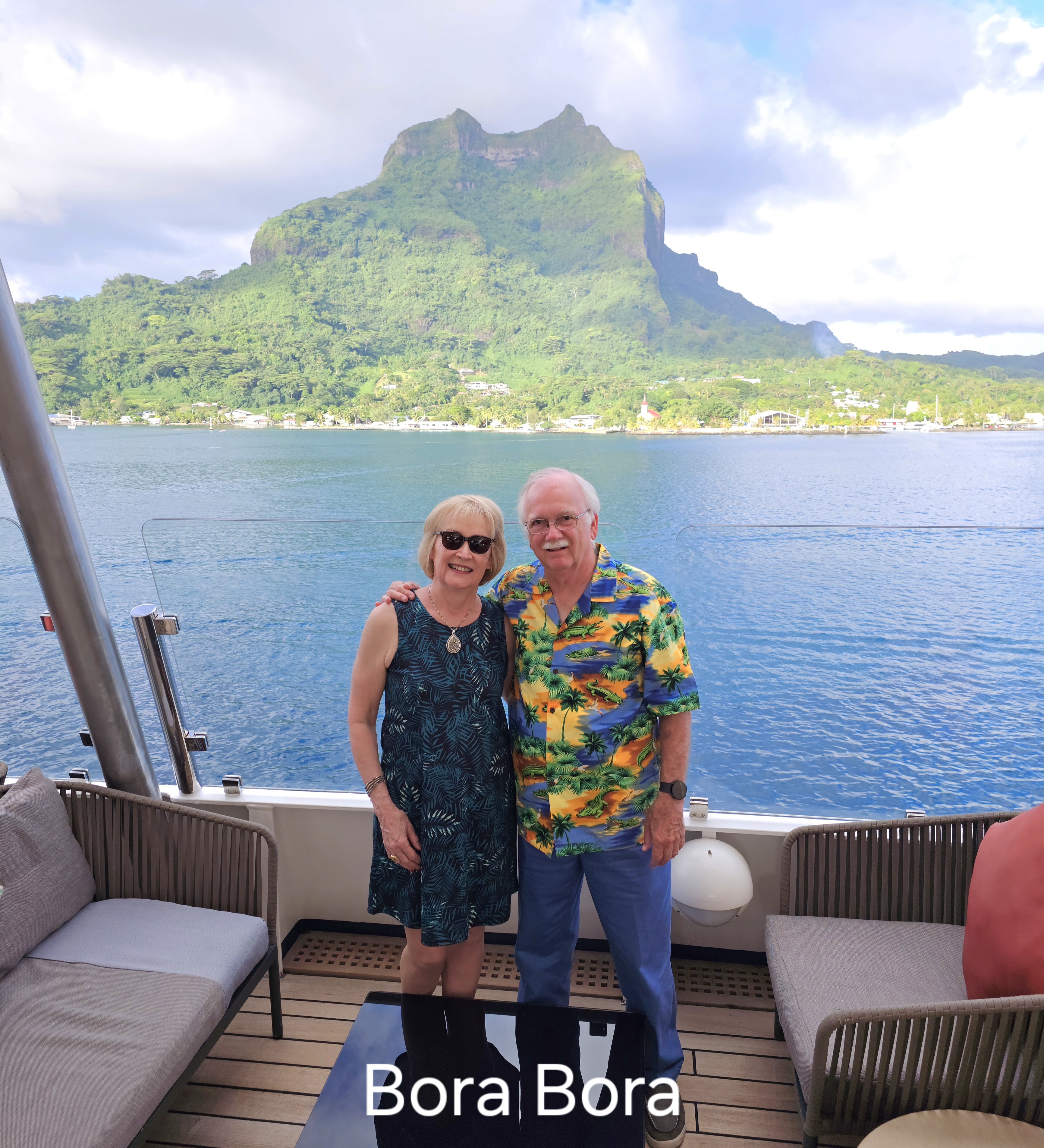
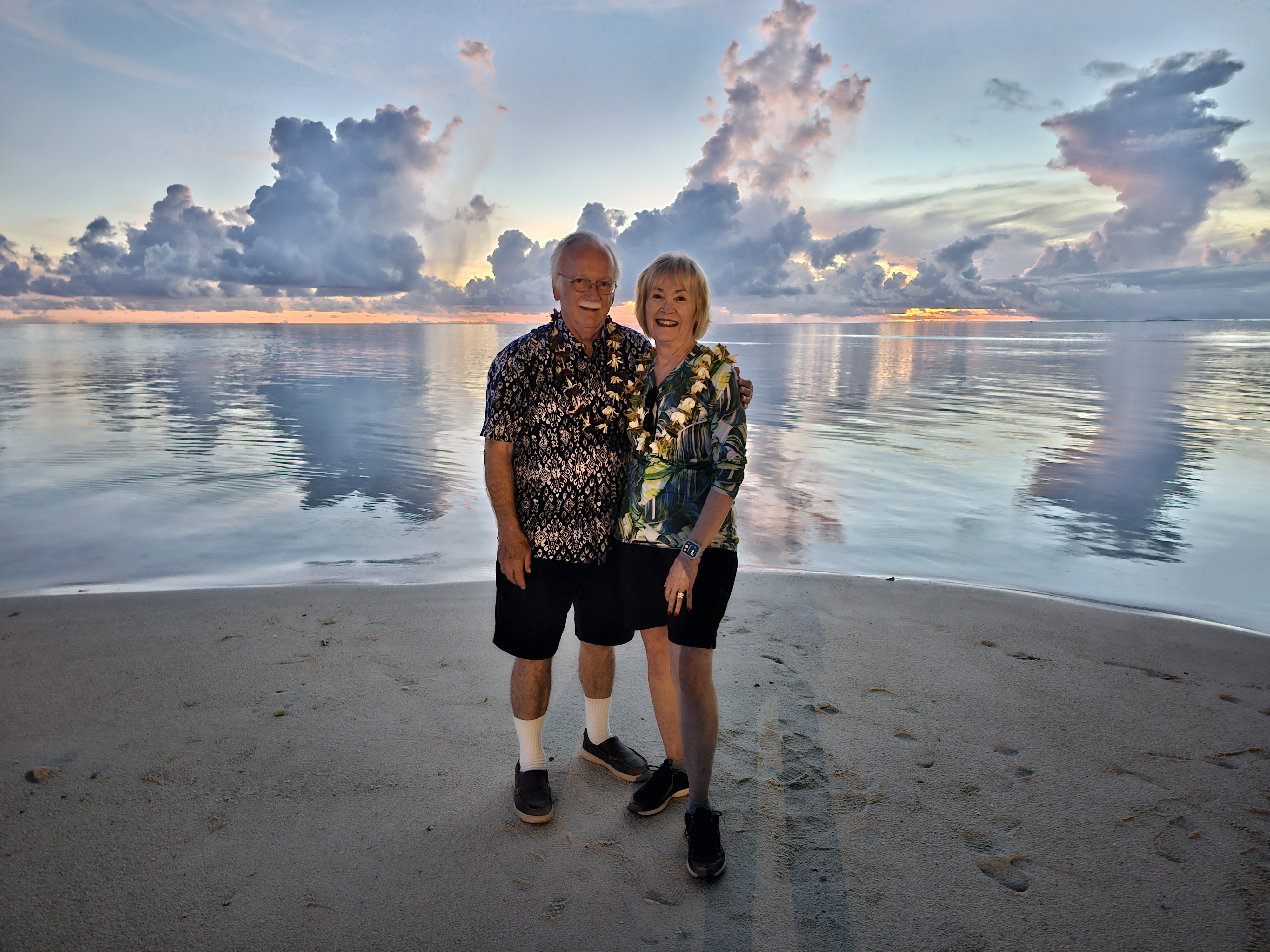
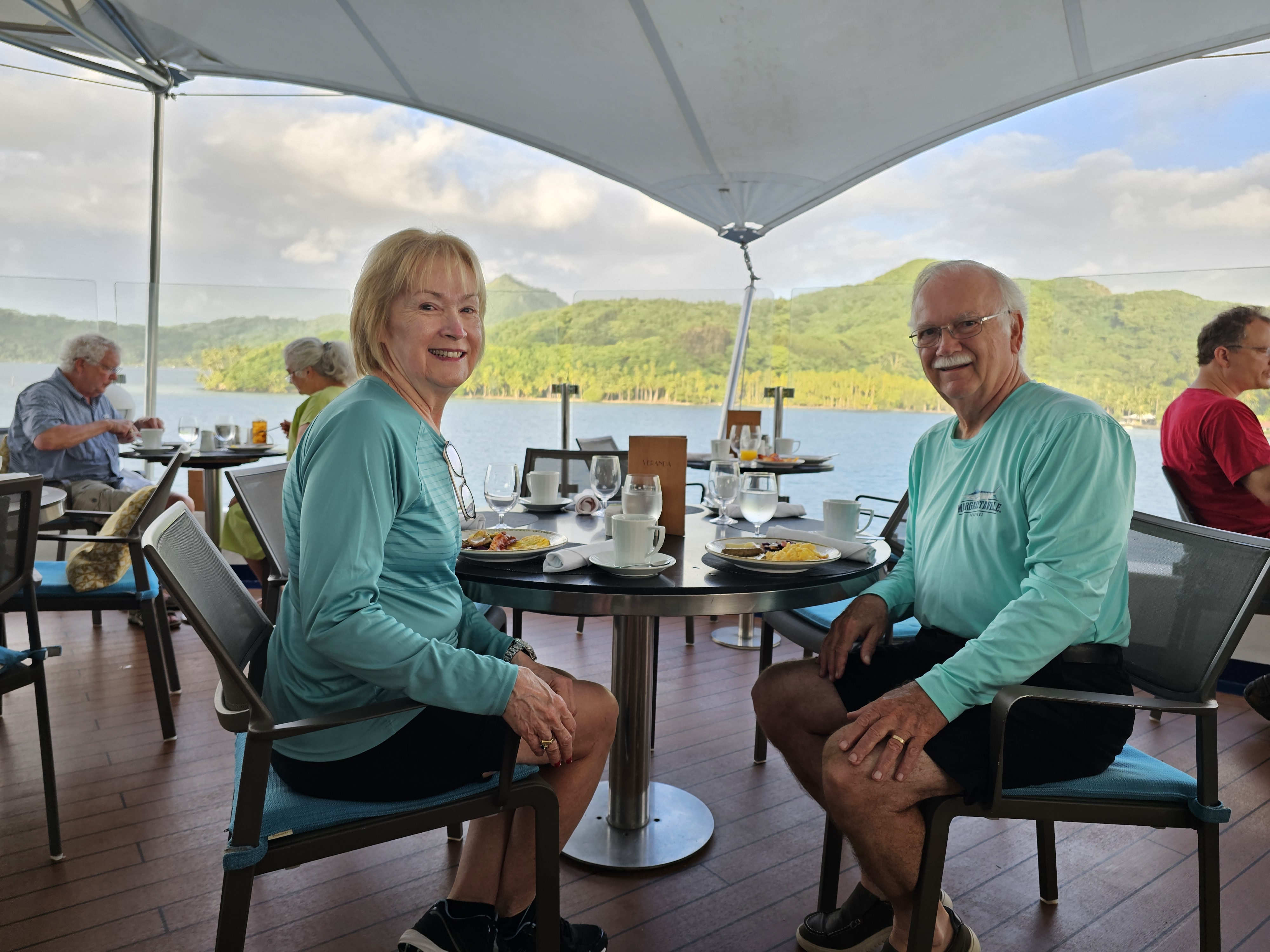
In March and early April we travelled to French Polynesia for a small-ship cruise to 8 islands in the South Pacific
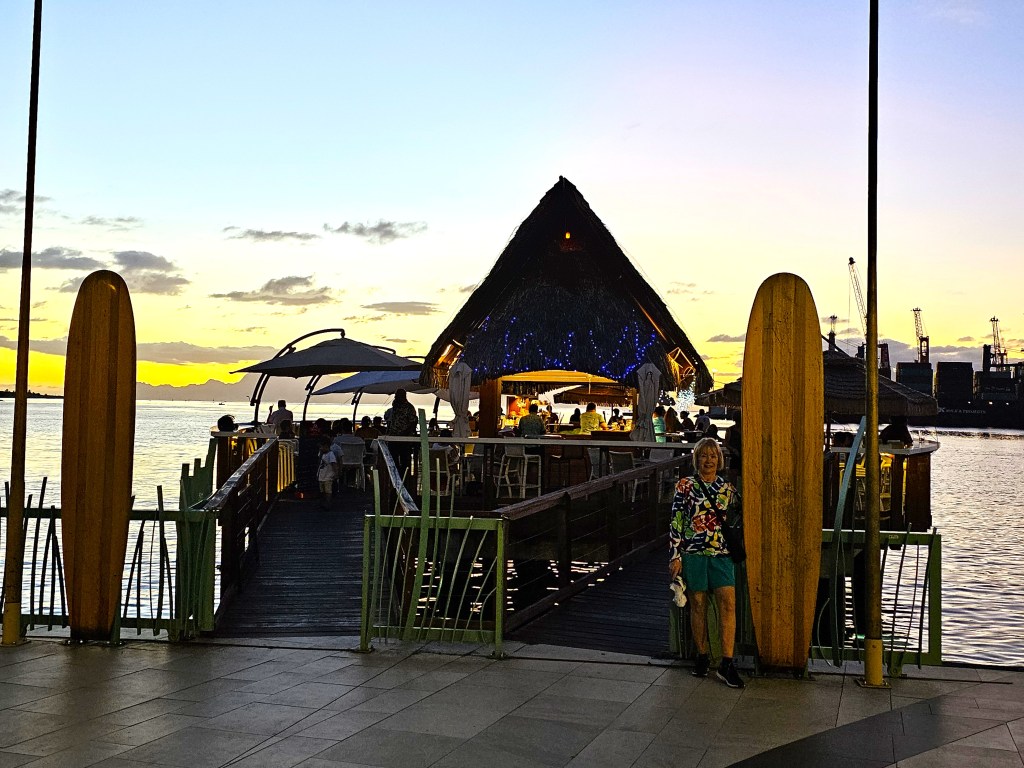
We started out in Papeete on the island of Tahiti and did quite a bit of walking the first two days. After confirming that they speak French there, we tried to get recalibrated to French. First immediate affirmative reaction to a question was “si”. Second was “hai”. “Oui” came out third, so we had to work on that. We boarded the Sea Breeze in the afternoon of the second day and set sail at 6 PM as the sun was setting.
Tiki Bar on Papeete HarborSetting Sail into the Sunset
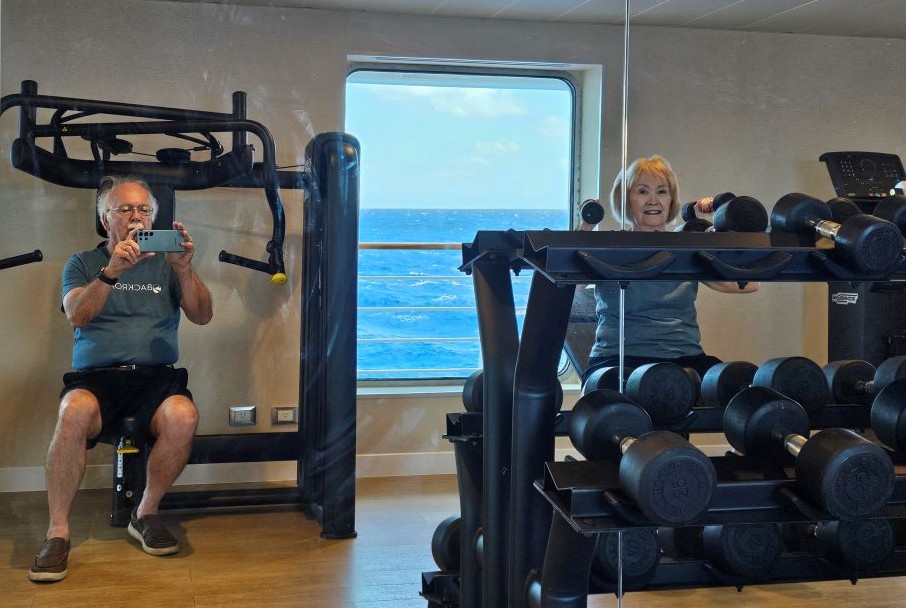
Day 3 was at sea all day. It took about 30 hours of sailing to get to our first destination, the Fakarava atoll. The sea was fairly rough, so walking was a little wobbly. The planned 1 mile power walk around the top deck was cancelled because the deck kept moving. Wanting to get at least some token exercise, we used the gym.
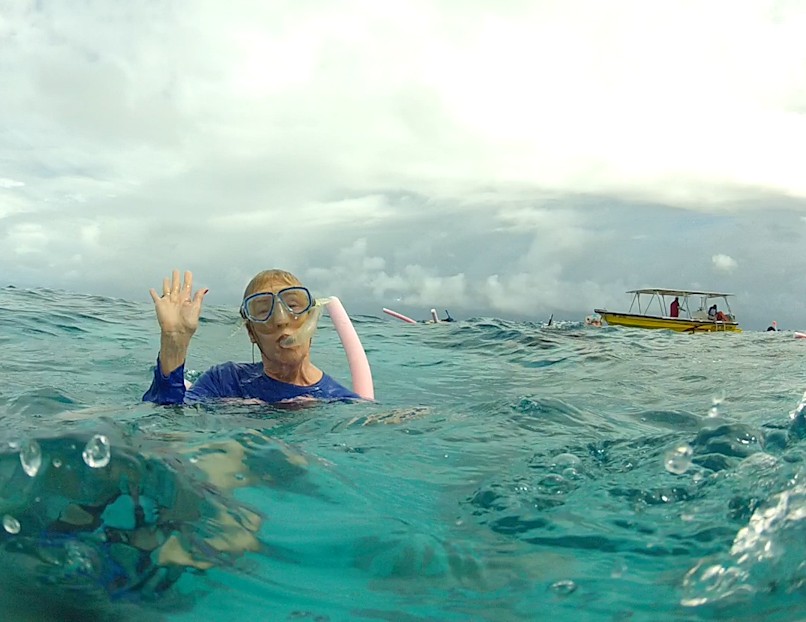
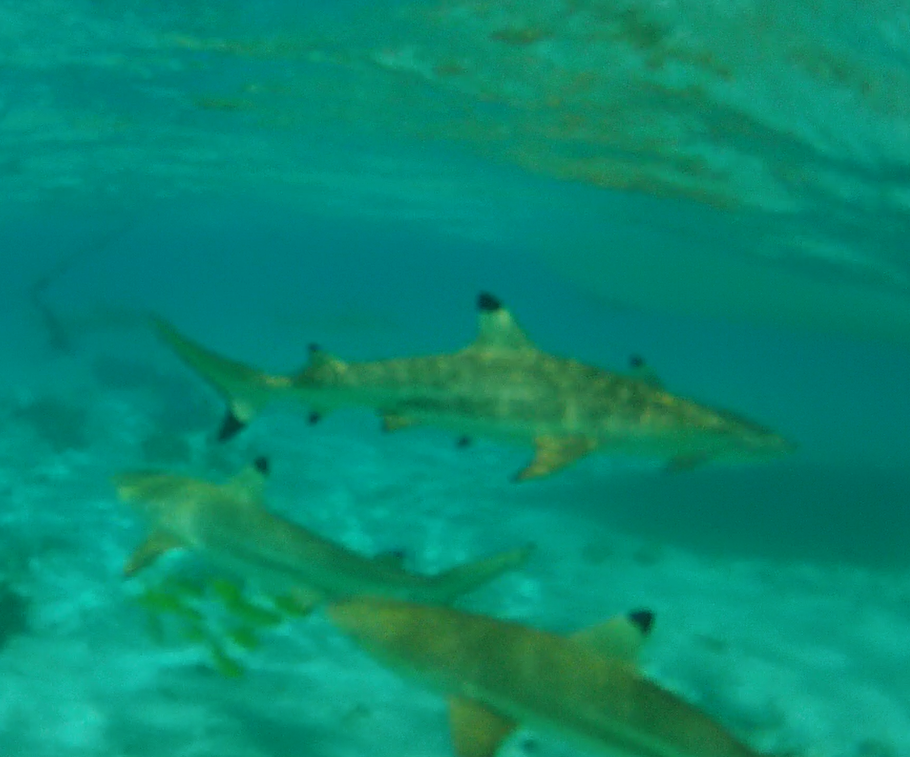
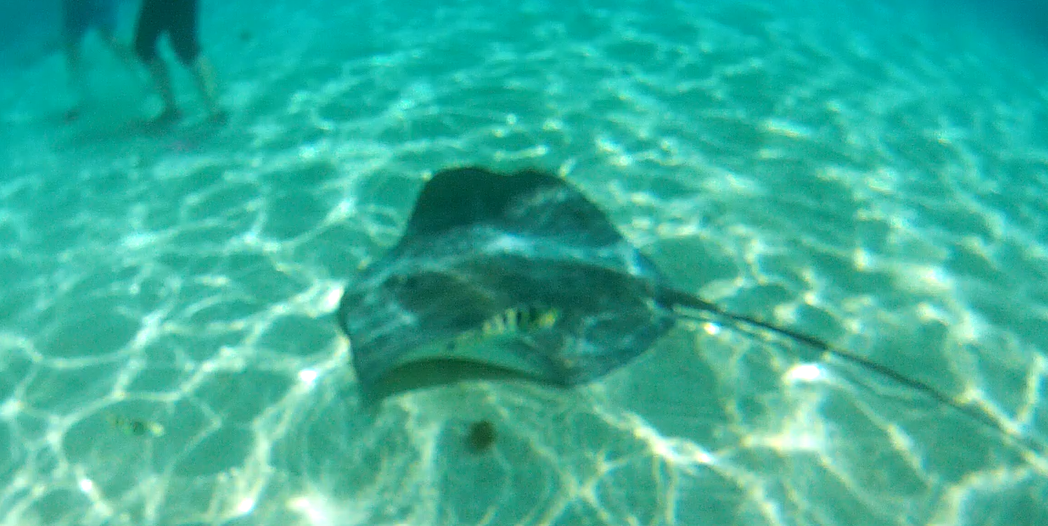
Starting to get the relaxed vibe of the islands, we stopped at Fakarava Atoll and Rangiroa Atoll. Both are classic examples of an older atoll, where the formational volcano has completely collapsed back into the sea and all that remains is a ring of coral reef with a few palm trees, a few people and a big interior lagoon, often several hundred square miles in extent. Both days we anchored inside the atoll, so the water was relatively calm and good for snorkeling. John snorkeled three times, one a drift dive in the open ocean outside the entrance pass, and Paula two times in the lagoons.
We snorkeled almost every day and were amazed every time at what was under the surface of the water.
Lots of good experiences:
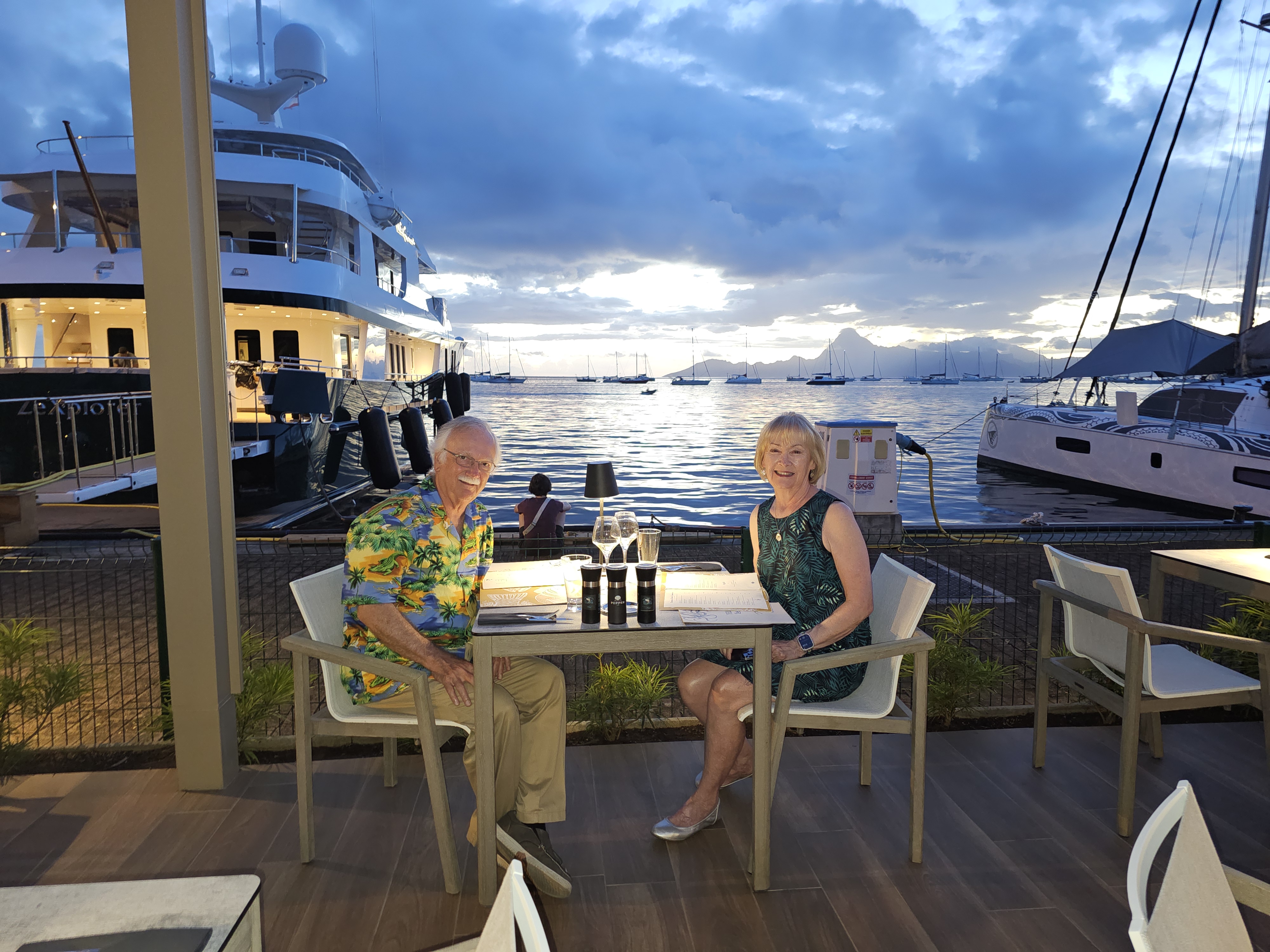
After 11 days we disembarked our yacht the Sea Breeze back in Papeete. We stayed in Tahiti two more days waiting for a suitable plane connection home. Paula found an Air BnB that is a cute little bungalow on the water, close to the airport but hidden behind a McDonalds and a Mobil Station. Took us a while to figure out how to get in. It had a covered dock that we sat on, using our devices and gazing out at sailboats and Moorea, the next island to the west that we had visited the day before. We found a nearby marina restaurant that had the same view.
We returned home after two weeks. A trip we would heartily recommend.
2023 was a pretty good year for us. We were healthy most of the year, did a lot of walking/hiking and finally felt comfortable going back to the gym after an absence of over 3 years, trying to replace some body fat with muscle mass.
We travelled a fair amount. International destinations included Italy, Sicily, Malta, Cornwall/UK and Turkey. Domestic destinations included Savannah, Colorado Springs, St Augustine, Boston once, DC twice and Charlottesville twice.
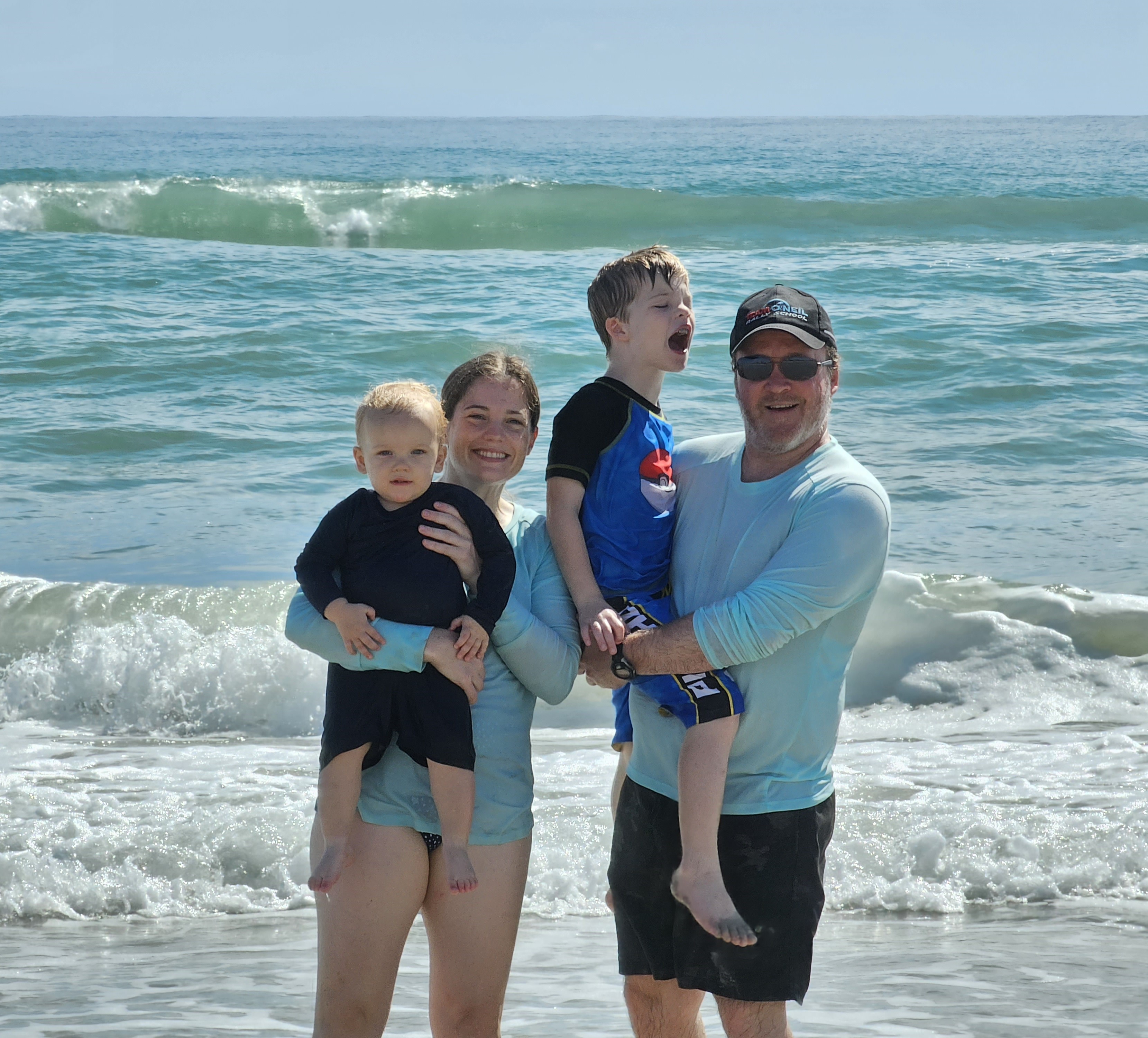
Our immediate family continues to mature and prosper. Stephen and Tanja live near us in Central Florida. Matt and Stephanie are still in the DC area of Virginia and Danielle is in Central Virginia near the mountains. Leon is a teenager now and got taller than both of us this year. Julian is getting close to both of those milestones. Ben is 7 and Jack turned two in late December.
We are continuing at a reducing pace with our consulting activities, coordinating in-person events this year in Orlando in June and Bursa, Türkiye in November.
The family continues to mature and prosper. We didn’t manage to get everyone in the same place at the same time this year for a group picture, but we got to spend time with everybody both in Florida and Virginia.
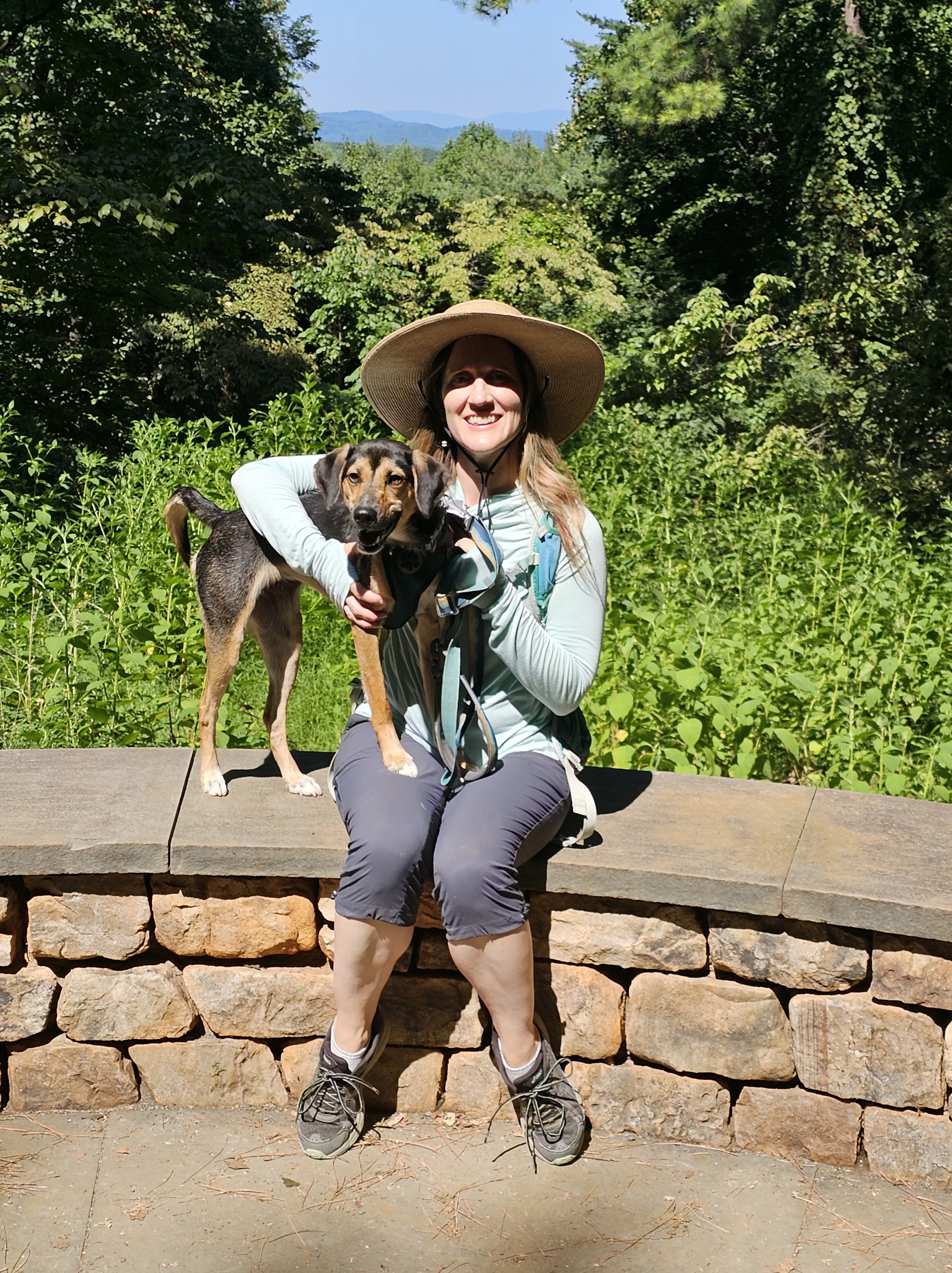
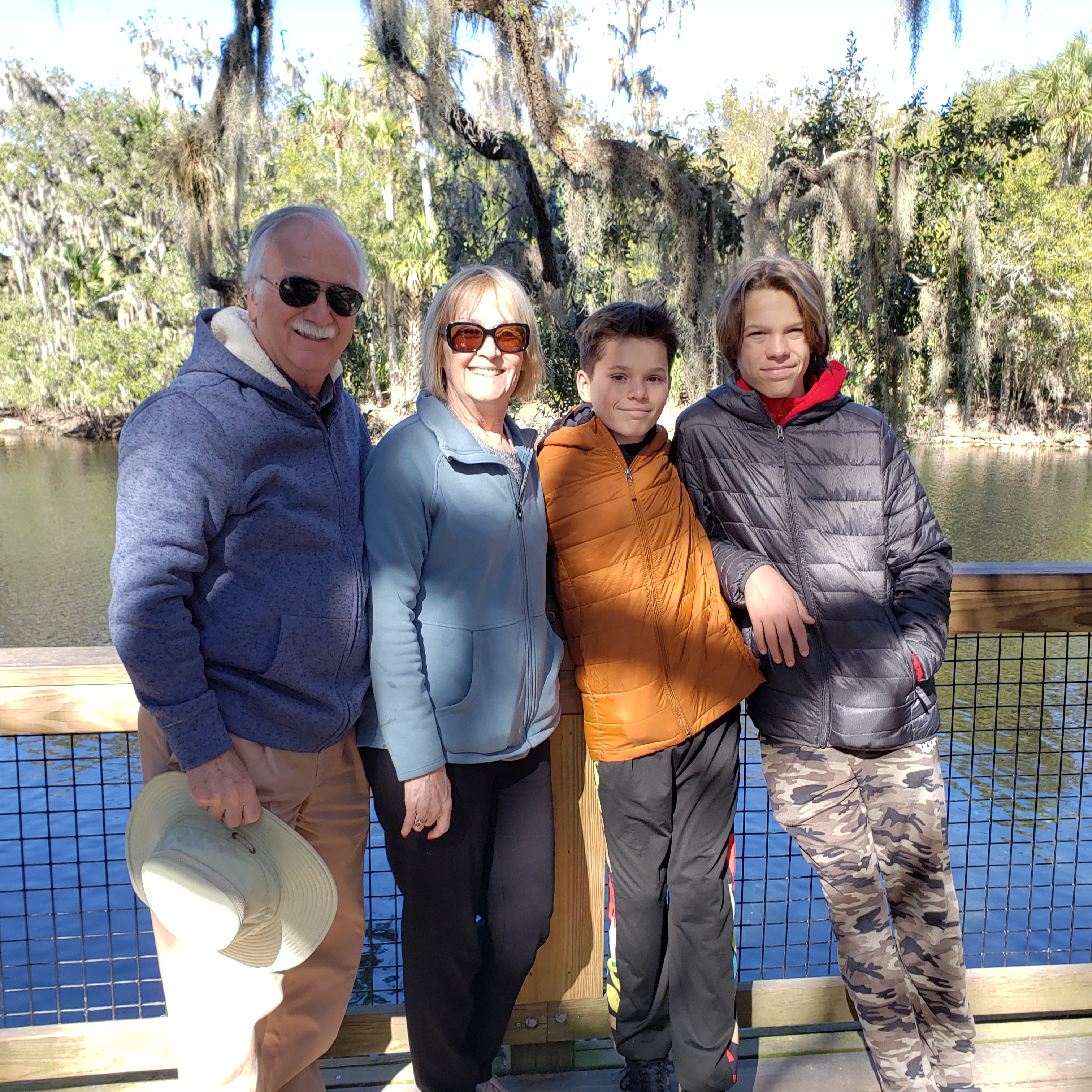
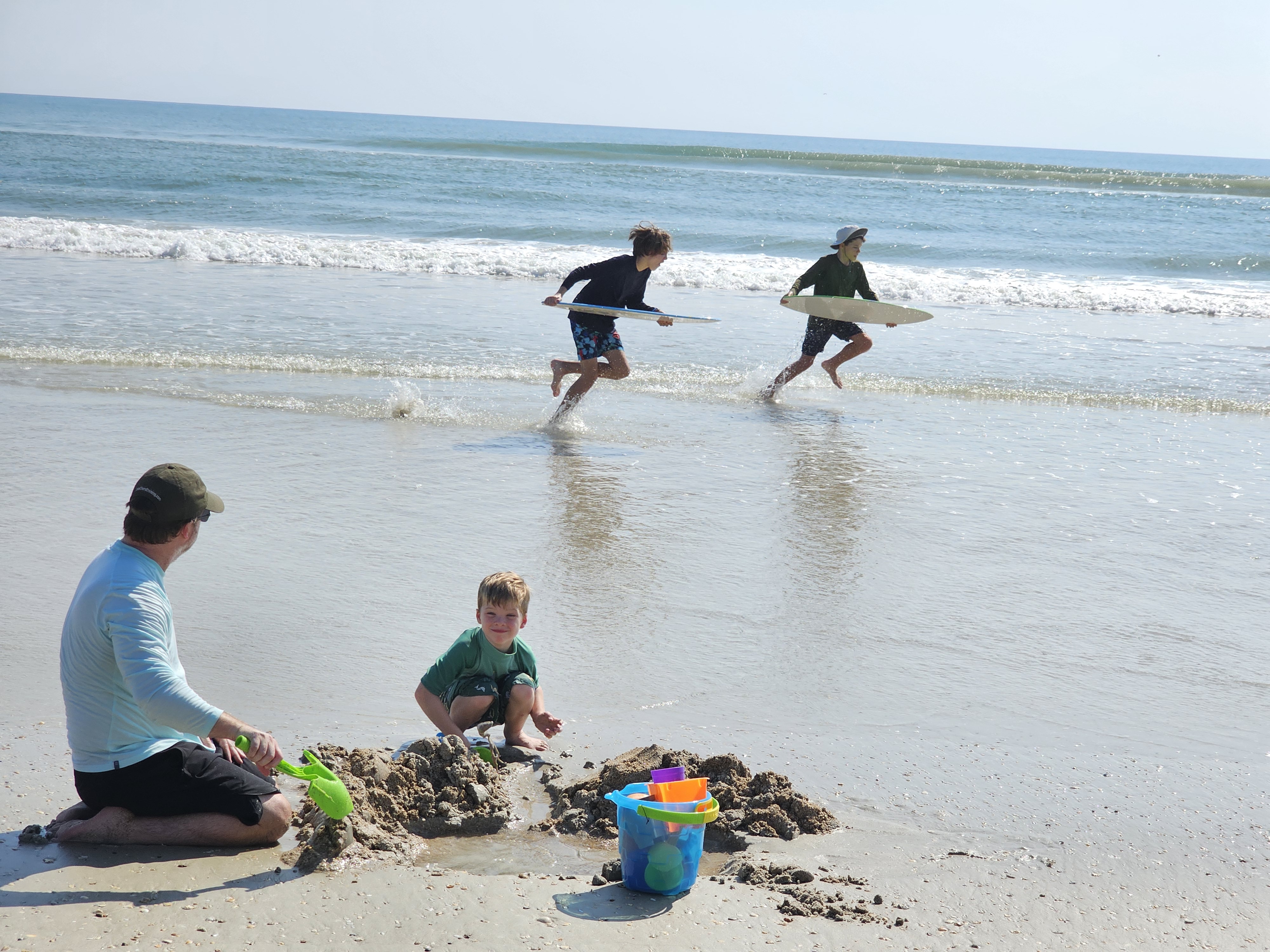
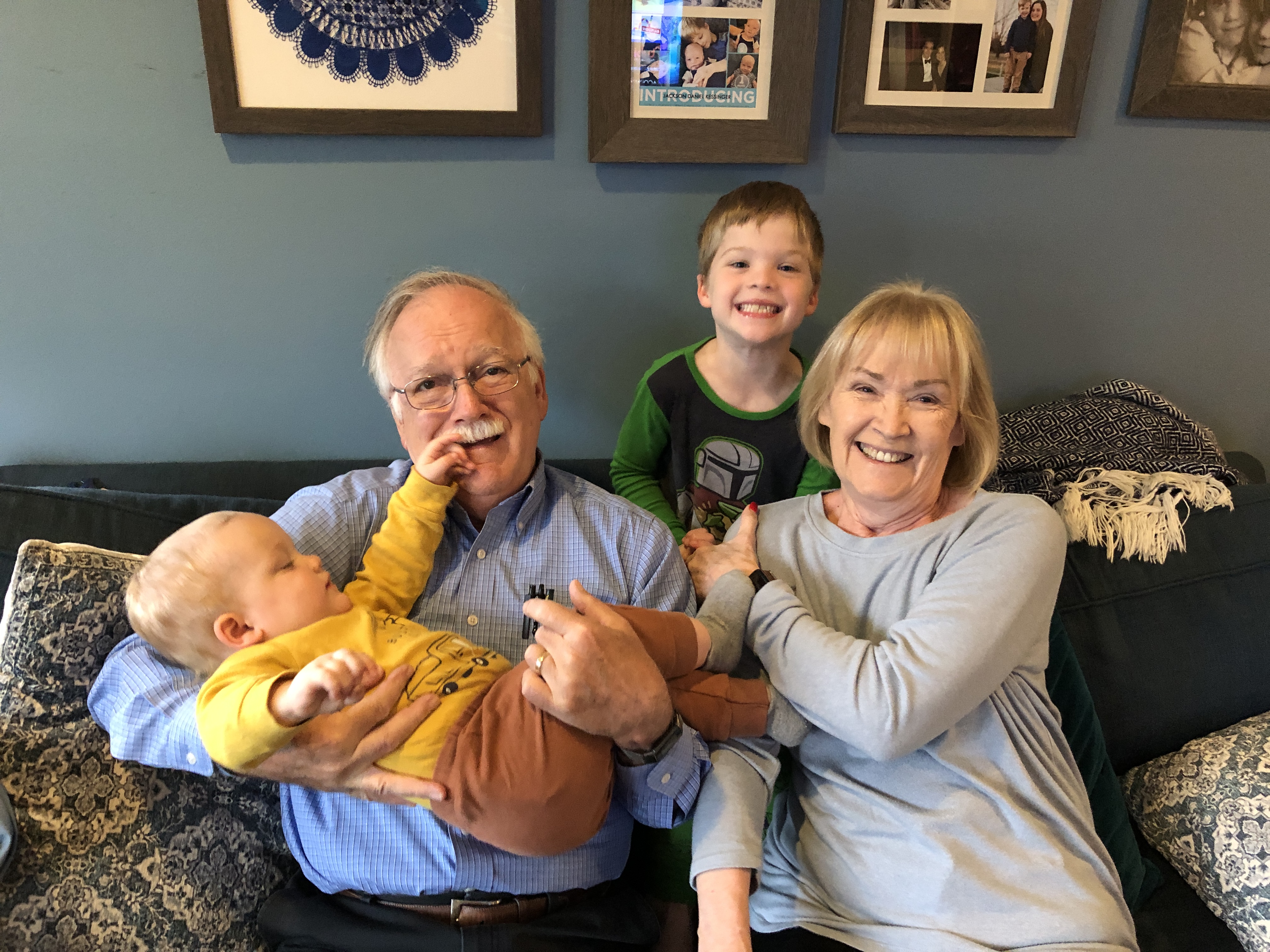
Christmas in Winter Springs:John, Bill, Paula, Leon, Danielle, Julian, Tanja, Lee, StephenMatt, Stephanie, Ben and Jack in New Smyrna Beach, FloridaDanielle and Abby on the Monticello Trail in VirginiaWith Leon and Julian at Blue Springs on the St. Johns RiverBoys on the Beach in New SmyrnaHaving fun with grandsons Jack and Ben
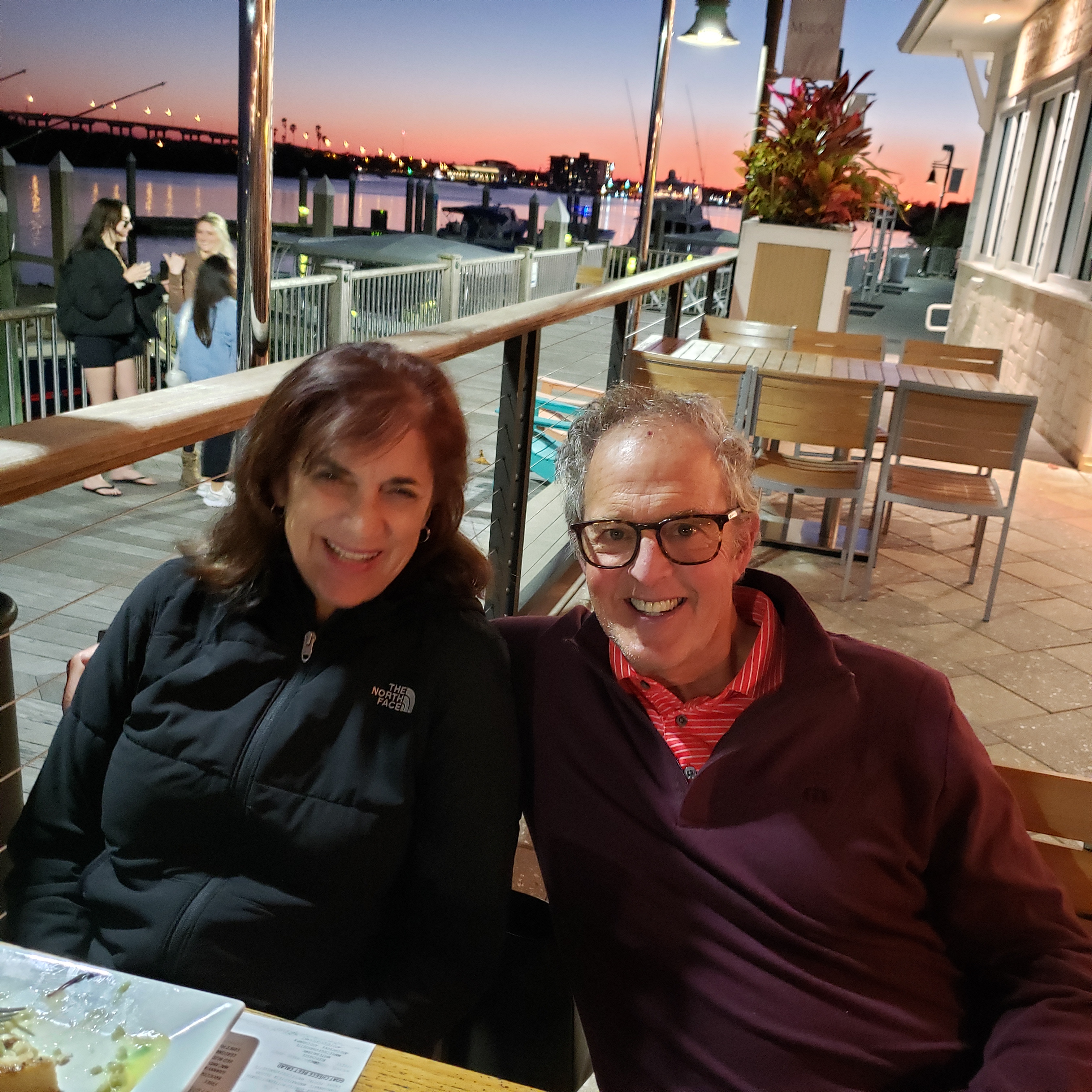
We are always pleased to have visitors, and John’s cousin Kathy and her husband Roy were the first in 2023 to visit us in New Smyrna Beach in January.
Kathy and Royat New Smyrna Beach
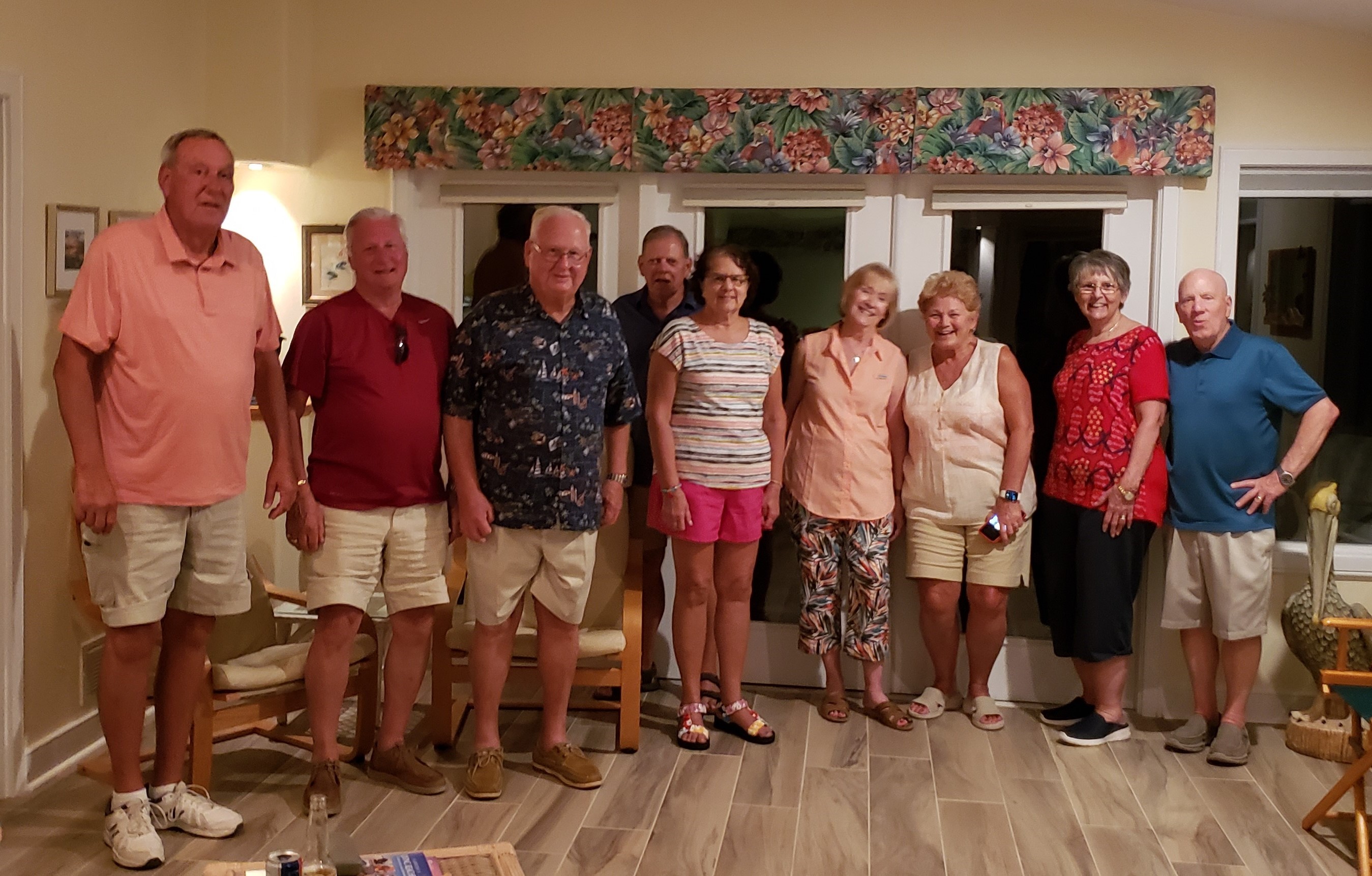
The OFD (Originally from Dorchester) Gang that Paula grew up with visited in May.
The OFD Gang at New Smyrna Beach
Yui, our friend from Japan, her husband Martin and their daughter Mia visited in July.
Martin, Mia and Yui at New Smyrna Beach
We visited Colorado Springs in February to share memories and family stories with John’s cousin Paula and her husband Frank. We also saw John’s cousin Terri and her husband Howard. Sadly, Colorado Paula passed away later in the Spring. We miss her.
Colorado Paula, John and Frank documenting family history in Colorado Springs
Other visits we made included Rotunda West to see Bill and Lee as well as March and August road-trips to Virginia. On the March road-trip we stopped in Wilmington to see Janet and Ben. While we were in the DC area in March we visited Mt. Vernon with Matt and his Army buddy Scott and Scott’s family.
And we visited Florida Paula’s cousins Leslie and Pam in Bristol, UK later in July.
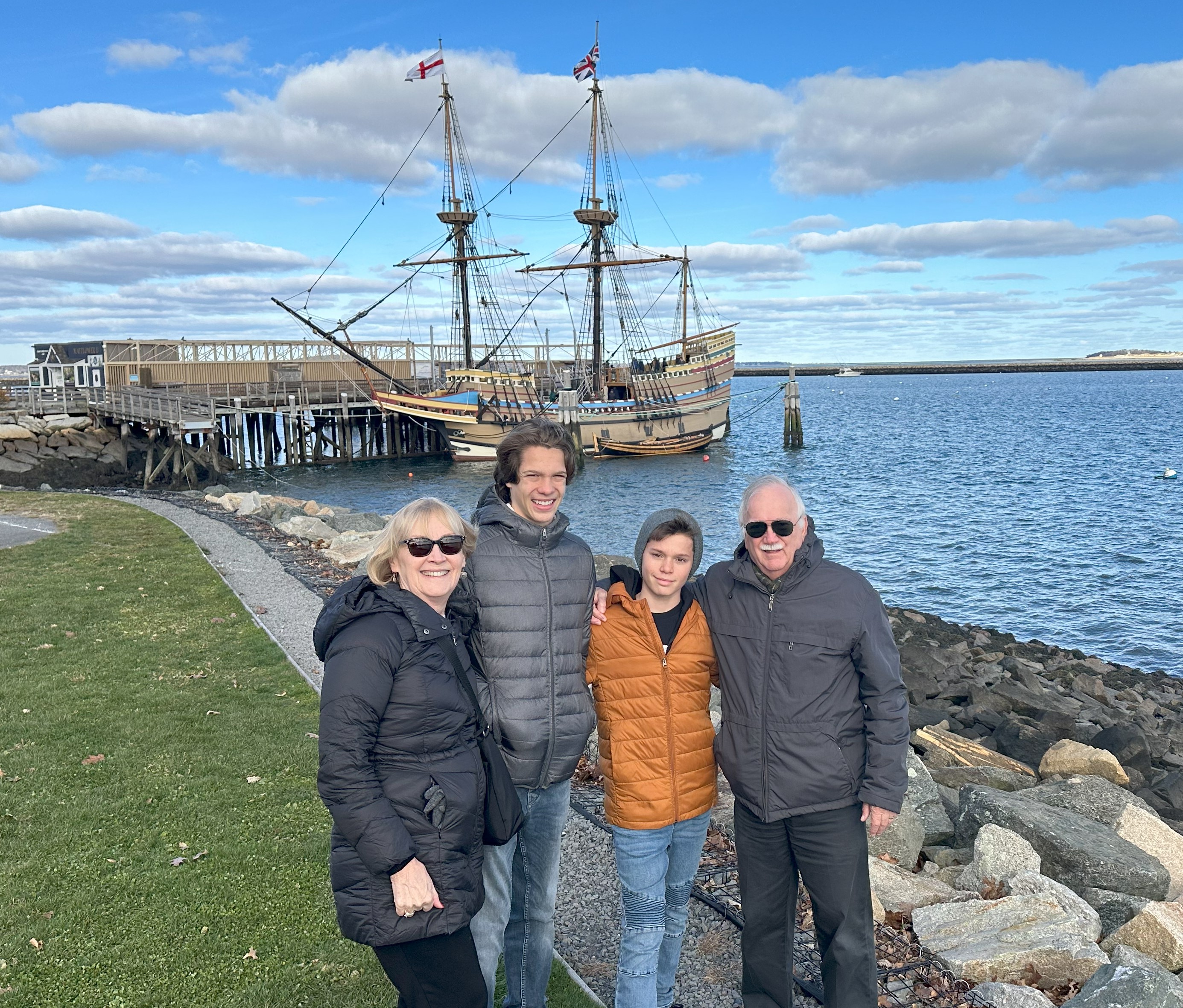
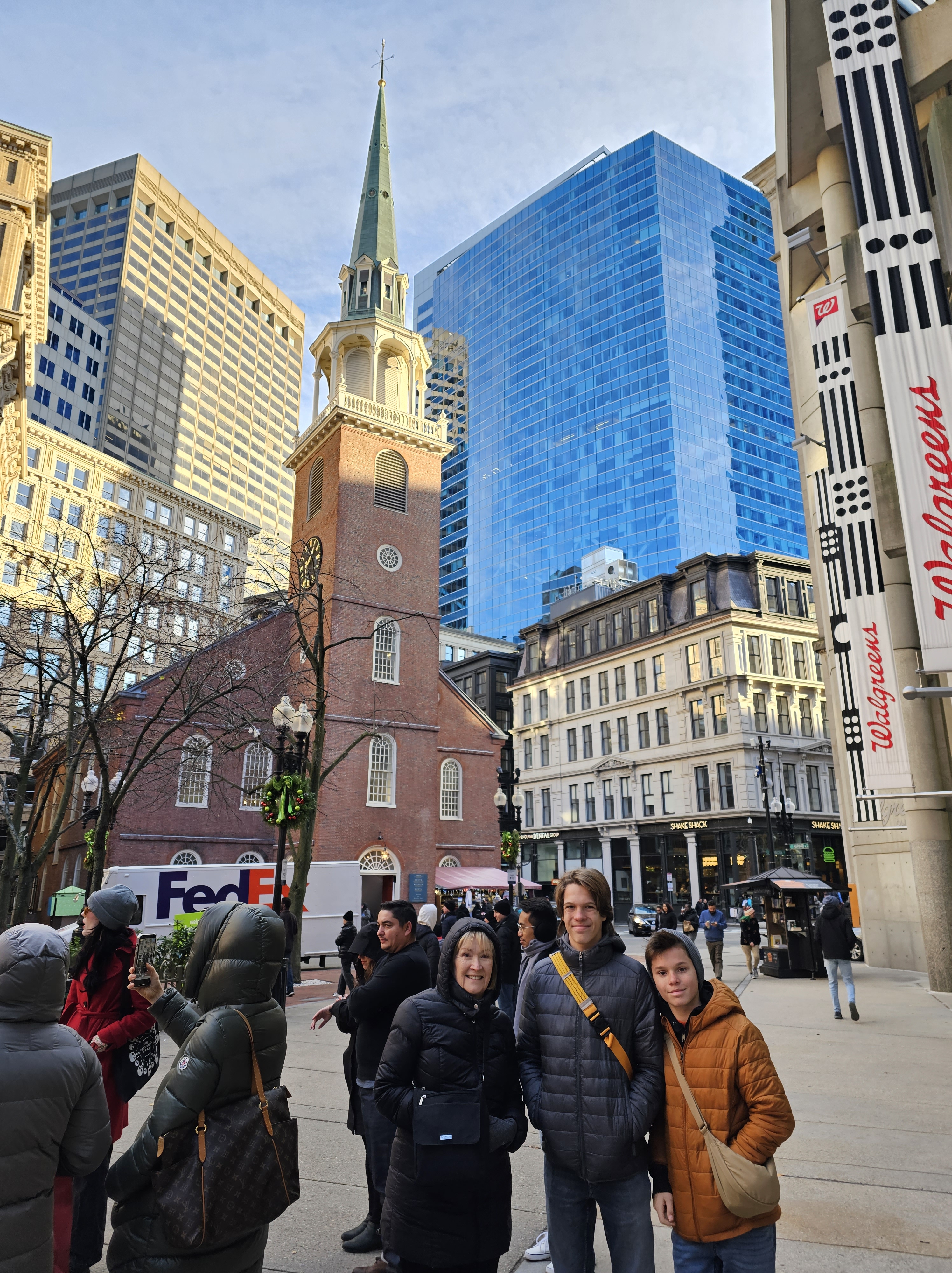
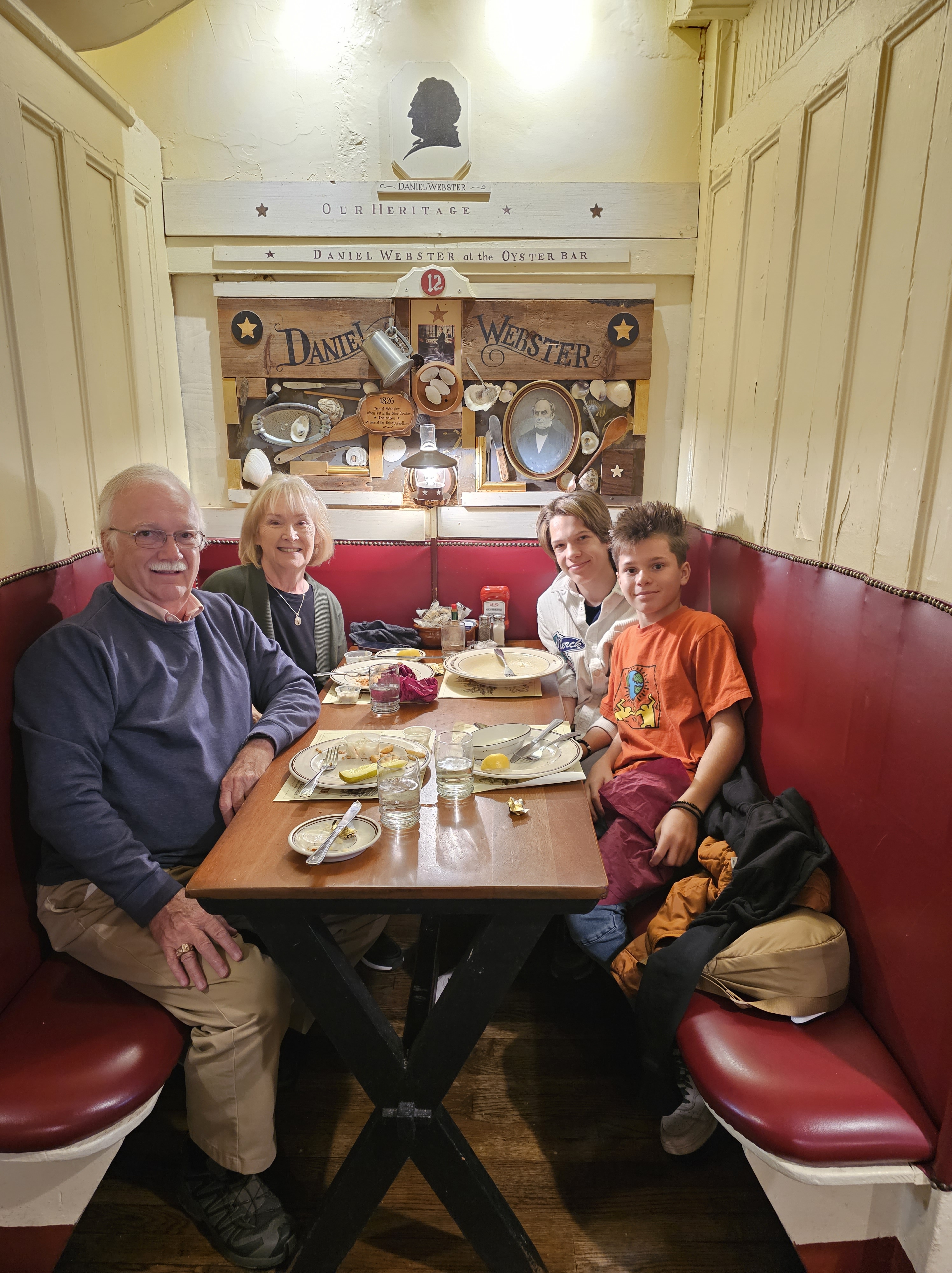
We went with Leon and Julian to Boston for several days around Thanksgiving to explore history and see family. They were great travelling companions. The history included Plymouth, Lexington, Concord and the Freedom Trail in Boston. Julian is into robotics and was interested in MIT, so we spent a day there exploring the MIT Museum, Doc Edgerton’s Strobe Alley and the student activity, living and athletic facilities, joined by John’s roommate (1967-1969) Jesse and his wife Bonnie. We saw John’s nephew Scott and his sons Ryan and Alex at Dave & Busters and joined Paula’s family at Dan and Tina’s house in Shrewsbury for Thanksgiving dinner.
At Plymouth, site of the first Thanksgiving in 1621, with Mayflower II in the backgroundVisiting MIT with Jesse and Bonnie
Click on any image below to view a slideshow of full-size images.
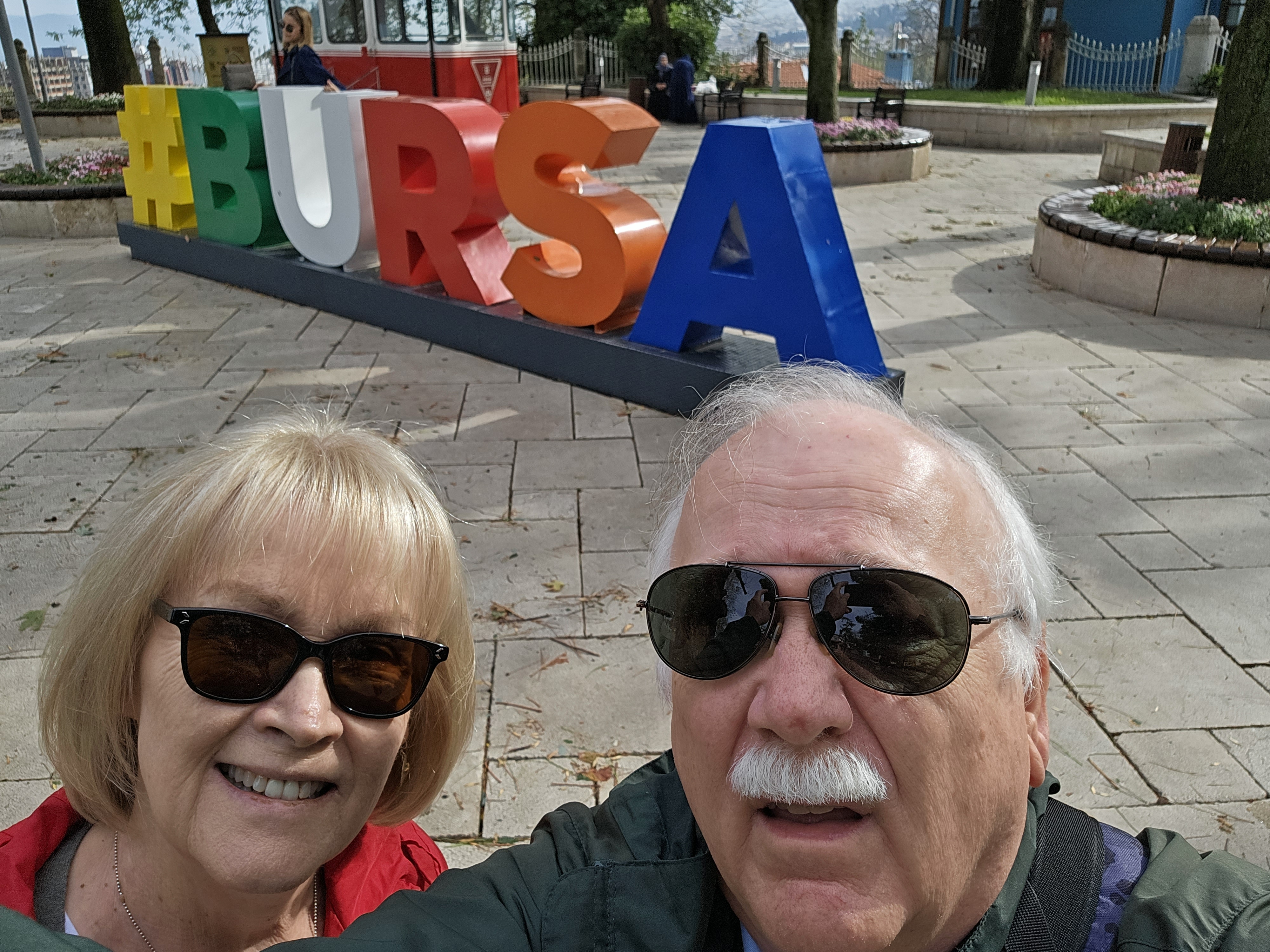
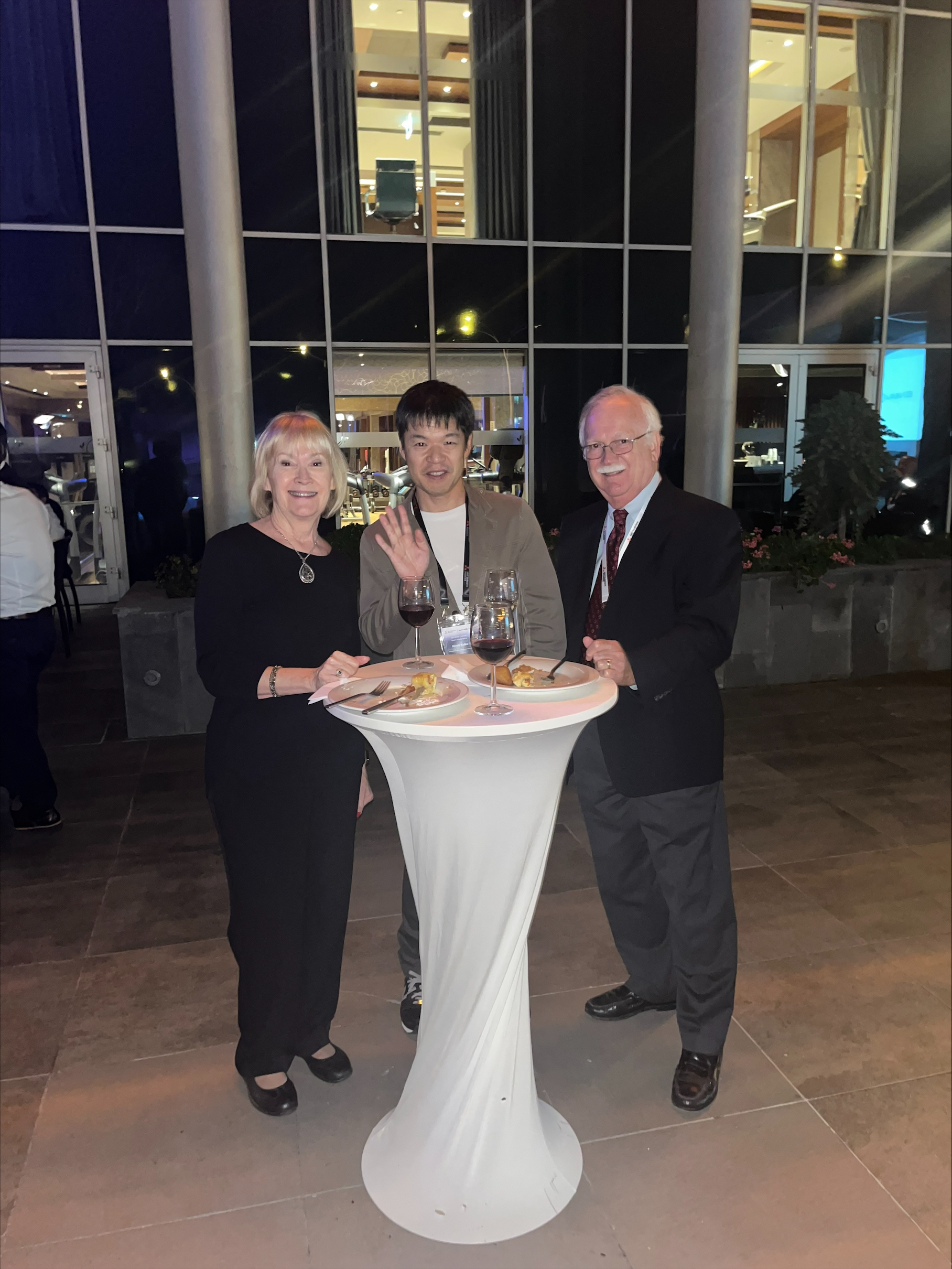
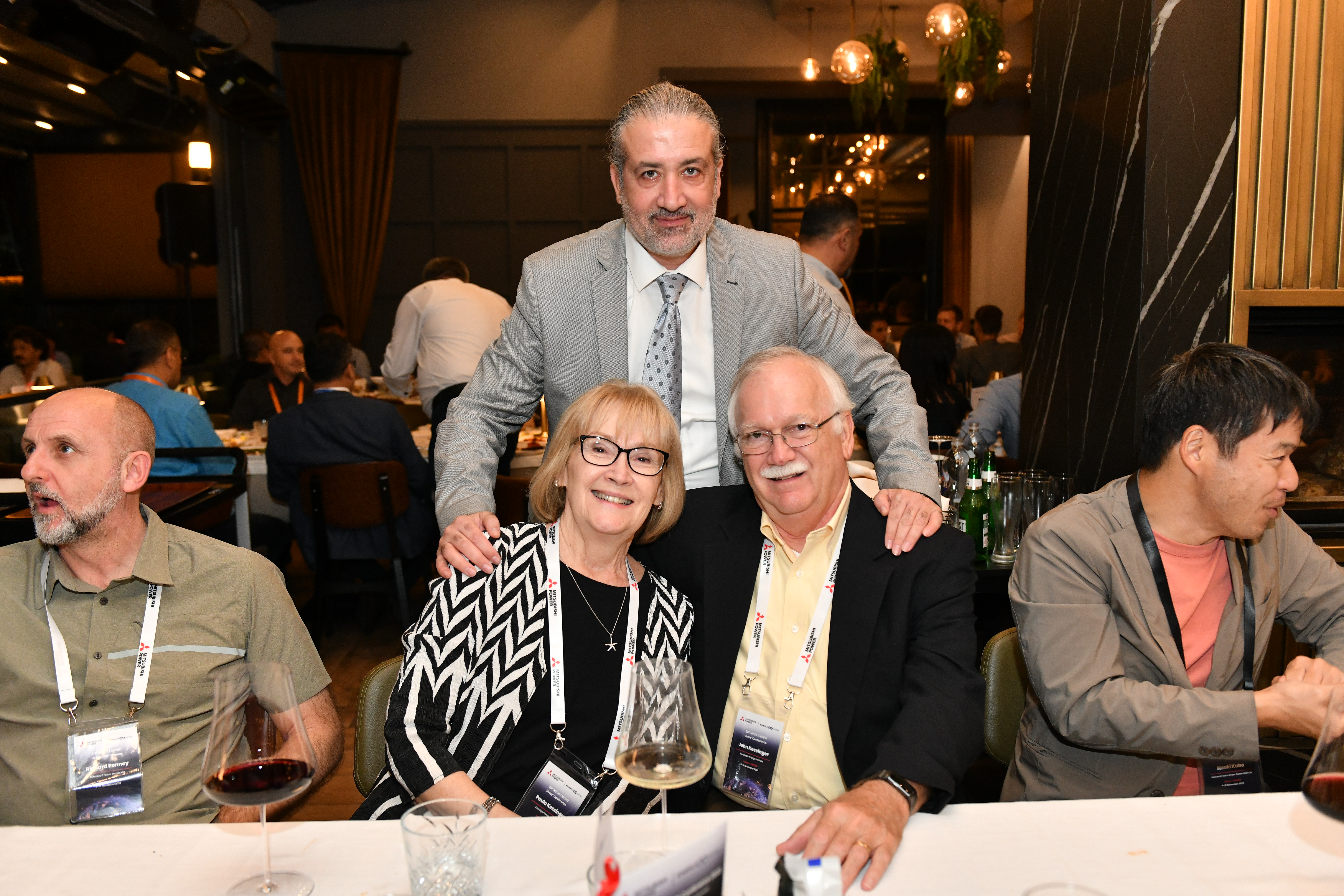
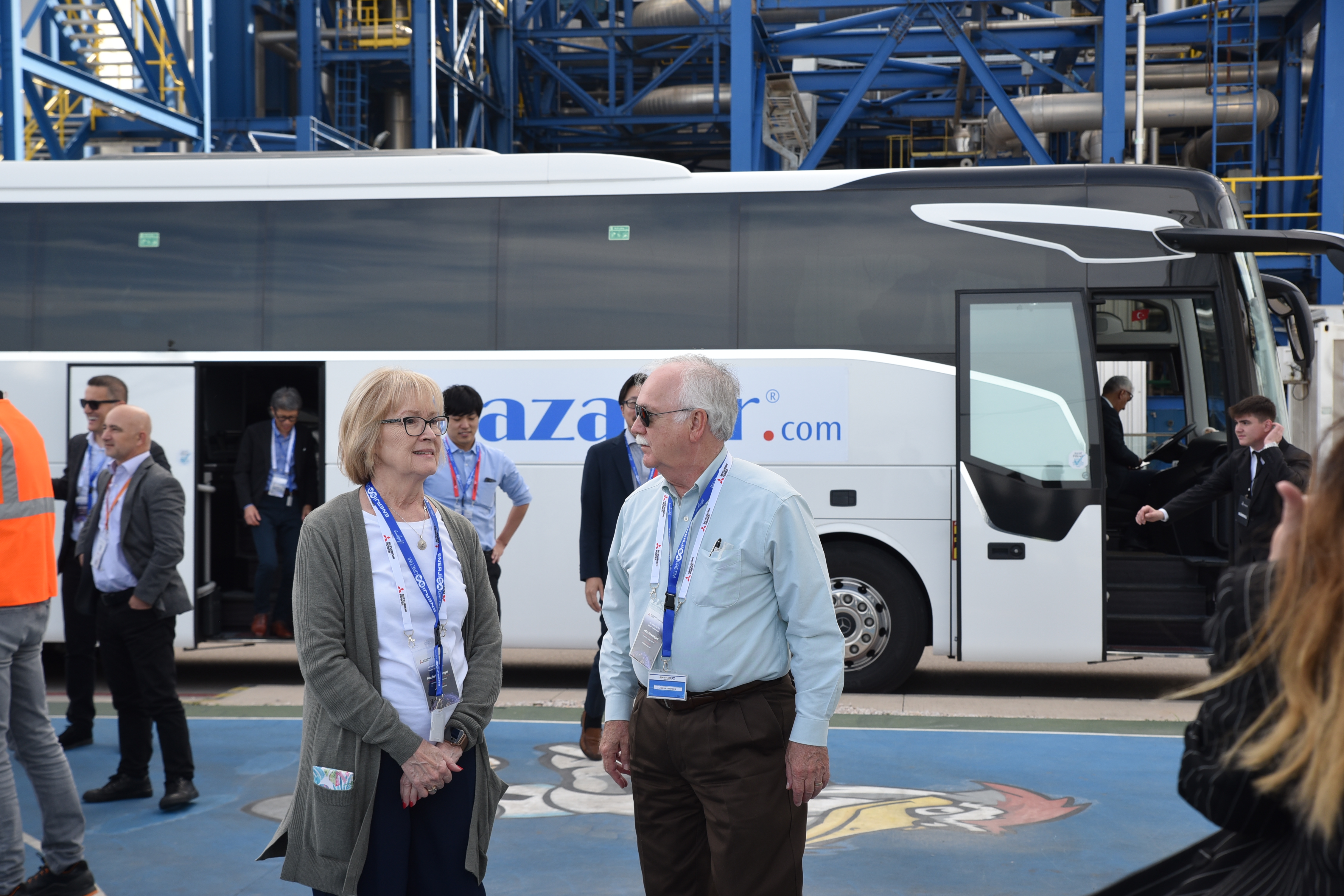
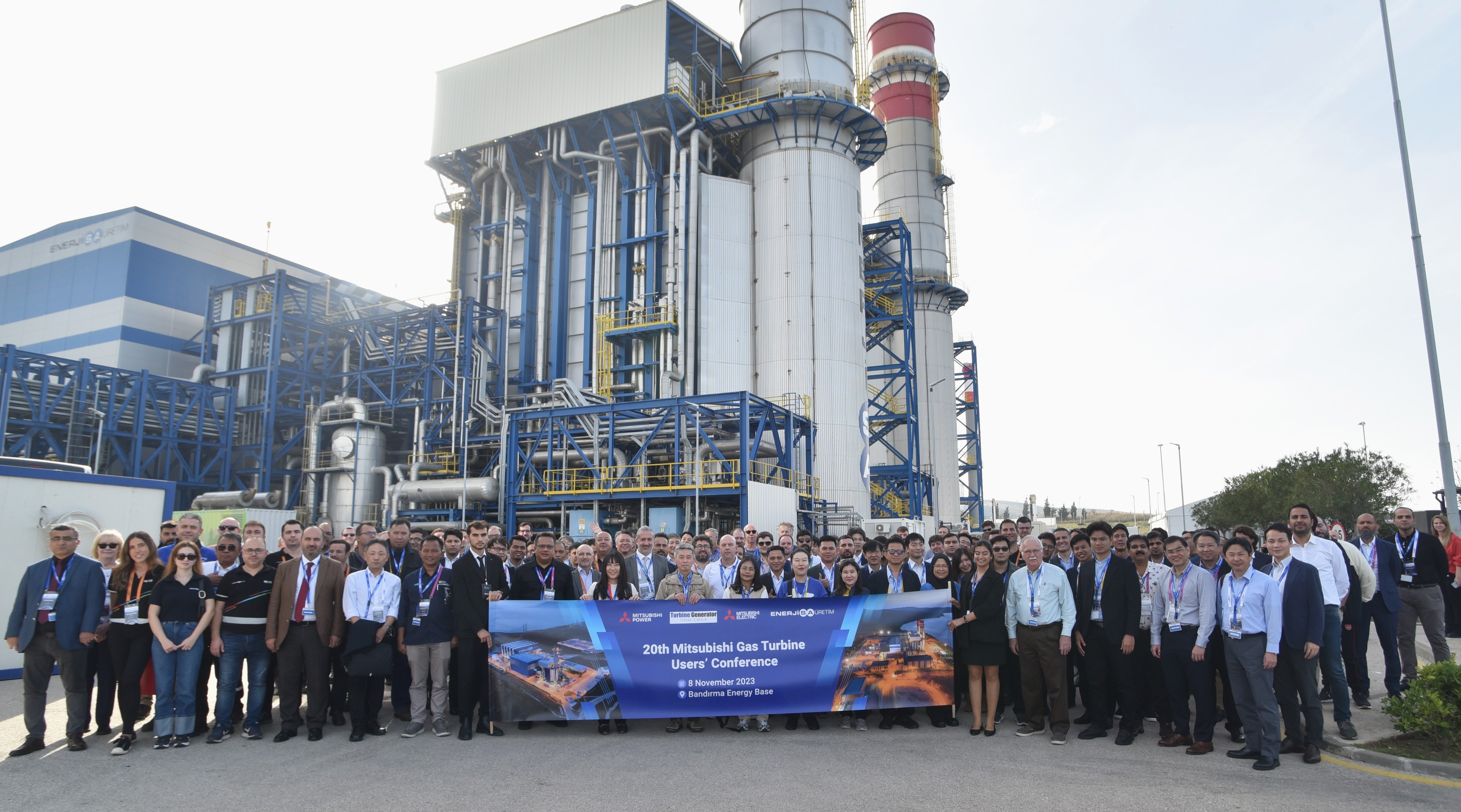
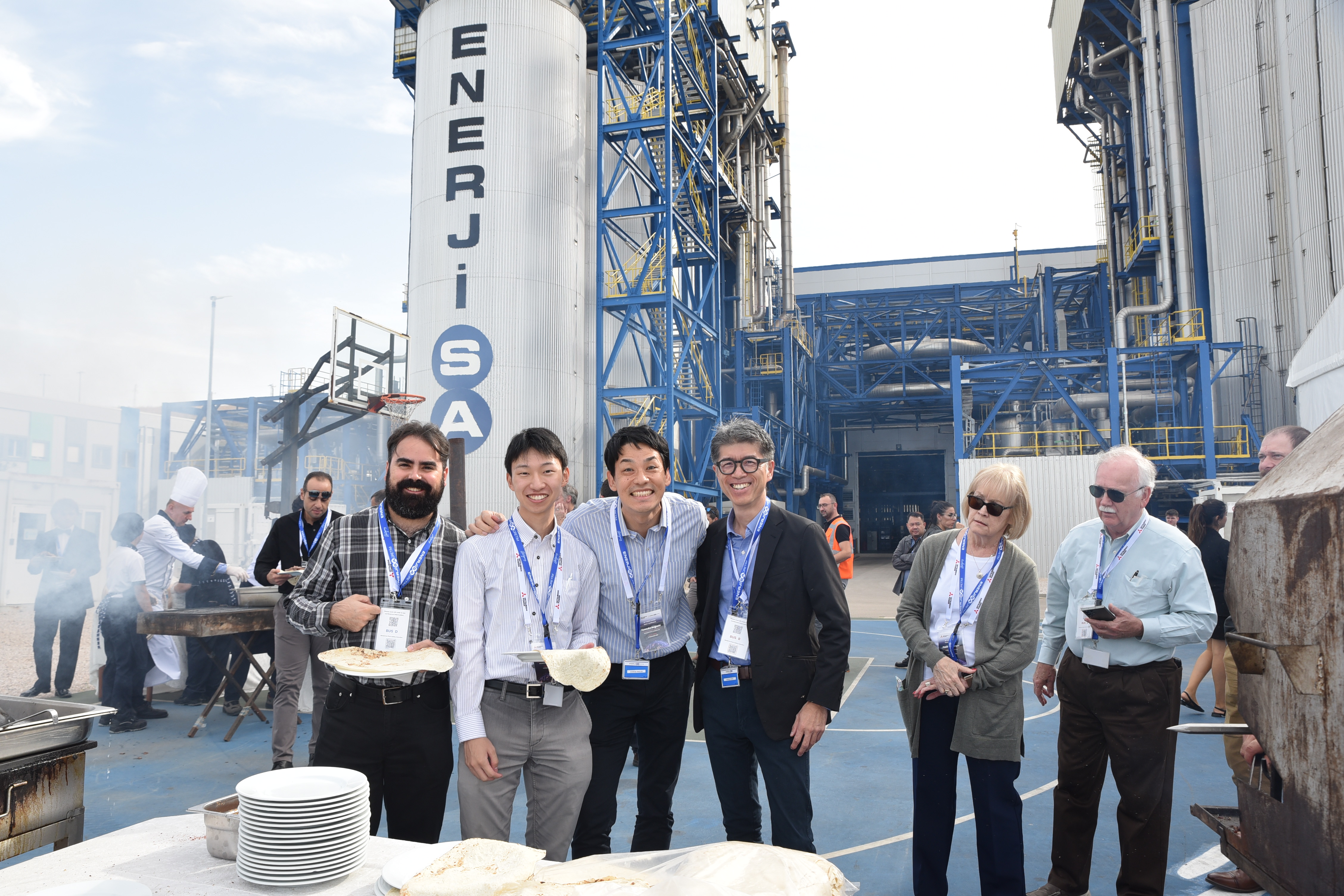
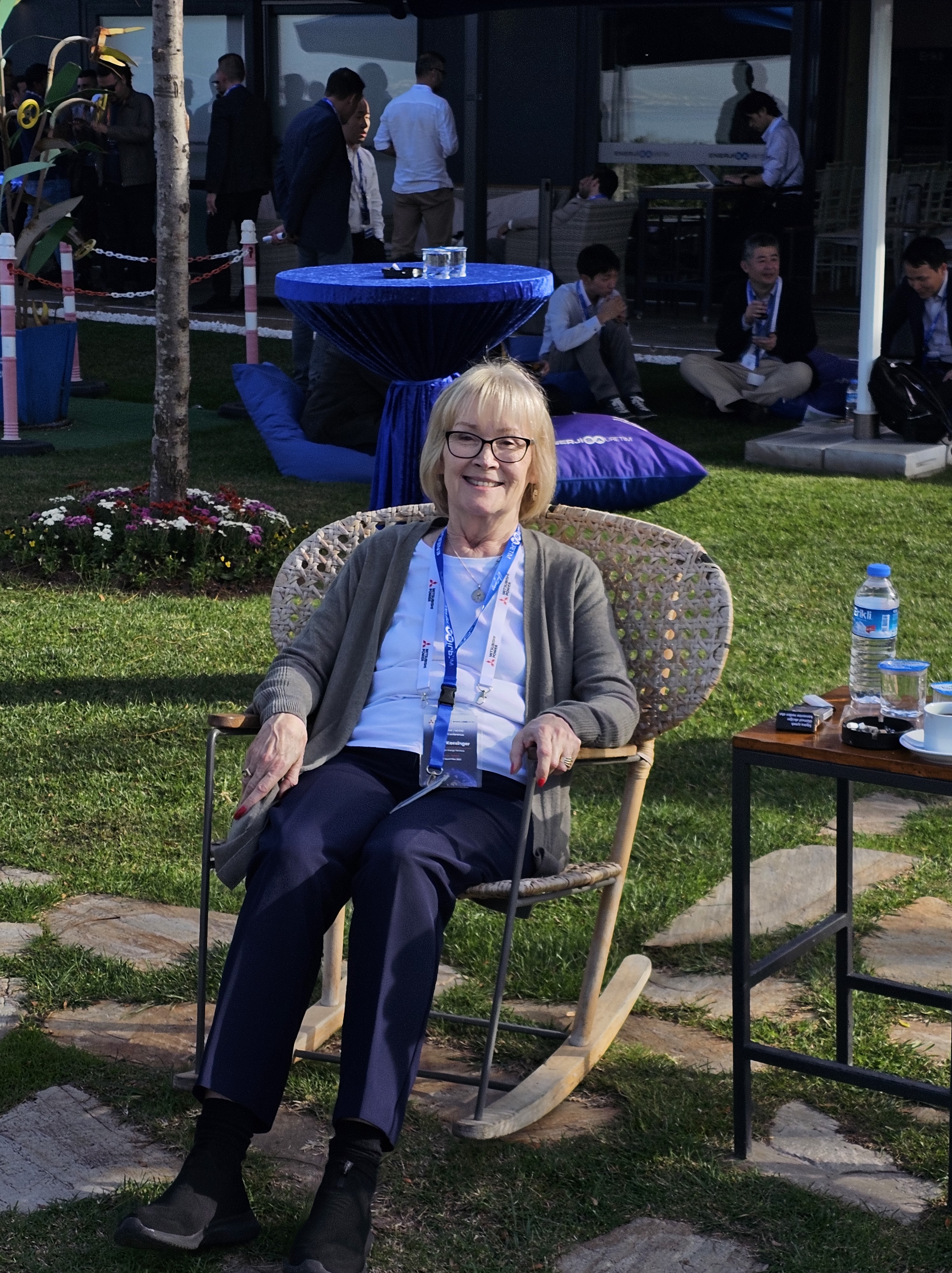
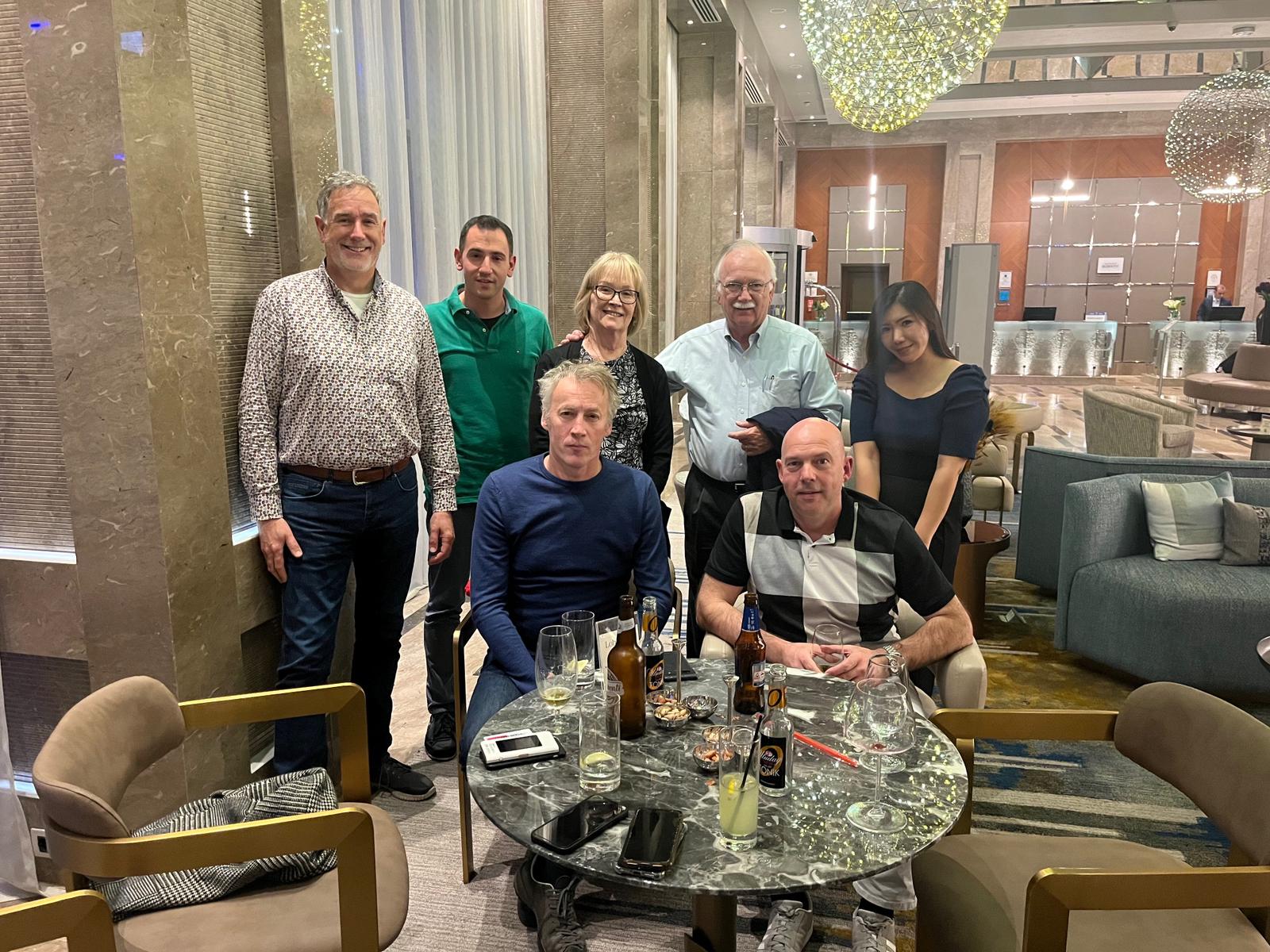
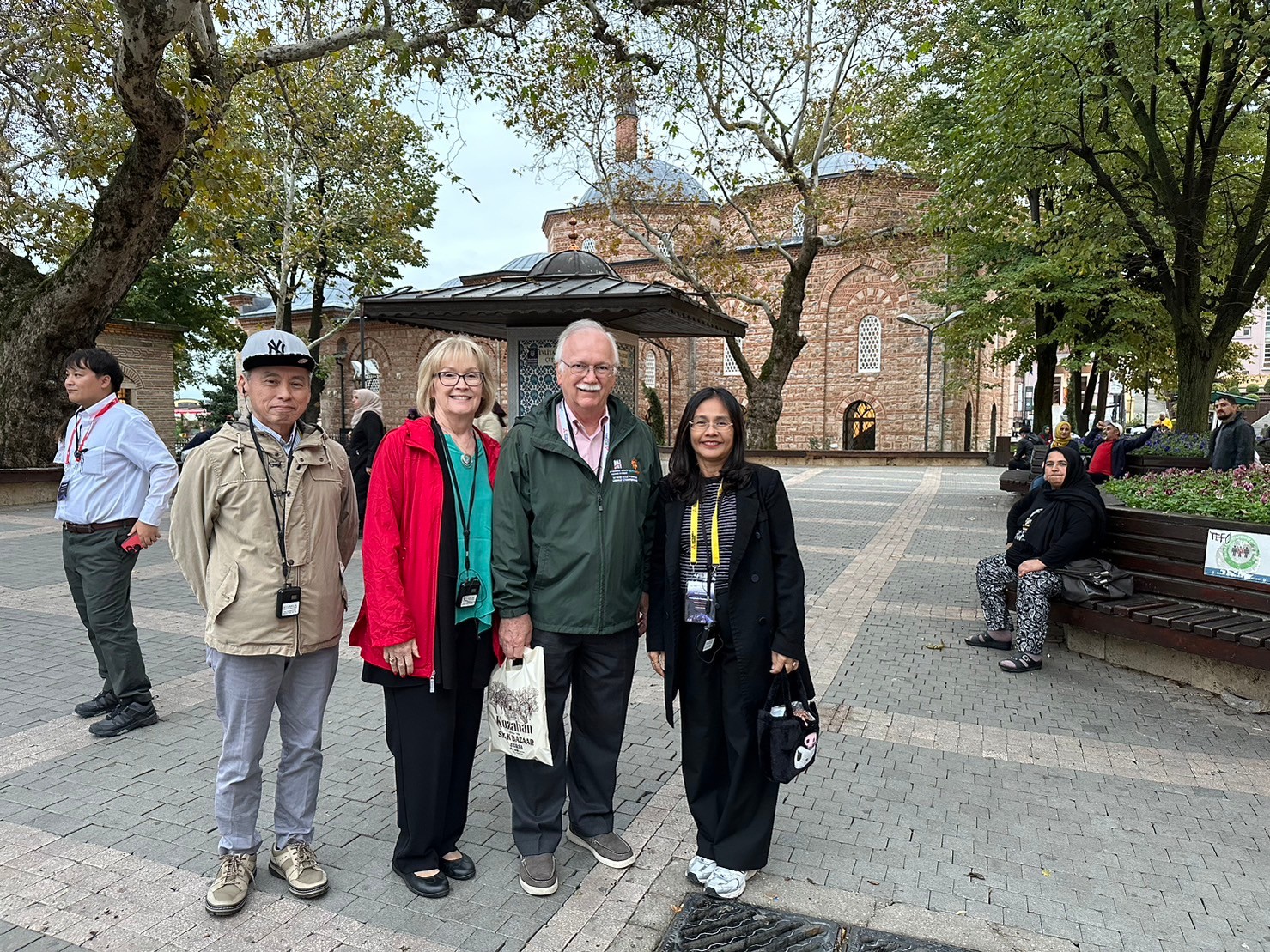
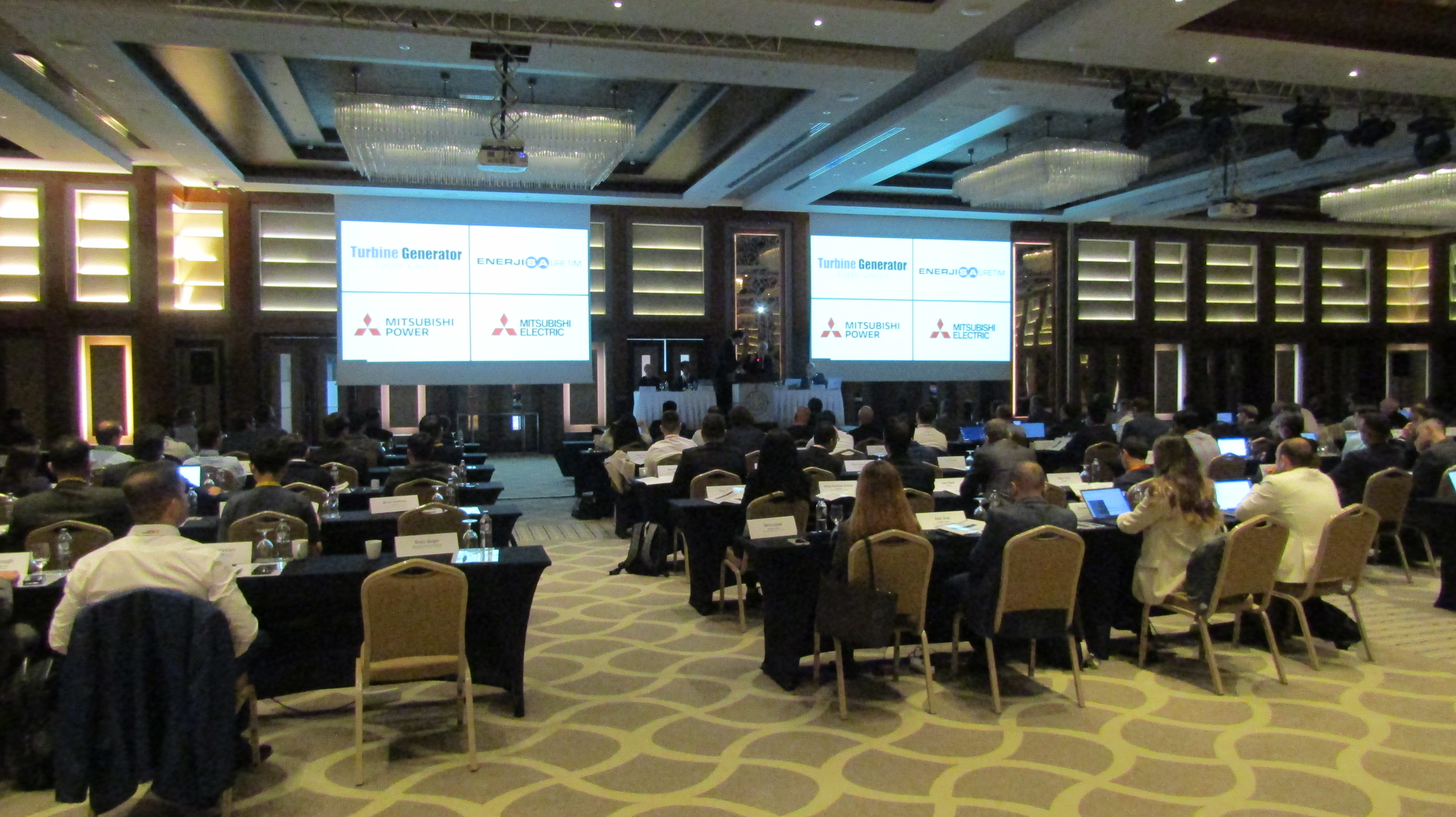
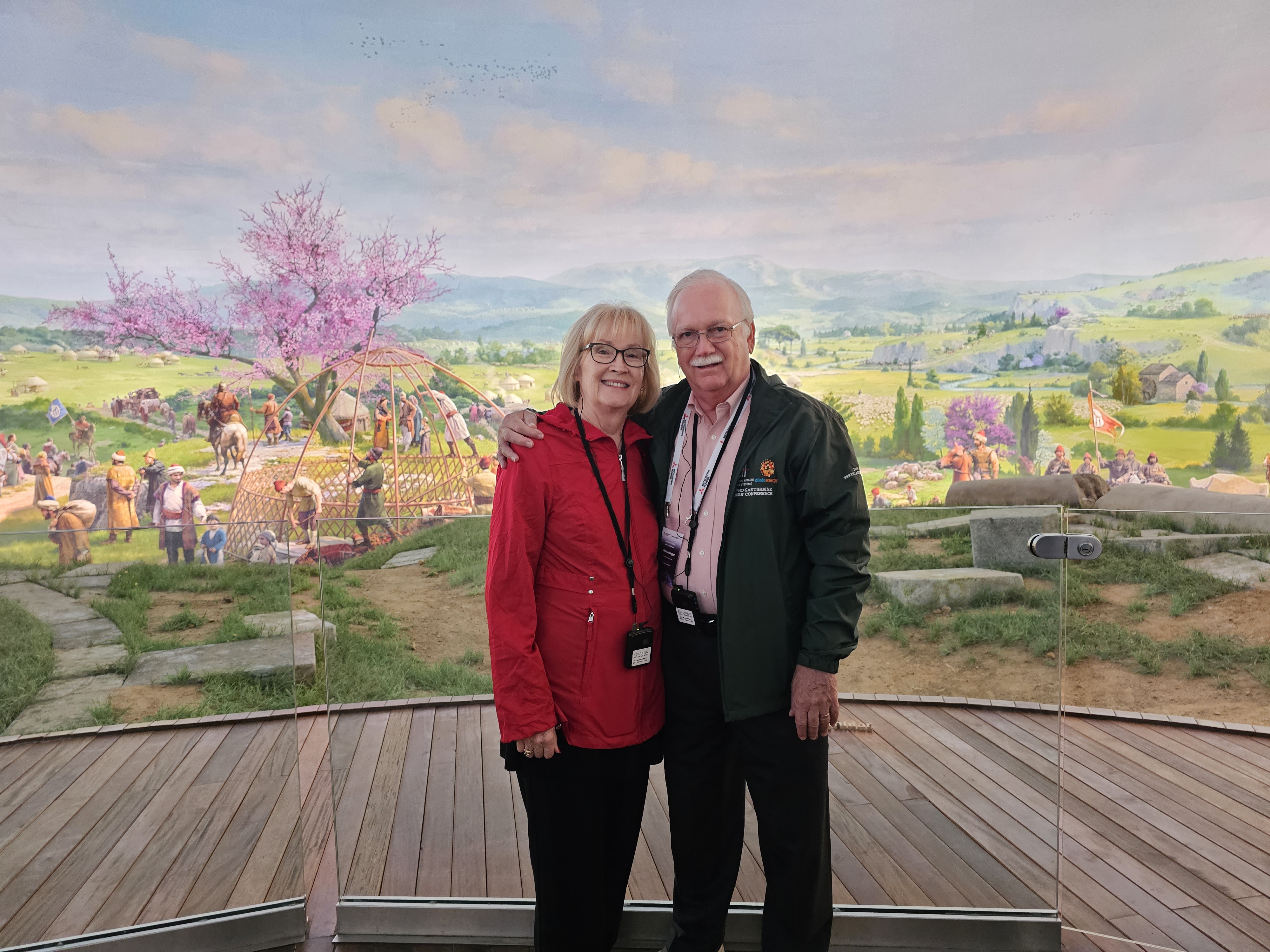
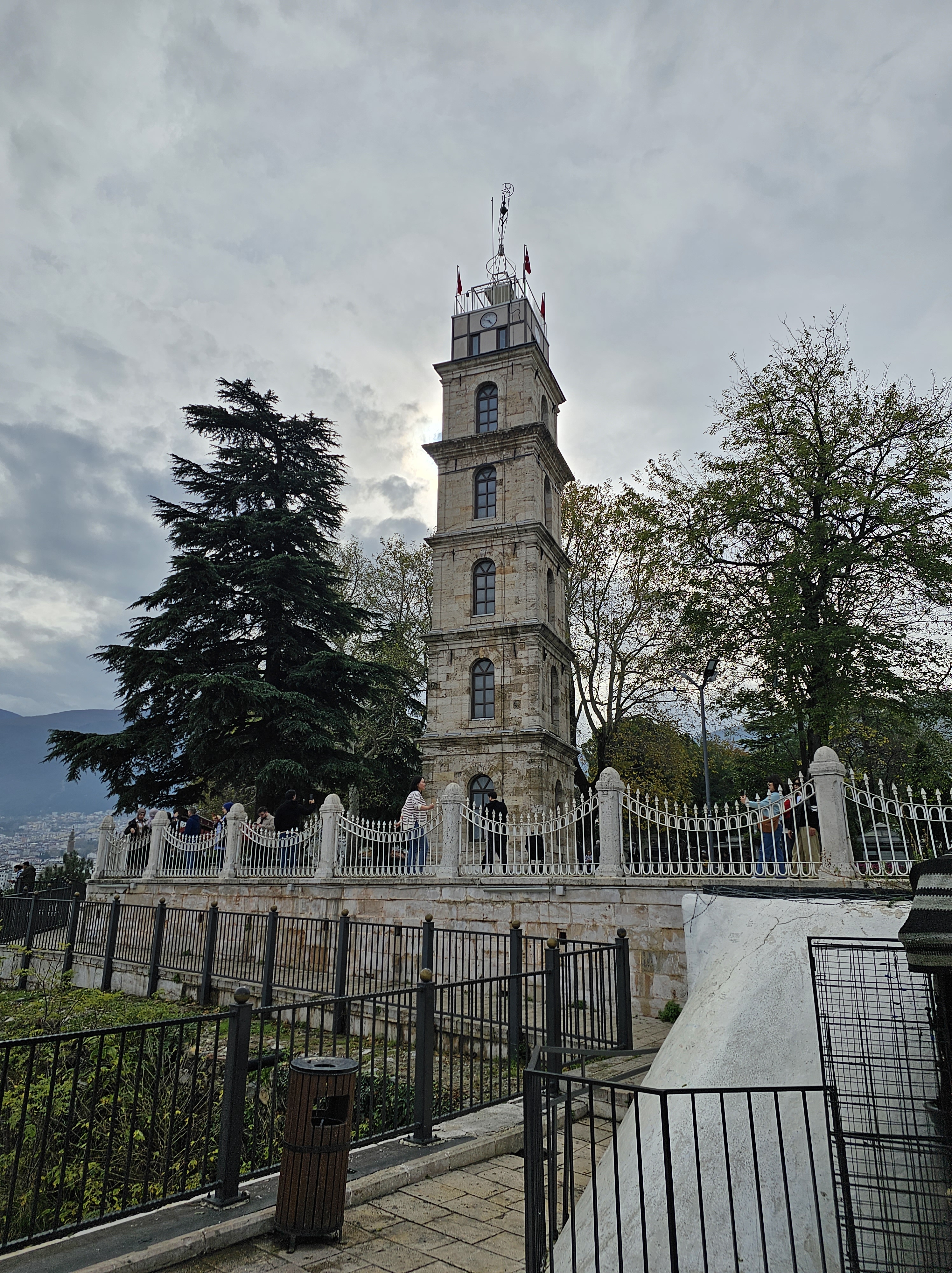
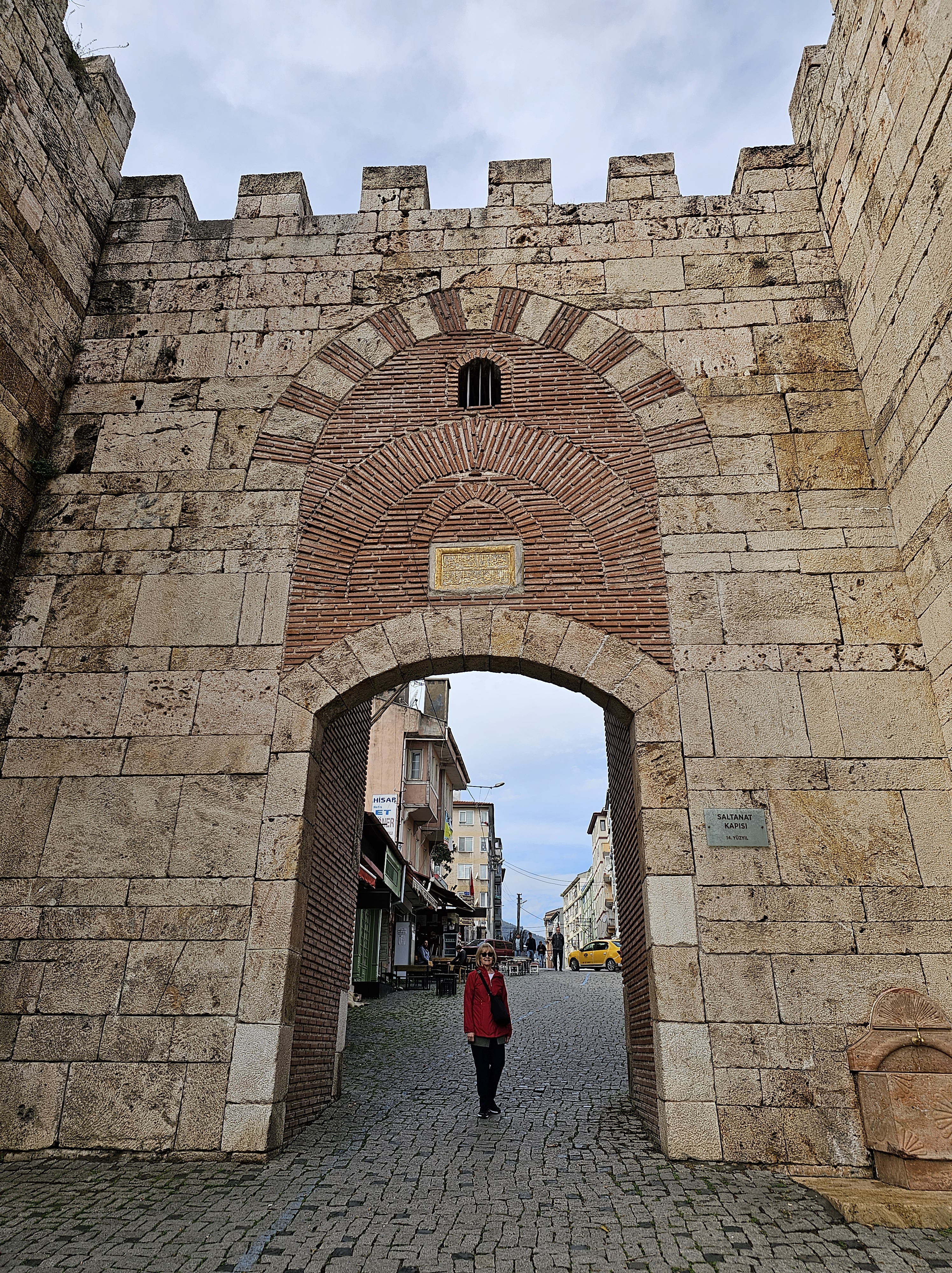
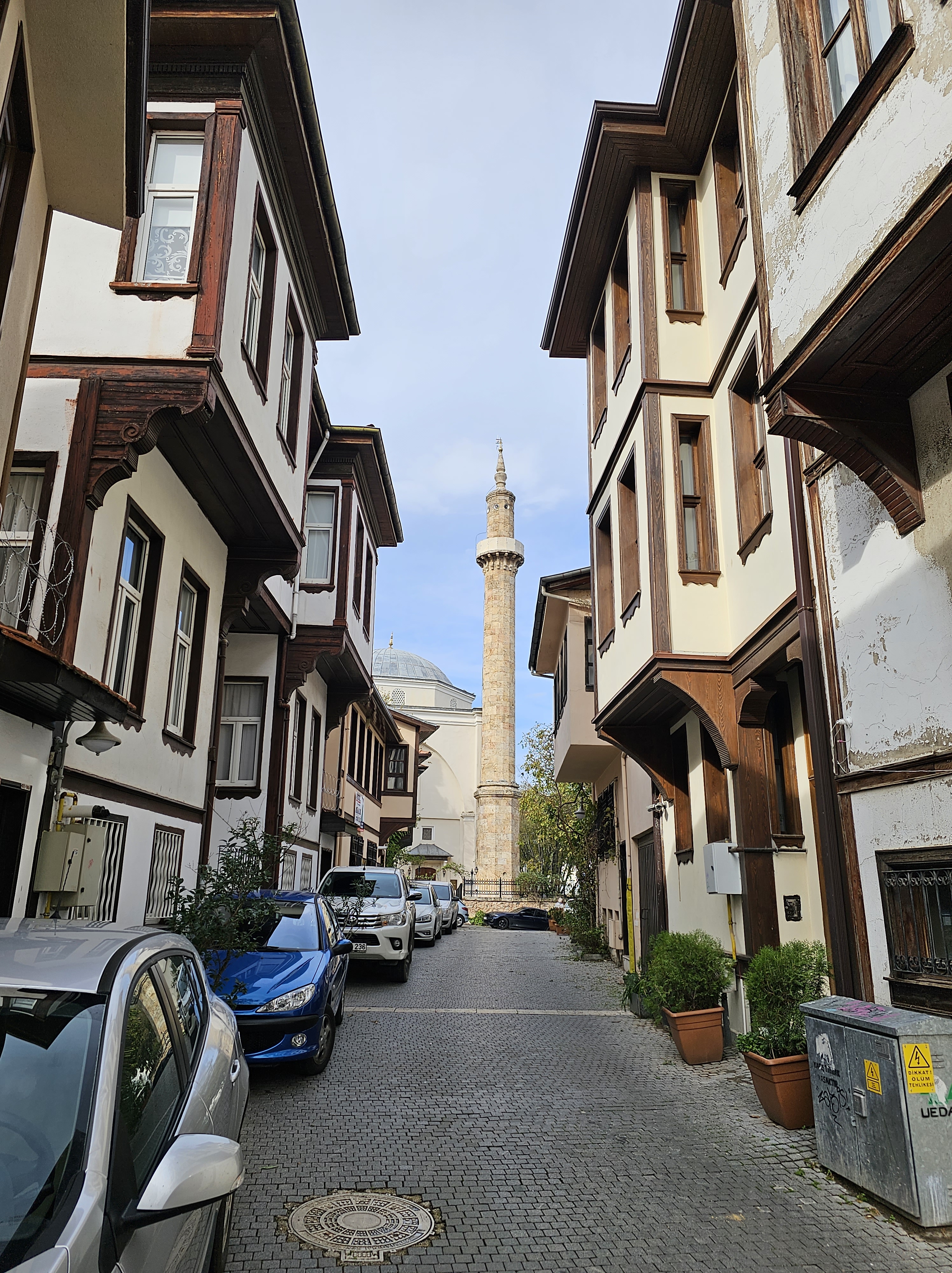
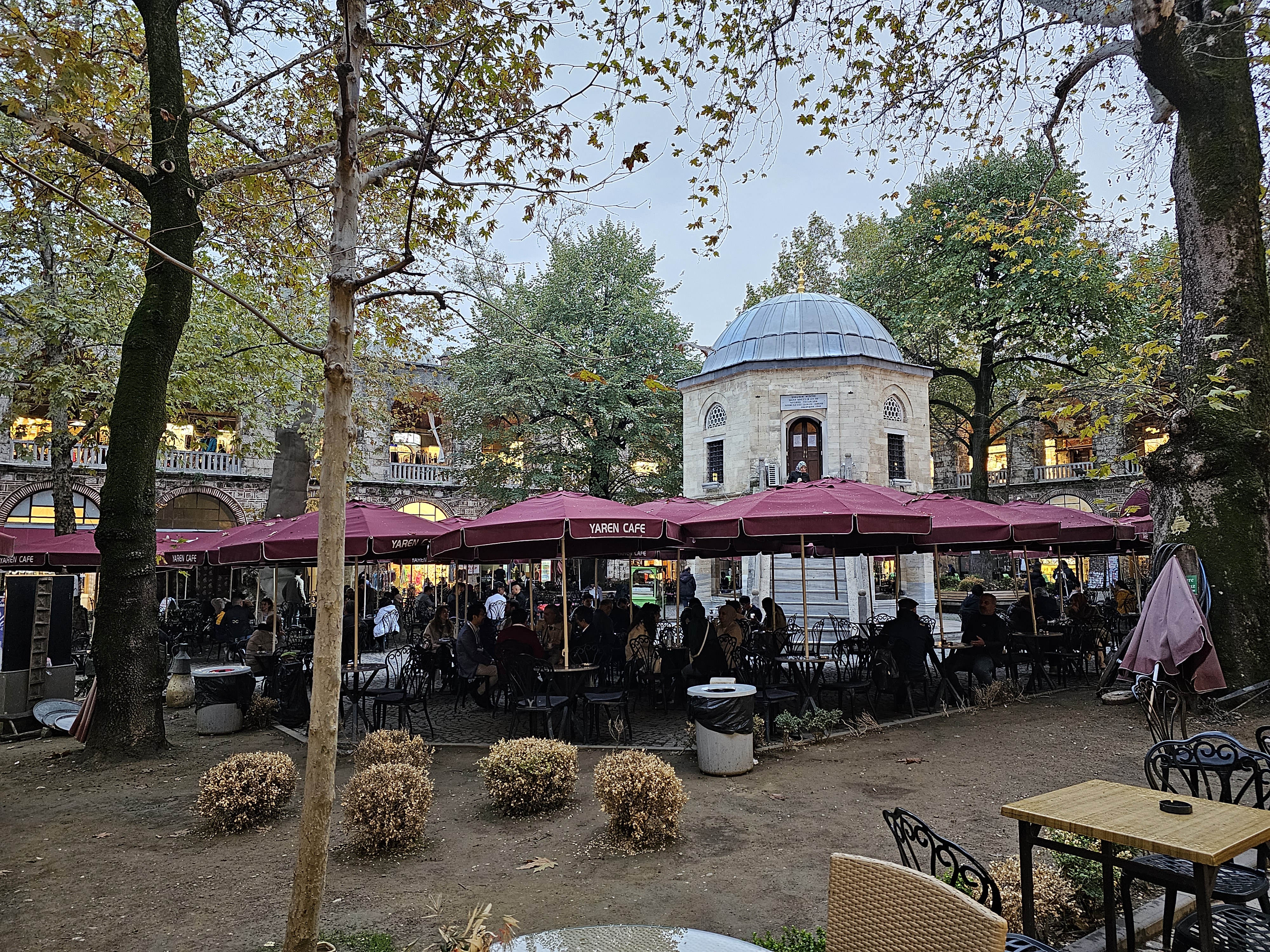
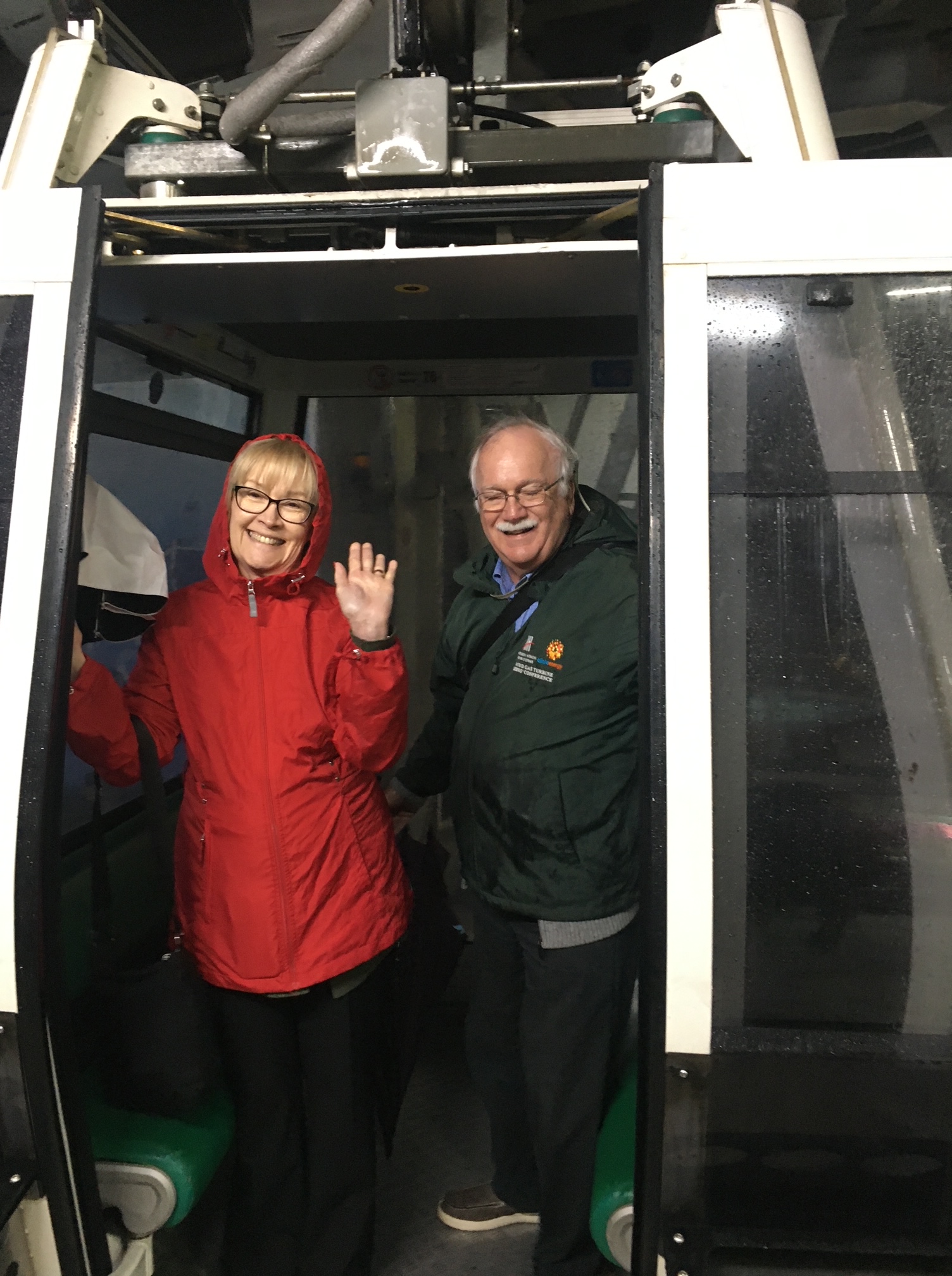
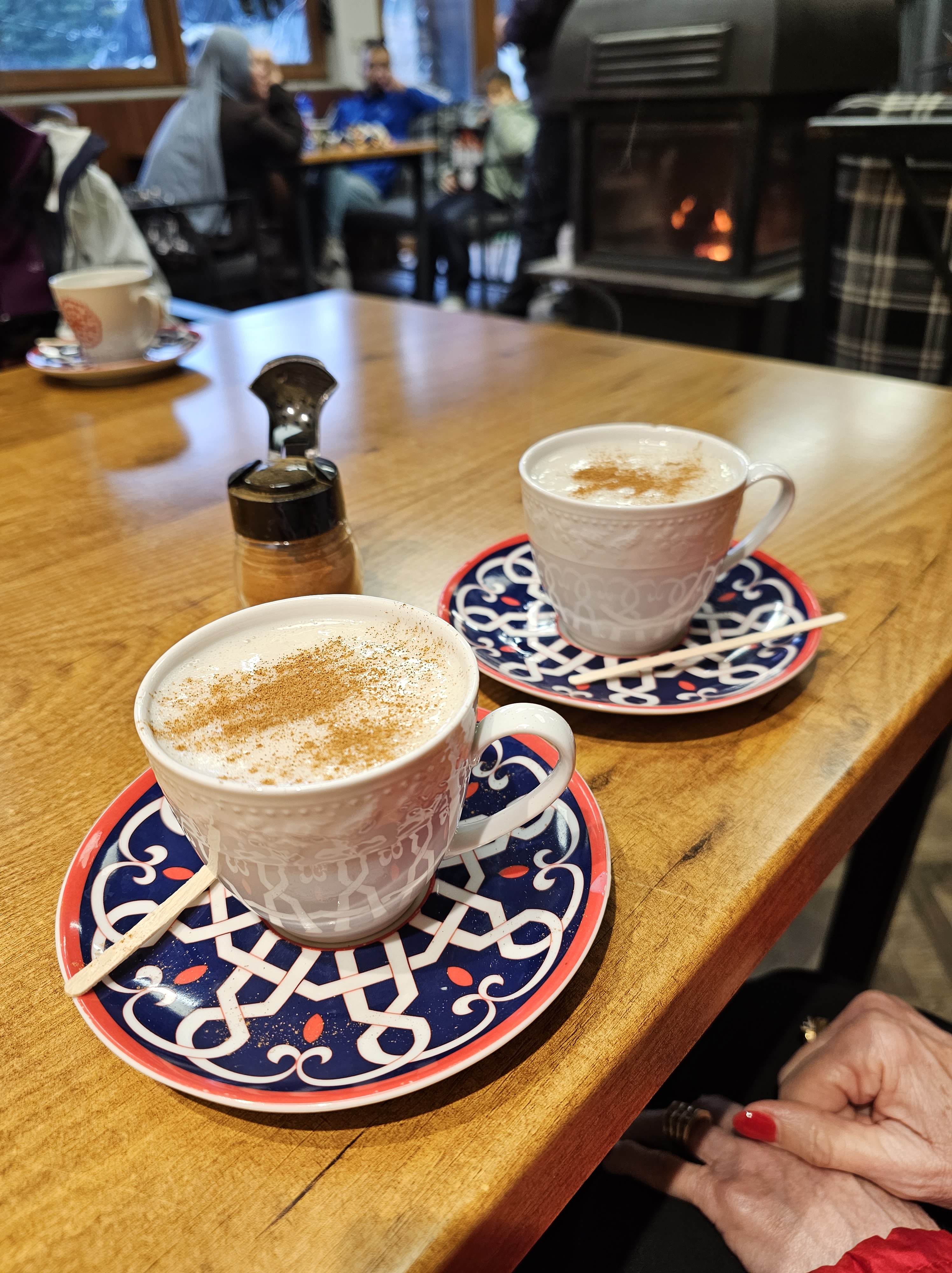
We travelled to Türkiye in November to participate in a global conference of 50Hz. power plant owners and operators, with attendees from 23 countries. We spent our time in the beautiful, historic city of Bursa, on the opposite side of the Sea of Marmara from Istanbul. It was the first capital of the Ottoman Empire in 1326 but does not get many international tourists — which was a good thing at that time of unsettling events not far away. We went two weeks without seeing another American.
Maybe need to get a selfie-stick……..
We spent the first part of our visit working with friends from many countries. Click on any image below to view a slideshow of full-size images.
And then we spent some quality time exploring the history and culture of Bursa, which had been an important city in the Greek Empire, the Roman Empire and the Byzantine Empire before it became the first capital of the Ottoman Empire. It was on the ancient Silk Road from China across Central Asia to Europe, and already by the mid-6th century Bursa was known as a famous silk textile manufacturing center. Click on any image below to view a slideshow of full-size images.
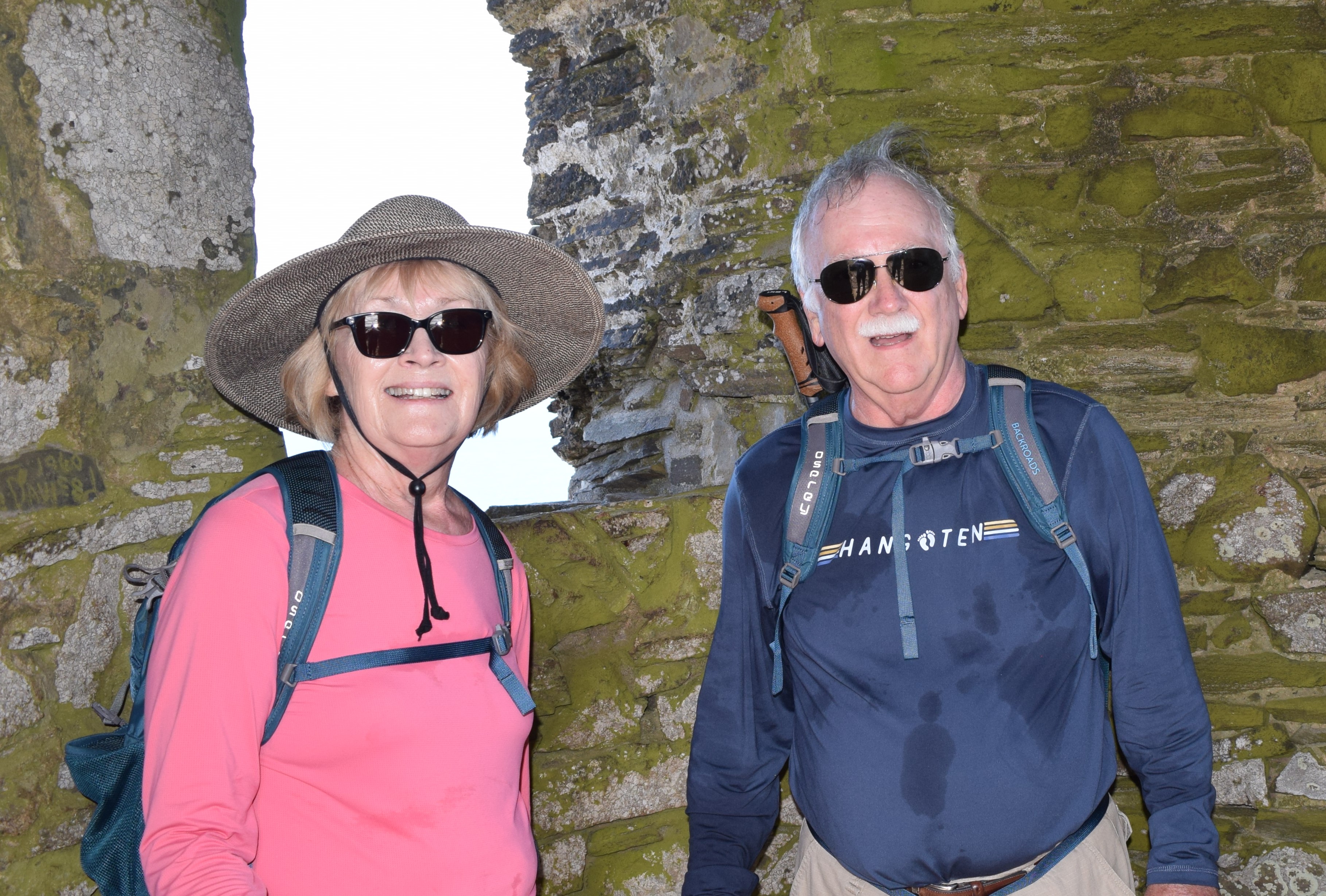
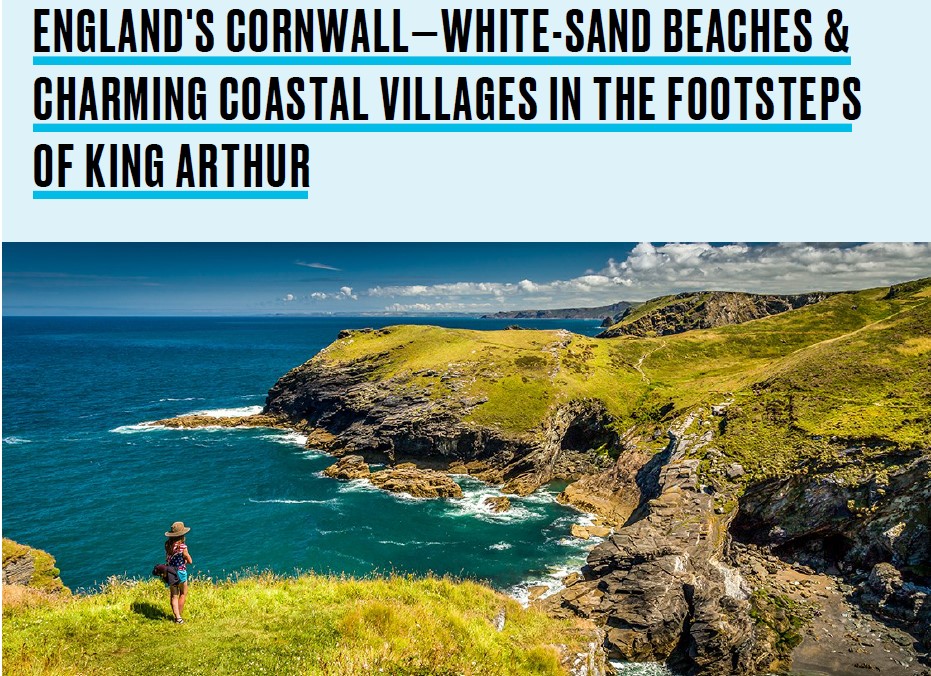
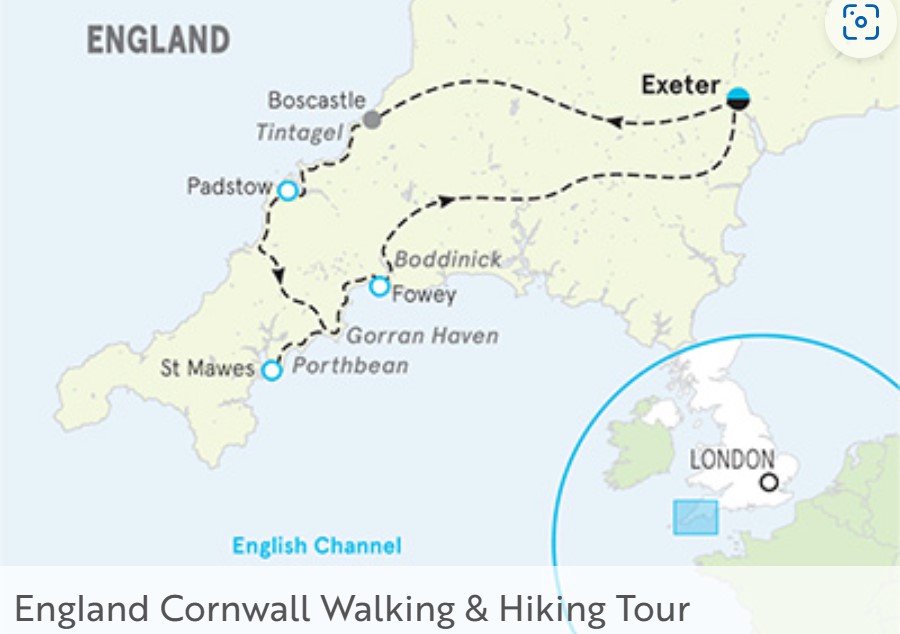
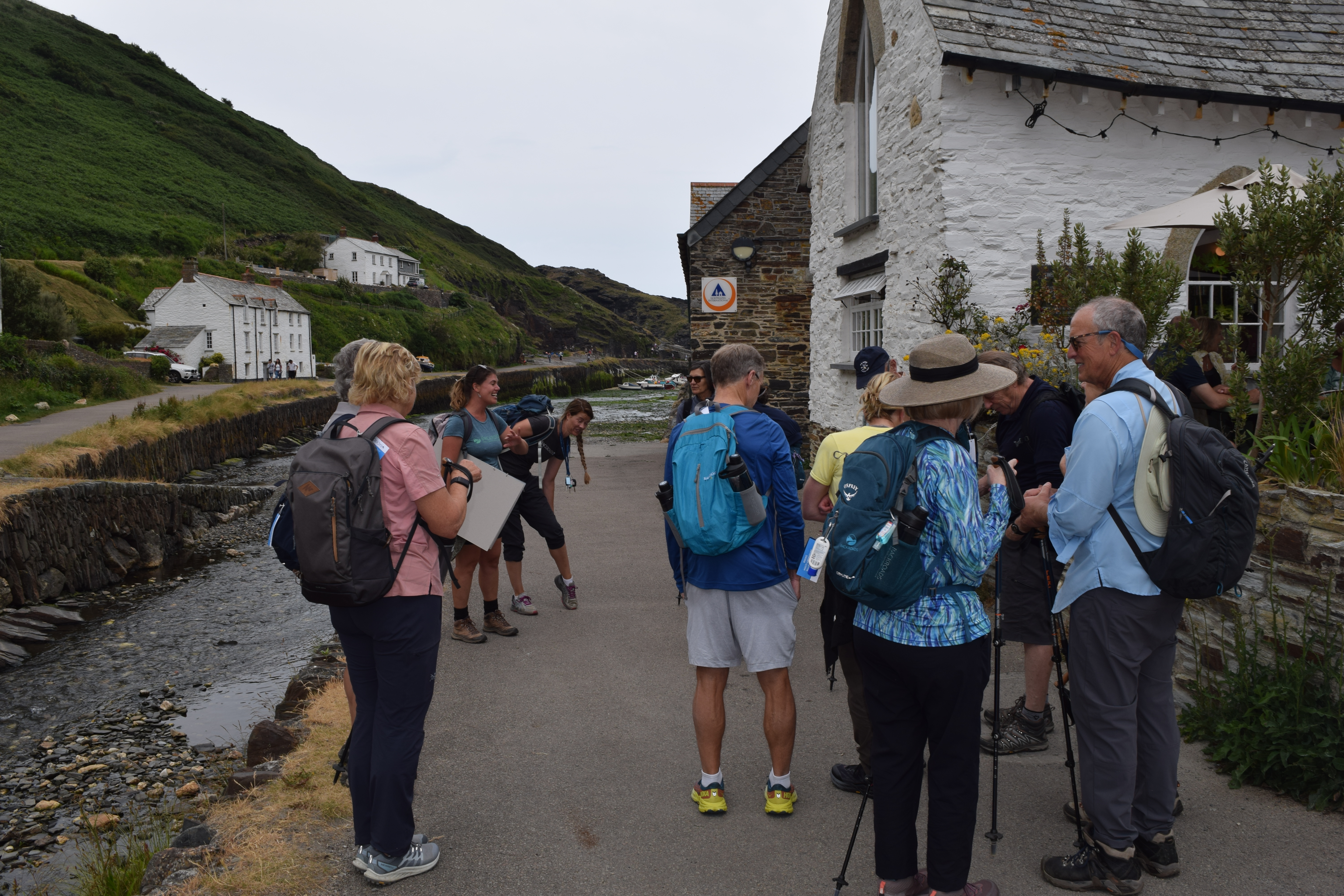
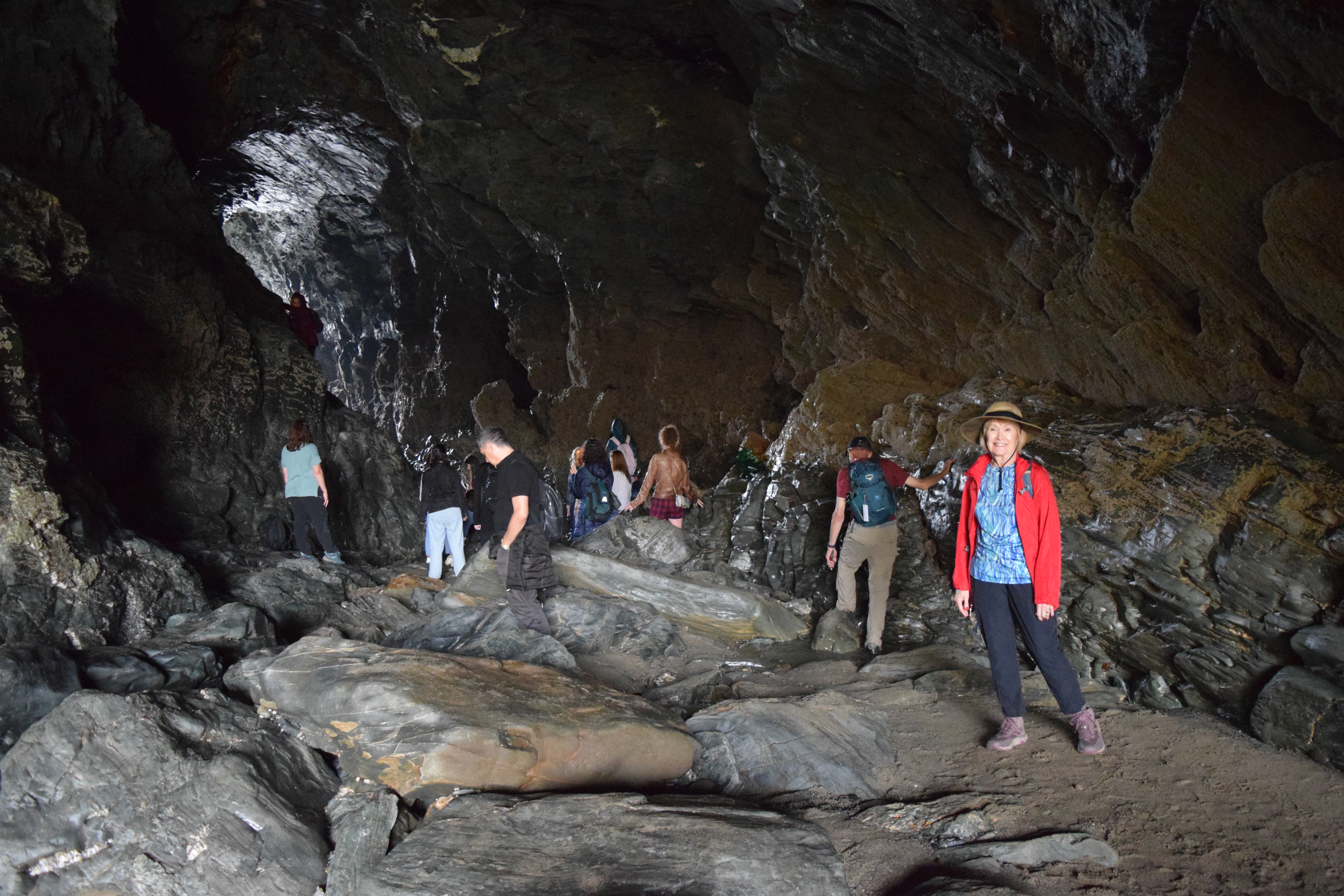
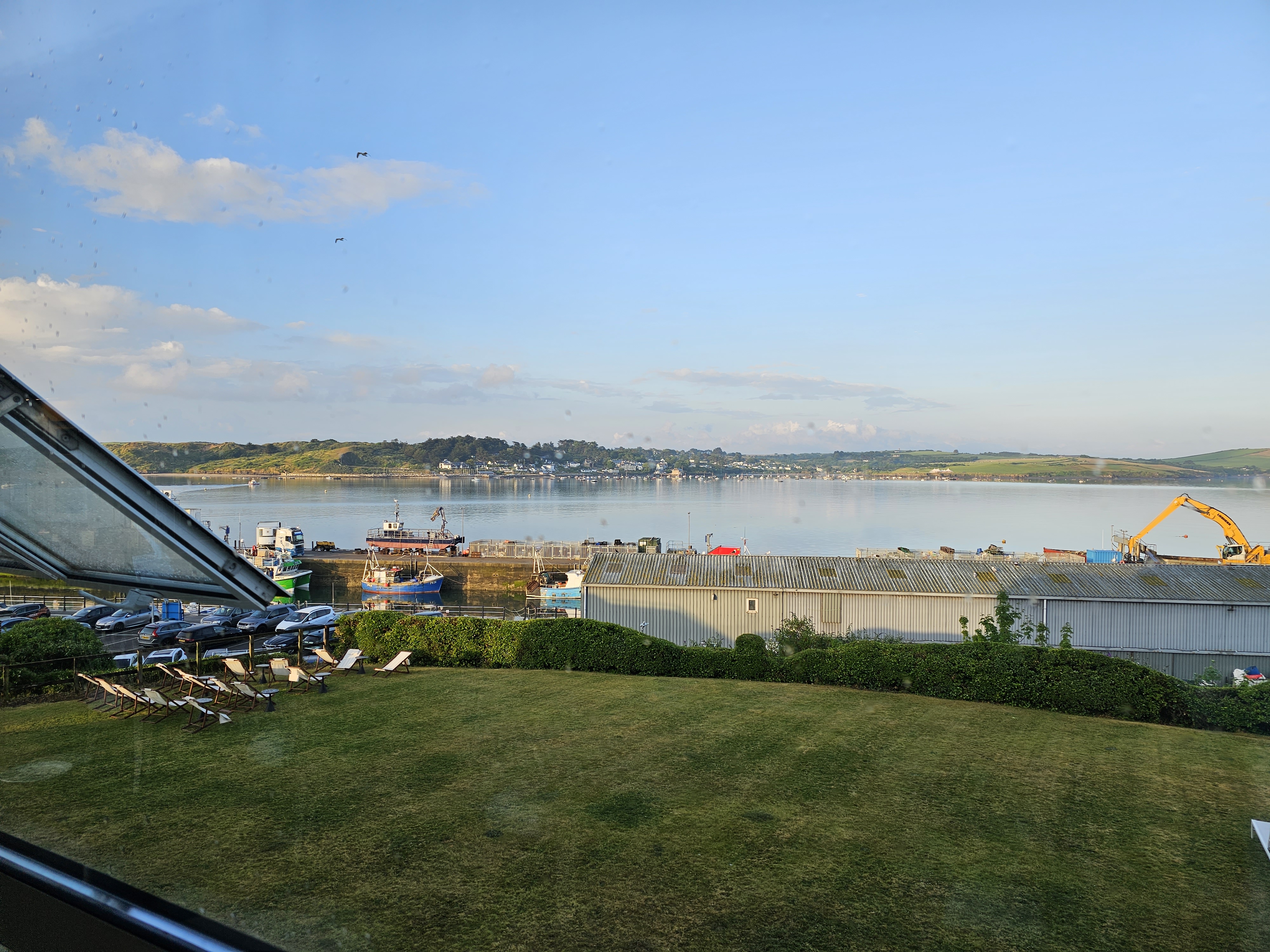
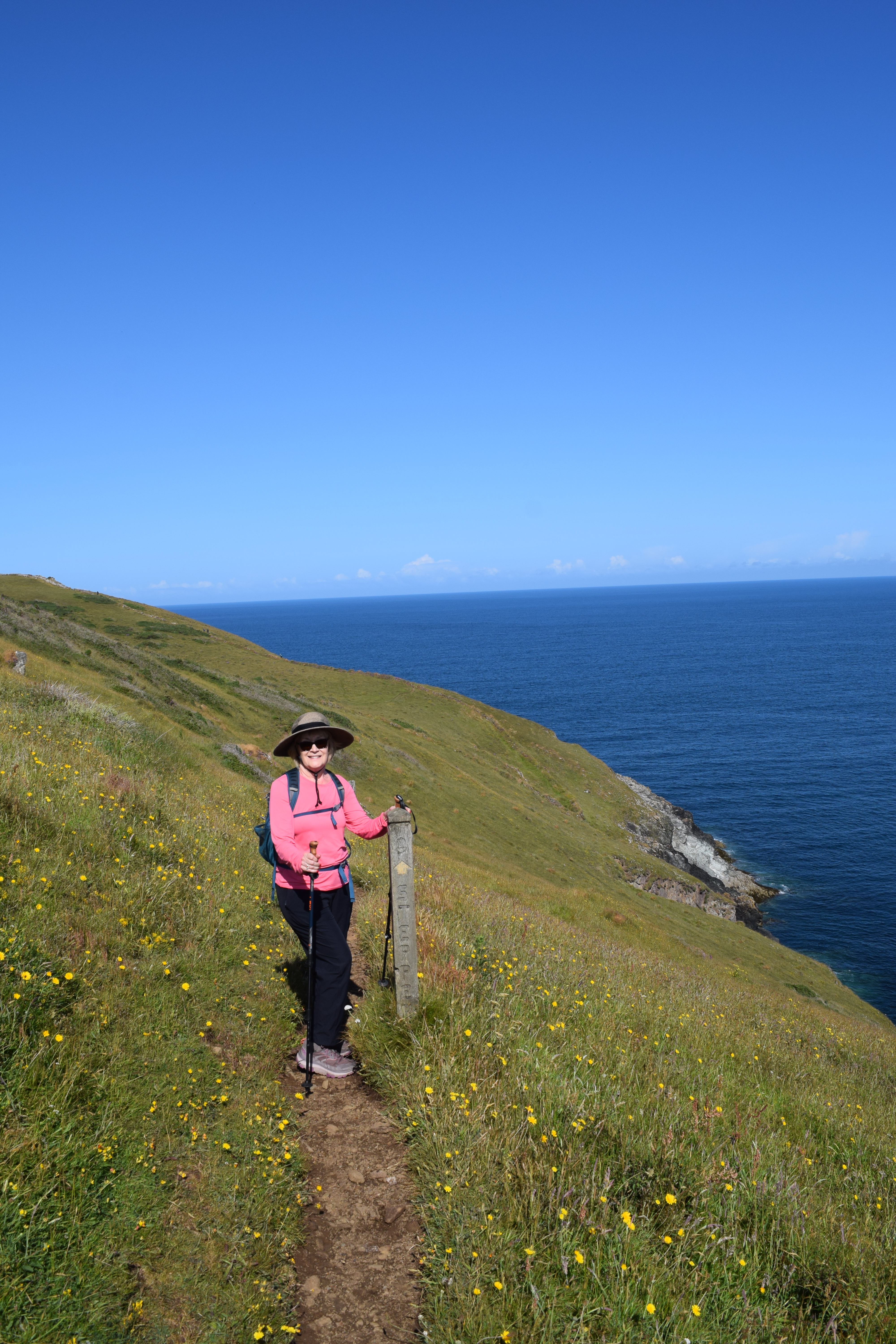
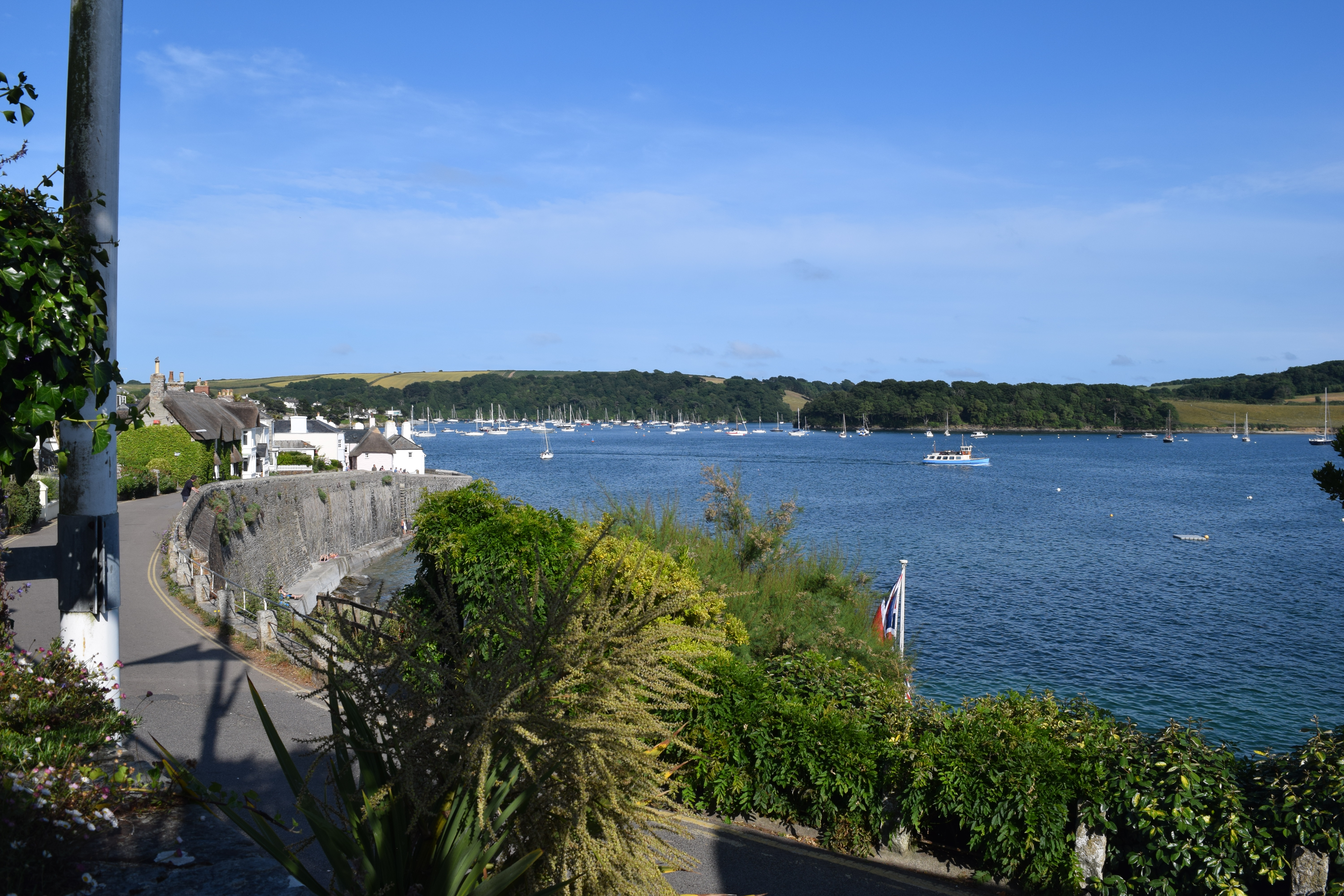
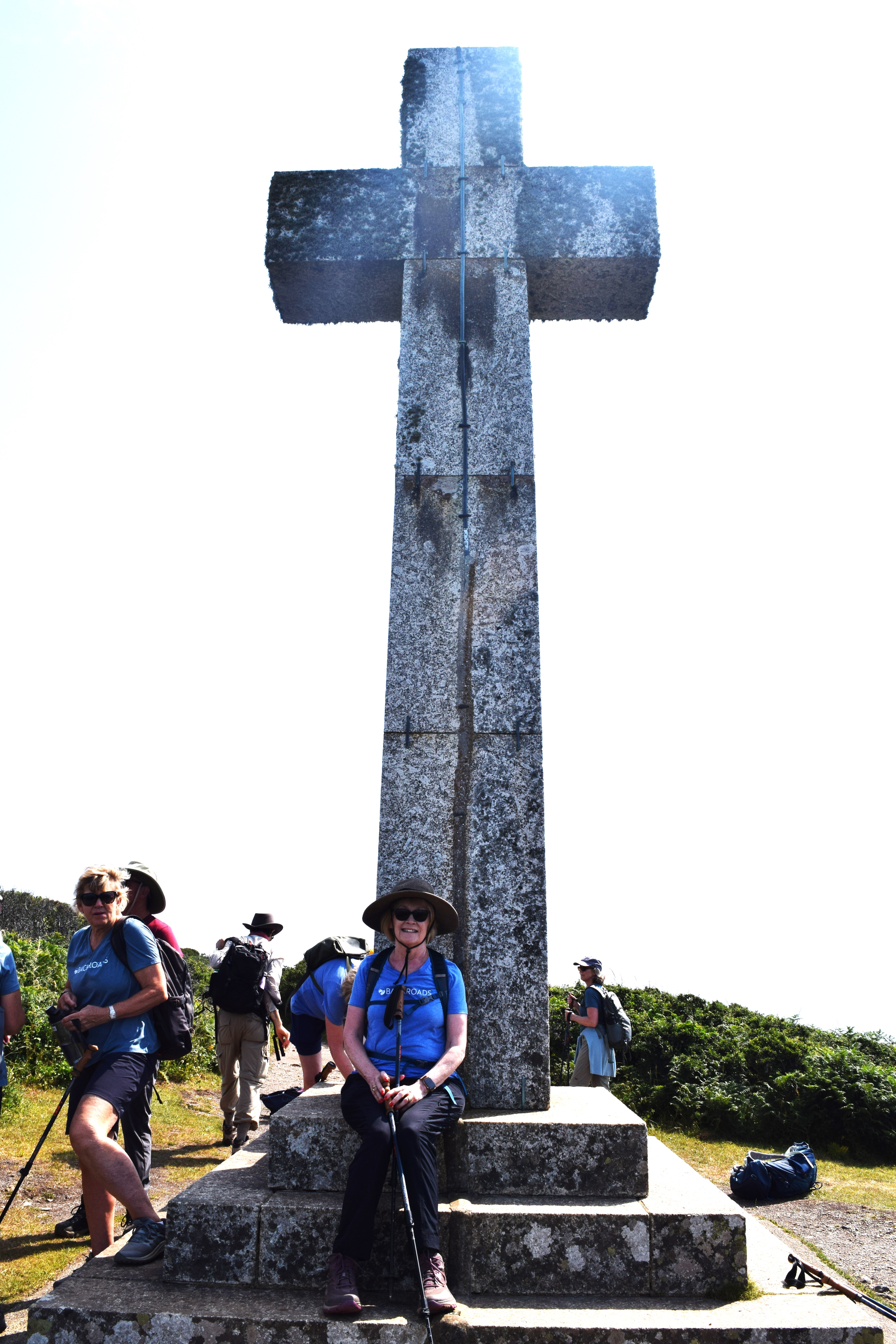
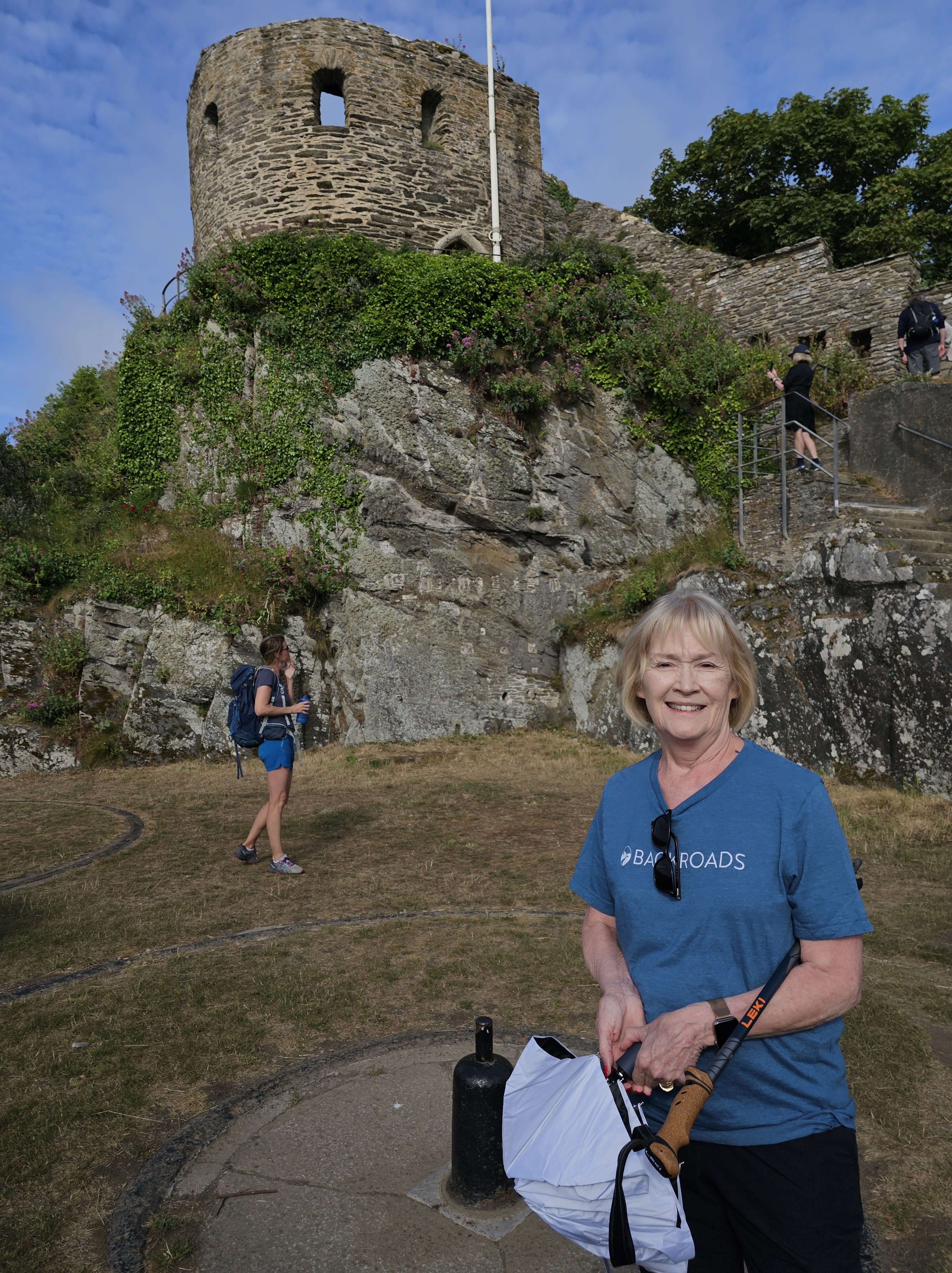
In July we met Kathy and Roy and spent 6 days hiking on the Cornish Coastal Path, which runs all the way around the edges of Cornwall, hugging the cliffs and inlets of the coast. Lots of up and down hiking, but the scenery and the hospitality were outstanding. This was our kind of hiking, active during the day traversing between 5-star hotels and inns with local Backroads “Active Adventure” guides. Cornwall is also very significant to John and Kathy since it is the origin of Rosevear and Williams ancestors on their grandmother’s side, who came to the US in the mid-19th century.
Click on any image below to view a slideshow of full-size images.
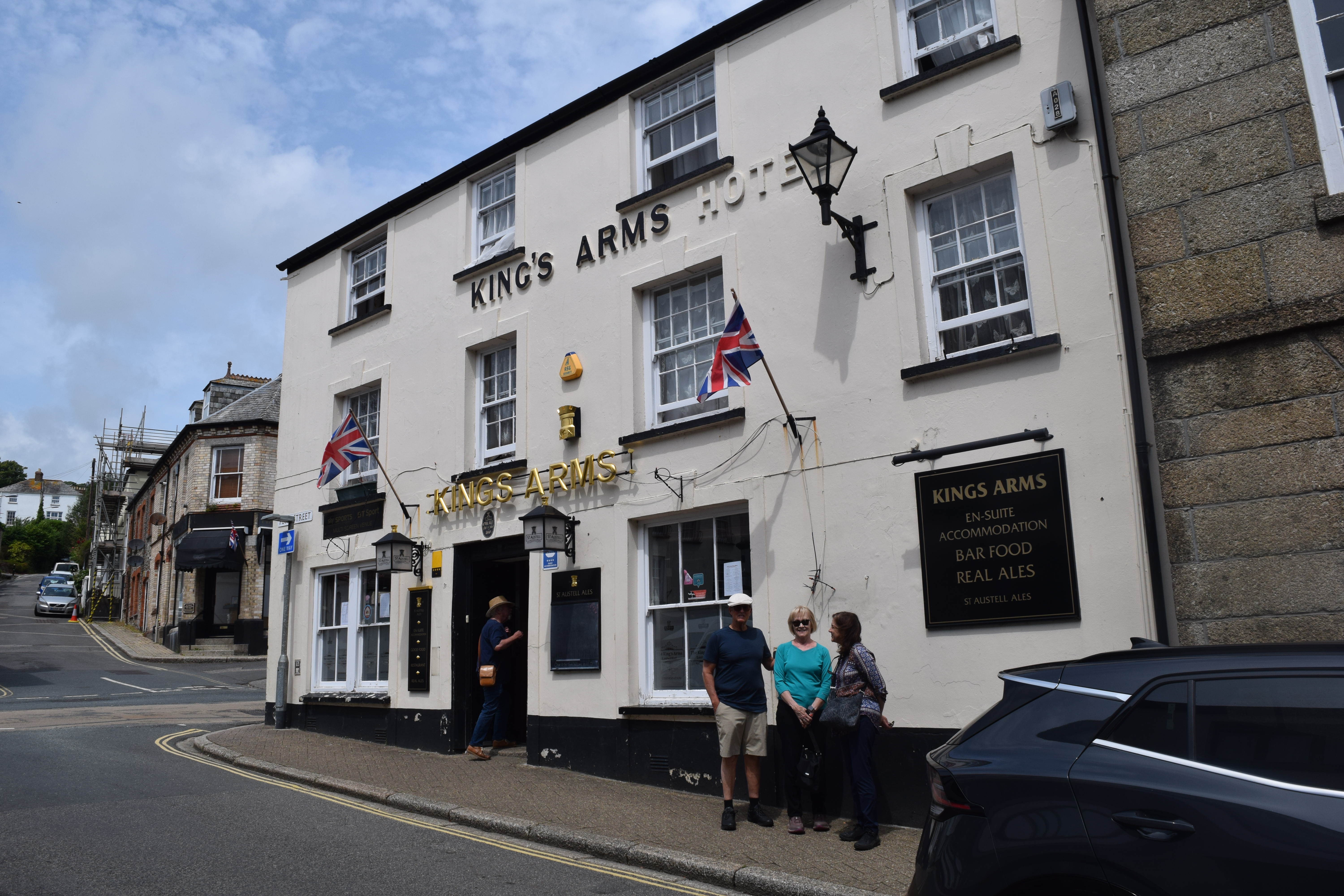
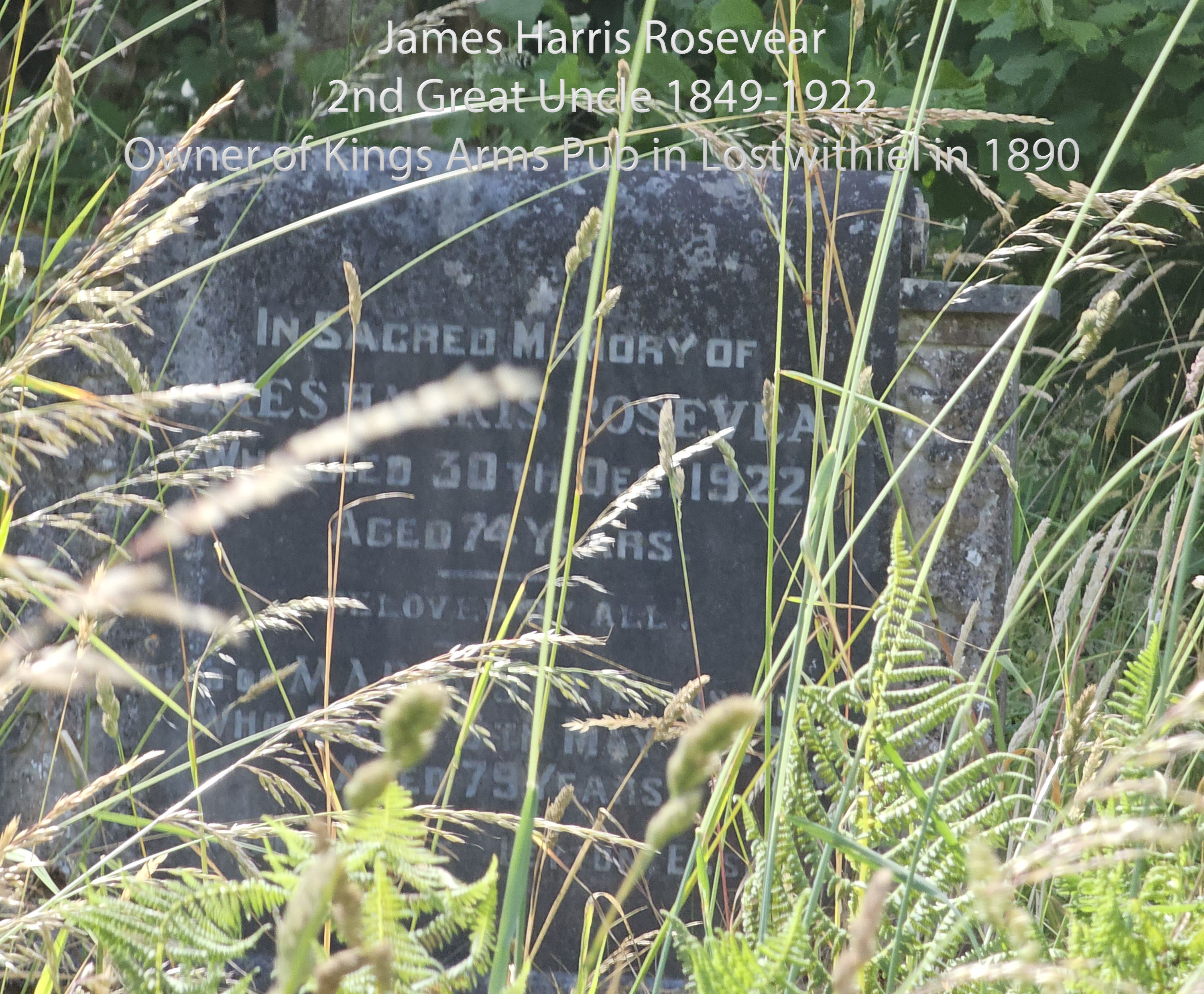
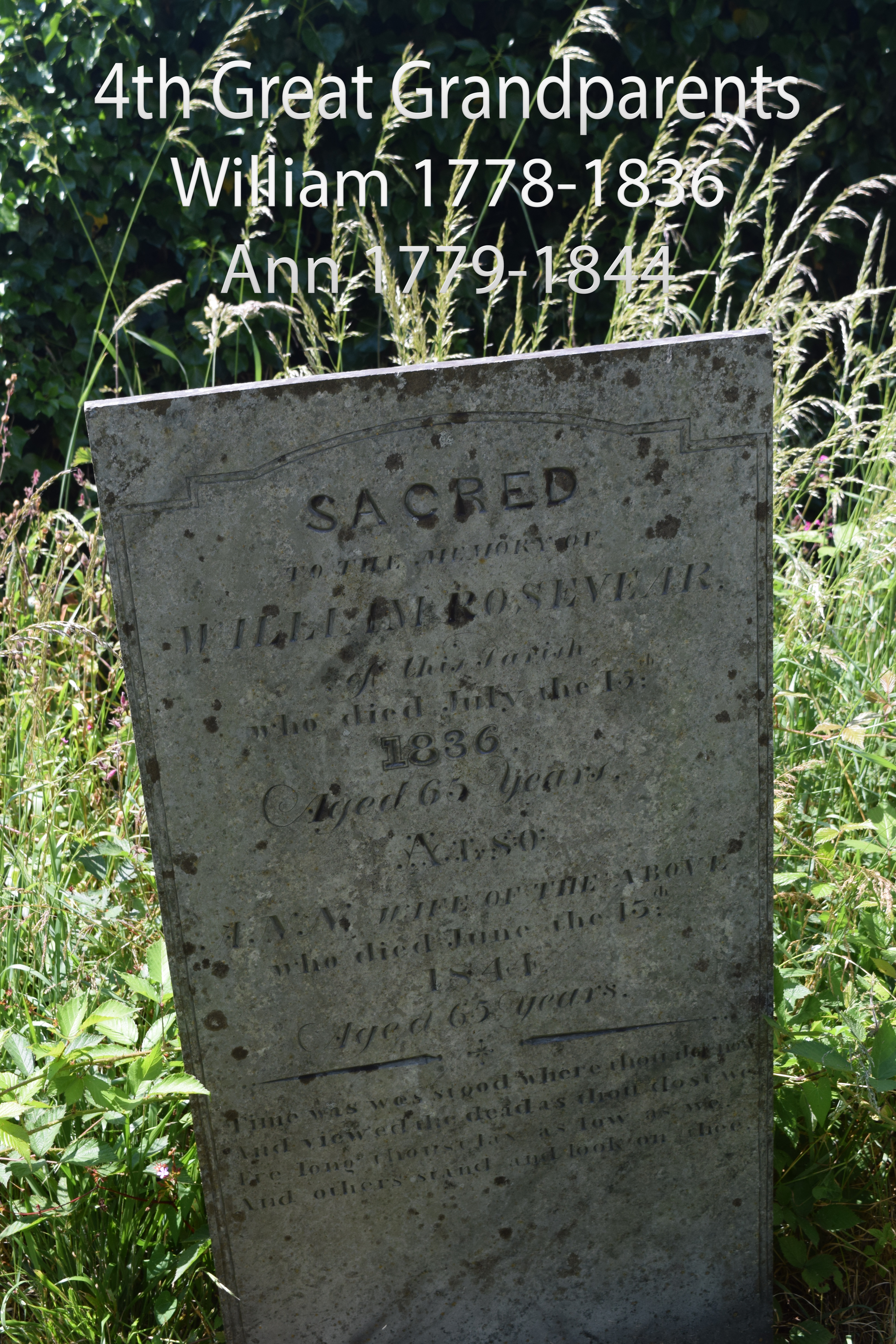
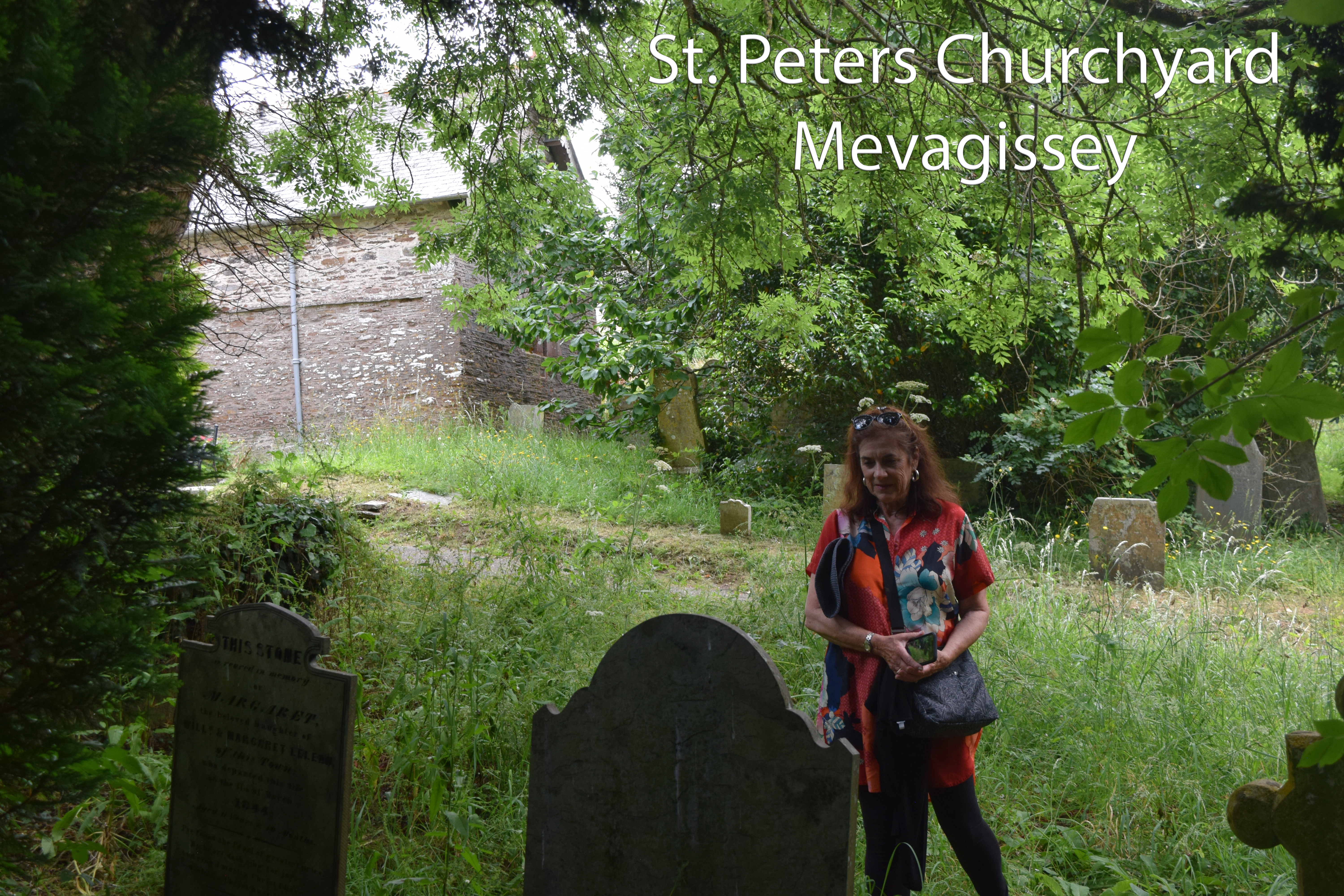
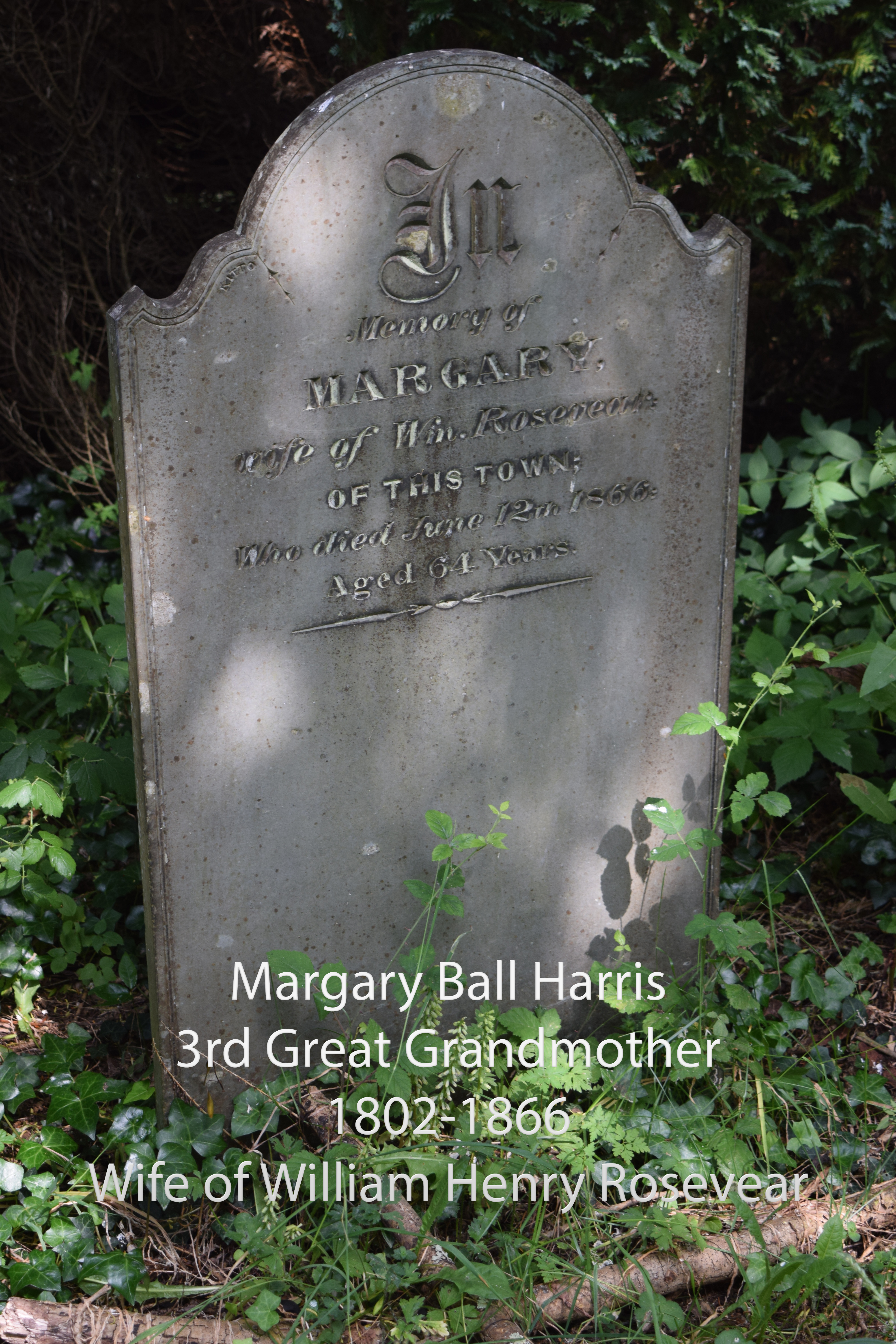
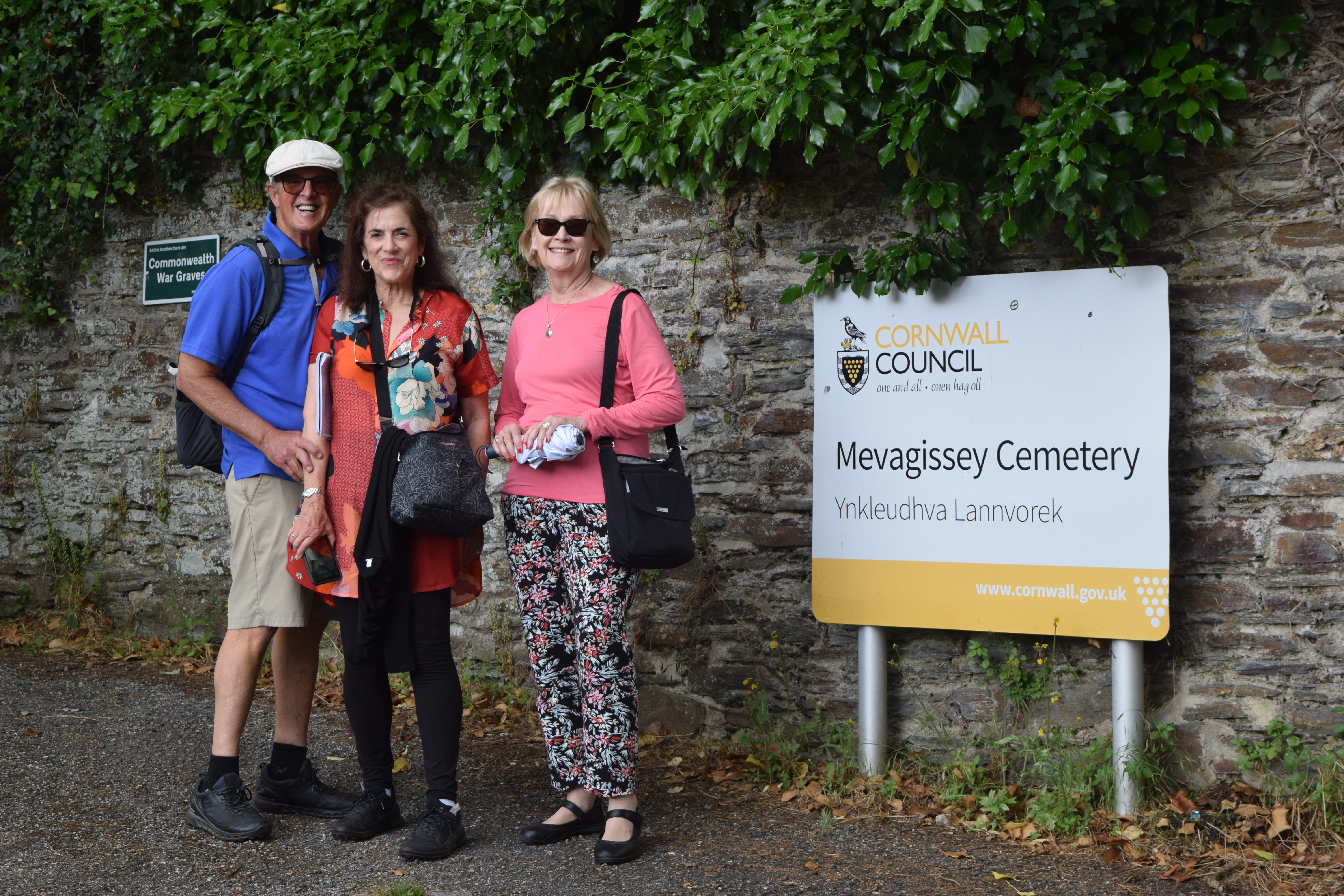
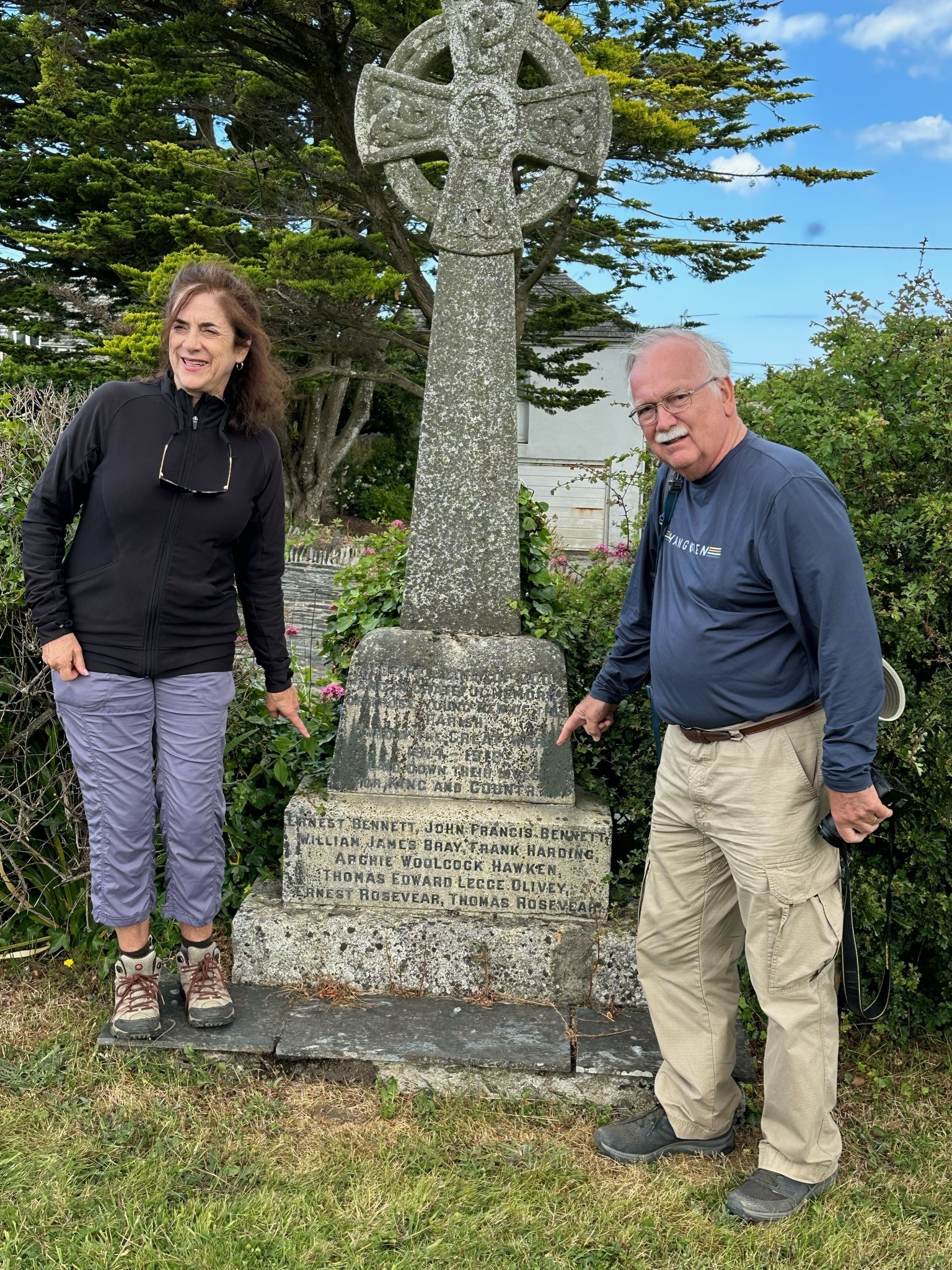
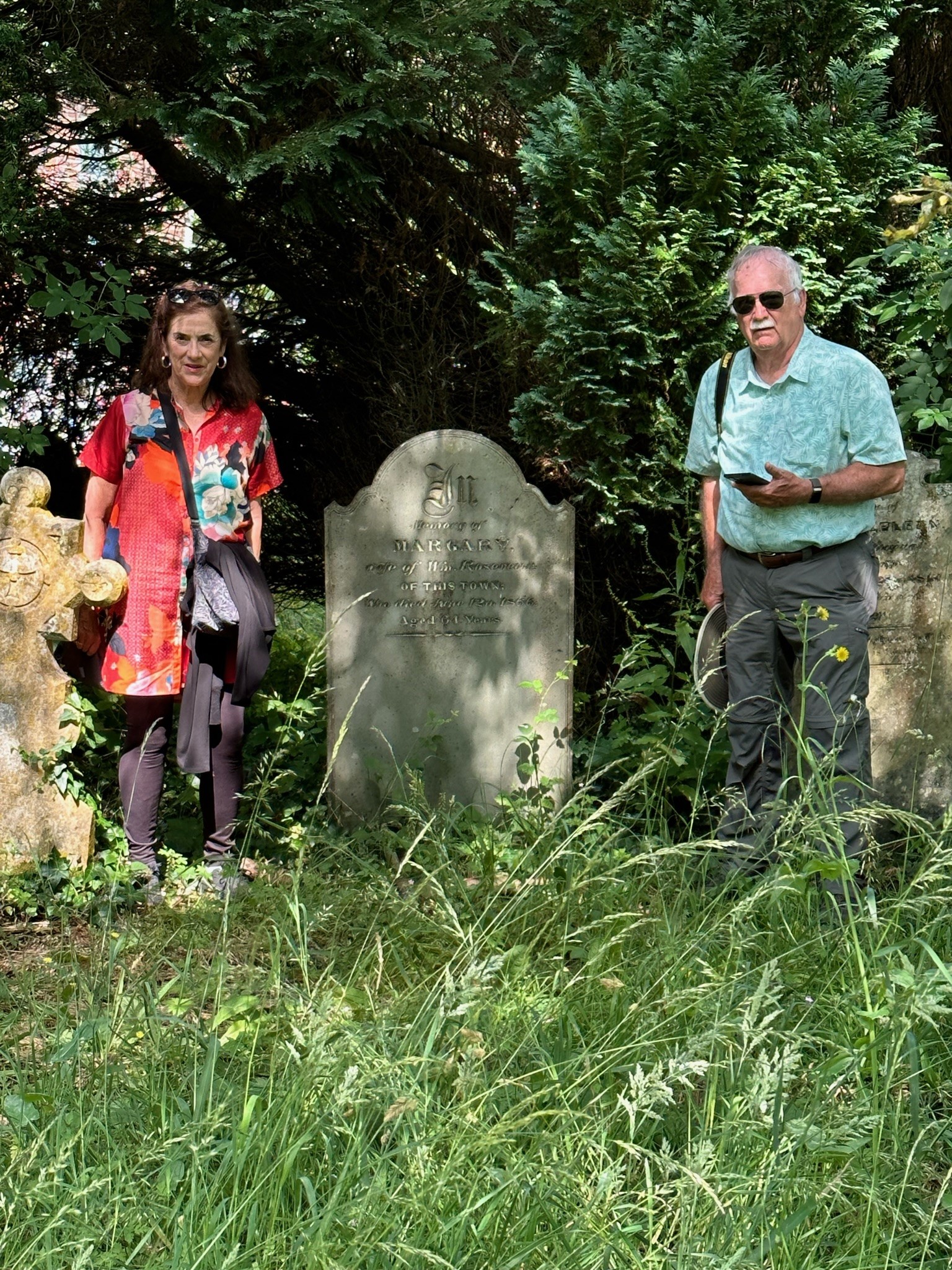
After the organized hiking adventure, which had touched on some of the areas where John and Kathy’s ancestors originated, we stayed a few more days to explore in more detail. We found evidence of our ancestors going back 6 generations to the 18th Century.
Click on any image below to view a slideshow of full-size images.














































 John and Paula's Blog